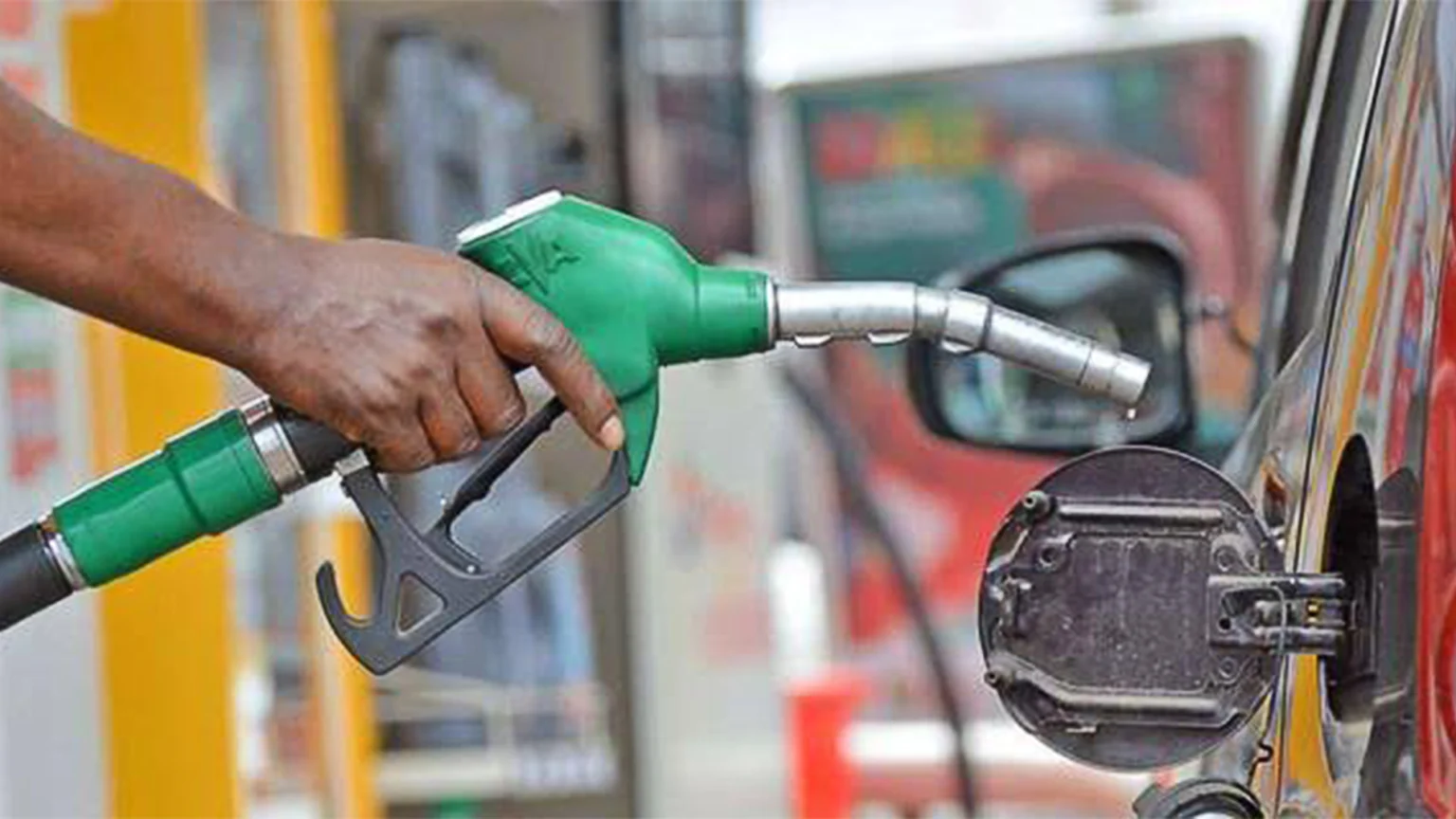
The Federal Government has directed petroleum marketers to ensure petrol prices reflect falling global crude oil prices, warning against using profits from previously purchased expensive fuel inventories to justify higher pump prices.
The warning was issued on Monday during a stakeholders’ meeting on cost-reflective pricing of Premium Motor Spirit at the headquarters of the Nigerian Midstream and Downstream Petroleum Regulatory Authority in Abuja.
The meeting brought together key players in the downstream petroleum sector, including representatives of the Dangote Petroleum Refinery, the Federal Competition and Consumer Protection Commission, major marketers and petroleum retailers.
Petrol prices should follow market trends
Minister of State for Petroleum Resources (Oil), Senator Heineken Lokpobiri, said marketers must distinguish between legitimate replacement costs and temporary gains from inventories acquired when crude oil prices were higher.
He explained that once marketers replenish their stock at lower prices, the savings should be reflected promptly in both ex-depot and retail petrol prices.
According to the minister, passing lower costs to consumers is essential for maintaining a competitive and transparent deregulated market.
He acknowledged that exchange rates, transportation expenses and supply chain costs also influence pricing but insisted that these factors should not be used to justify excessive profits.
Government rejects excessive pricing
Lokpobiri stressed that deregulation was introduced to improve competition and efficiency rather than create opportunities for market distortions.
He warned that keeping petrol prices above prevailing market conditions would undermine public confidence and place unnecessary financial pressure on consumers.
The minister added that the Federal Government remains committed to protecting Nigerians in the post-subsidy era through transparent pricing and fair competition.
He urged operators across the downstream sector to ensure consumers benefit from lower replacement costs without unnecessary delays.
Falling crude oil prices raise expectations
The government noted that international crude oil prices have moderated significantly after recent geopolitical tensions eased.
According to Lokpobiri, crude oil traded between $61 and $65 per barrel in January before rising above $118 per barrel in April during heightened tensions in the Middle East.
However, prices have since fallen to around $71 per barrel.
He said the earlier increase understandably pushed petrol prices higher, but the subsequent decline has not produced a corresponding reduction at filling stations.
The minister pointed out that petrol prices peaked at approximately N1,596 per litre in May and currently average about N1,296 per litre.
Although prices have declined, he maintained that the reduction does not fully reflect improved market conditions.
High petrol prices fuel inflation
Lokpobiri warned that keeping petrol prices artificially high could reverse progress made in reducing inflation.
He explained that energy costs affect transportation, food production, manufacturing and several other sectors of the economy.
According to him, when fuel remains expensive despite declining input costs, businesses transfer the additional burden to consumers through higher prices.
He noted that Nigeria’s inflation rate has fallen from around 34 per cent in 2024 to about 15.9 per cent, adding that sustained reductions in energy costs would help preserve that progress.
The minister therefore urged marketers to support the country’s economic recovery by adopting fair and transparent pricing practices.
NMDPRA ordered to enforce pricing transparency
As part of efforts to improve market accountability, Lokpobiri directed the NMDPRA to intensify surveillance across the downstream petroleum sector.
He instructed the regulator to monitor pricing practices and ensure reductions in replacement costs are quickly reflected in ex-depot and retail prices.
The minister said Nigerians should have confidence that pump prices are determined by genuine market forces rather than anti-competitive practices or information gaps.
He also called for the speedy implementation of the National Strategic Stock, describing it as an important tool for improving energy security and reducing future price volatility.
Industry stakeholders seek practical solutions
Speaking earlier, NMDPRA Chief Executive Rabiu Umar said the meeting was convened to address growing public concerns over fuel pricing despite falling global crude oil prices.
He recalled that a similar engagement involving operators in the domestic gas market recently contributed to noticeable reductions in liquefied petroleum gas prices.
Umar expressed confidence that collaboration between regulators and industry operators could produce similar results in the petrol market.
He stressed that deregulation should balance business sustainability with consumer protection, adding that profitability and affordability are not mutually exclusive.
The meeting later continued behind closed doors, with representatives of major energy marketers, independent marketers, depot operators, transport unions and refinery operators discussing measures to improve pricing transparency.
The Federal Government said it expects marketers to align petrol prices with prevailing market realities, ensuring Nigerian consumers benefit from lower global crude oil prices while preserving competition in the downstream petroleum sector.