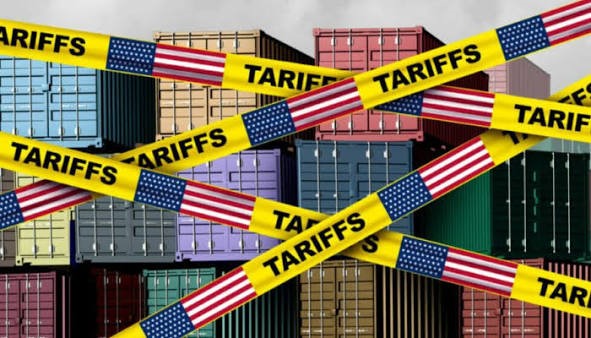
US Tariffs have placed Nigeria among 60 countries facing fresh import duties after the United States introduced a new trade regime aimed at reshaping global commerce. The latest US Tariffs, which took effect on Friday, replace an earlier temporary duty and impose rates ranging from 10 percent to 12.5 percent on imports from targeted economies.
Nigeria falls into the group subjected to the higher 12.5 percent tariff, alongside China, Japan, South Korea, Saudi Arabia, South Africa and dozens of other trading partners. The move forms part of President Donald Trump’s broader strategy to strengthen domestic manufacturing, tighten trade enforcement and reduce reliance on foreign imports.
US Tariffs Affect Nigeria and 59 Other Economies
The new US Tariffs cover 60 economies representing a significant share of America’s international trade. According to the Office of the United States Trade Representative, countries with strong forced labour import restrictions or commitments received the lower 10 percent rate, while others, including Nigeria, face the standard 12.5 percent tariff.
Other countries in the 12.5 percent category include Brazil, Australia, Egypt, Morocco, Israel, Qatar, Kuwait, Singapore, Vietnam, Thailand and Russia.
Major economies such as Canada, India, the United Kingdom and the European Union secured lower rates after meeting specific compliance requirements or reaching trade understandings with Washington.
The policy officially replaces the temporary global tariff introduced earlier this year after legal challenges forced the Trump administration to seek a stronger legal framework for its trade agenda.
Why the US Tariffs Were Introduced
US officials said the latest US Tariffs followed months of investigations into international trade practices. They argued the measures provide stronger legal protection than previous executive actions that were struck down by the courts.
US Trade Representative Jamieson Greer said the new tariffs encourage trading partners to strengthen measures against forced labour while protecting American industries.
He added that the targeted economies account for most of America’s international trade, making the new policy central to Washington’s economic strategy.
The administration believes the revised tariff framework will reduce unfair competition, boost domestic production and increase government revenue.
Countries React to the New US Tariffs
Several governments quickly criticised the US Tariffs, warning they could strain diplomatic and economic ties.
China condemned the decision, saying it opposes unilateral trade restrictions and warned that tariff disputes benefit no country.
Japan expressed regret over the additional duties, while Australia’s trade minister described the measures as unjustified.
The European Union welcomed the final decision after confirming that its negotiated agreement with Washington limited the practical impact of the tariffs on European exports.
Trade analysts expect further diplomatic negotiations as affected countries consider possible responses.
Nigeria May Face Higher Export Costs
For Nigeria, the US Tariffs could increase the cost of exporting selected products to the American market, potentially affecting competitiveness for businesses that depend on US buyers.
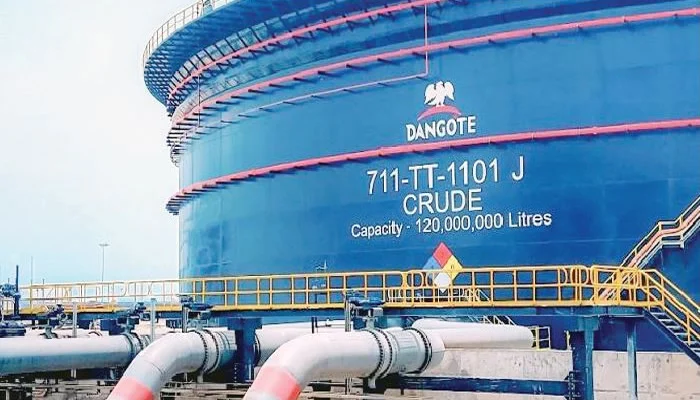
Although Nigeria’s exports to the United States remain concentrated in crude oil and energy-related products, manufacturers and non-oil exporters may experience greater pressure if additional costs reduce demand.
Industry experts believe exporters may need to diversify markets while improving product quality and competitiveness to cushion the impact of the new trade measures.
However, products already covered under separate sector-specific tariffs, including steel and aluminium, will remain under existing arrangements rather than the new tariff schedule.
Certain energy products, fertilisers and goods covered under the United States-Mexico-Canada Agreement also remain exempt.
More Trade Investigations Could Follow
The Trump administration has not ruled out further action beyond the current US Tariffs.
Washington is investigating 16 additional economies over concerns involving industrial overcapacity and trade practices. Those investigations could lead to even higher tariffs or country-specific measures in the coming months.
Trade specialists say the administration deliberately used legal mechanisms that are less vulnerable to court challenges, suggesting the tariffs could remain in force throughout President Trump’s current term.
Analysts also believe the policy gives Washington greater leverage in future trade negotiations by encouraging countries to comply with agreements already reached with the United States.
The latest US Tariffs therefore mark another significant shift in global trade policy. For Nigeria and dozens of affected economies, businesses will now closely monitor whether the new duties reshape export opportunities, investment decisions and international supply chains in the months ahead.