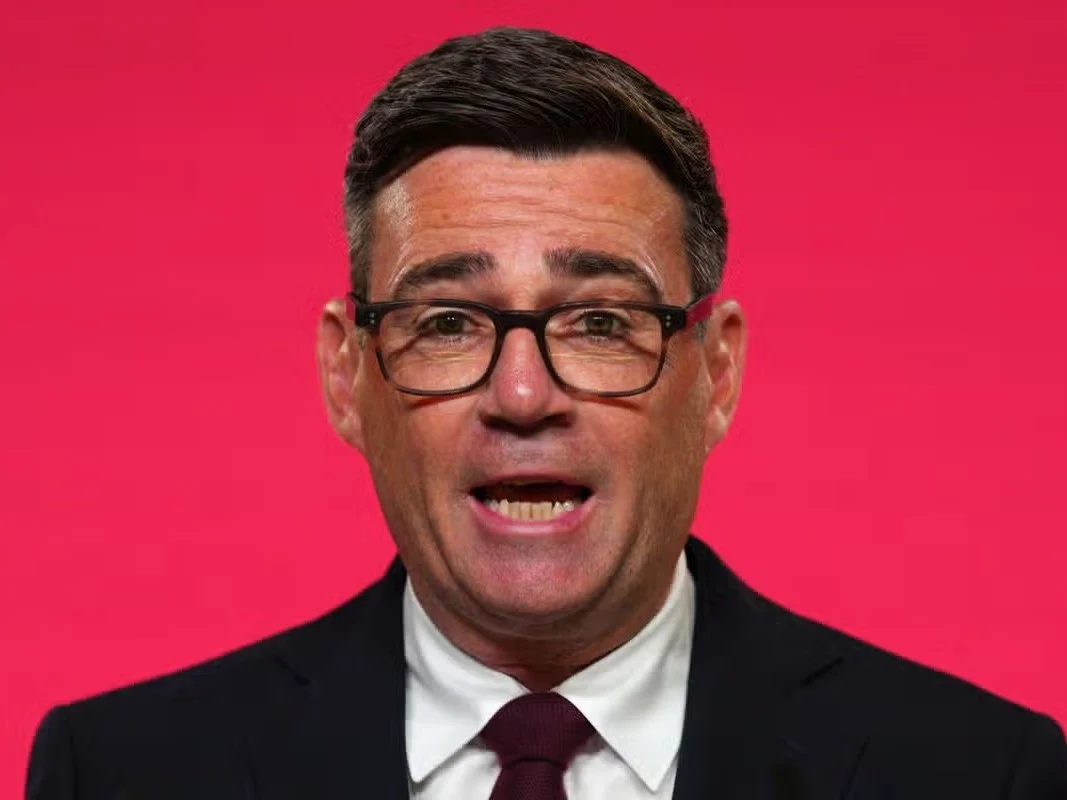
Andy Burnham officially became the United Kingdom’s new prime minister on Monday, taking office with a pledge to revive the economy, restore confidence in government and deliver greater powers to regional communities.
The former Greater Manchester mayor succeeds Keir Starmer after the Labour leader stepped down barely two years into his premiership. Burnham now becomes Britain’s seventh prime minister in just 10 years, inheriting an administration facing economic uncertainty, political pressure and growing public dissatisfaction.
Following an audience with King Charles III at Buckingham Palace, Burnham is expected to unveil his new cabinet before outlining his government’s priorities in his first address outside 10 Downing Street.
Andy Burnham Inherits Major Economic Challenges
Andy Burnham begins his premiership at a difficult moment for Britain’s economy.
The country continues to struggle with sluggish economic growth, rising government borrowing costs and persistent pressure on household incomes caused by the prolonged cost-of-living crisis.
Labour also faces increasing political competition from Nigel Farage’s Reform UK, which has gained momentum by campaigning on immigration and economic concerns.
Burnham’s administration must also navigate the impact of volatile global energy prices, partly driven by tensions arising from the ongoing US-Iran conflict.
Analysts believe these economic pressures will define the success or failure of his government over the coming years.
Labour Turns to Burnham for Political Reset
Labour lawmakers selected Burnham after Keir Starmer resigned following months of political setbacks, internal criticism and declining public approval.
Many party members believe Burnham’s record as Greater Manchester mayor makes him better placed to reconnect Labour with voters beyond London.
His reputation for championing regional development earned him the nickname “King of the North,” reflecting his strong support across northern England.
Party leaders hope his leadership style will help rebuild Labour’s popularity before the next general election, which is expected in 2029.
Deputy Labour leader Lucy Powell described Burnham as a leader capable of delivering bold reforms while understanding the everyday challenges facing ordinary families.
Andy Burnham Pledges to Decentralise Government
A central part of Andy Burnham’s agenda involves transferring more powers from Westminster to regional and local governments.
Burnham argues that local authorities are better positioned to respond to economic and social challenges within their communities.
His administration plans to strengthen regional economies through greater investment, improved infrastructure and expanded decision-making powers for local leaders.
The incoming prime minister has also pledged to increase access to affordable housing, improve job security and create more opportunities for young people.
His team said these measures form part of a broader strategy to rebuild trust between citizens and government.
Cabinet Choices Face Close Scrutiny
Political attention has now shifted to Burnham’s first cabinet appointments.
One of the biggest decisions will be naming a new Chancellor of the Exchequer following Rachel Reeves’ departure.
The appointment will provide an early indication of Burnham’s economic priorities and how he intends to manage Britain’s strained public finances.
Observers expect the new prime minister to combine experienced ministers with emerging Labour figures in an effort to unite the party.
First Policy Decision Signals New Direction
Even before entering Downing Street, Burnham announced the cancellation of the nationwide digital identity programme introduced under the previous government.
The project carried an estimated cost of £1.8 billion over three years.
Burnham said the funding would instead support programmes designed to ease financial pressure on households and improve essential public services.
The move signalled his intention to focus government spending on immediate economic priorities rather than costly long-term initiatives.
Pressure Builds Ahead of Next Election
Despite widespread support within Labour, Andy Burnham faces enormous expectations as he begins his premiership.
Opinion polls suggest Reform UK continues to attract voters frustrated by rising living costs and concerns over immigration.
Burnham has acknowledged that Labour has little room for error, describing his leadership as an opportunity to restore confidence before the next general election.
Political analysts say his success will ultimately depend on whether he can deliver stronger economic growth, improve living standards and convince voters that Labour can provide stable and effective leadership during one of Britain’s most challenging periods in recent history.