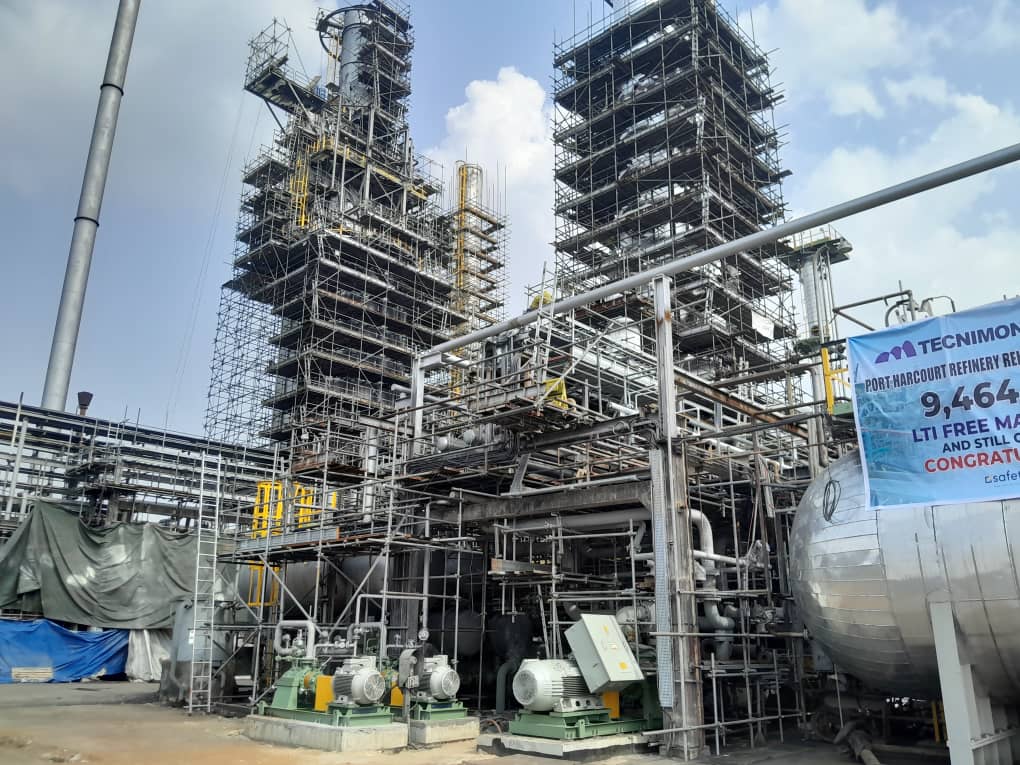
Nigeria gas strategy is moving into a more ambitious phase as the country prepares its 2026 Upstream Petroleum Licensing Round while advancing the Ajaokuta–Kaduna–Kano Gas Pipeline, a project expected to expand the commercial use of natural gas across central and northern Nigeria.
The two developments are closely connected. The licensing round is intended to attract exploration capital, increase reserves and support future production. The AKK pipeline, meanwhile, is designed to create a larger domestic market for gas by connecting producing regions with power plants, industrial centres and major cities.
Together, they represent a possible shift in Nigeria’s petroleum model.
For decades, the country’s energy economy has been defined largely by crude oil exports and government revenue. Natural gas has played an important role, particularly through liquefied natural gas exports and domestic power supply, but much of its industrial potential remains underdeveloped.
The emerging strategy is broader. Instead of treating gas primarily as an export commodity or a by-product of oil production, Nigeria is seeking to use it as a foundation for electricity generation, fertiliser production, petrochemicals, steel, cement, transport and manufacturing.
The Nigerian Upstream Petroleum Regulatory Commission has indicated that the 2026 Licensing Round is expected to begin in the third quarter of 2026 after the required federal approval. The exercise follows the commercial stage of the 2025 bid process and is intended to strengthen investor confidence under the Petroleum Industry Act.
Investor attention is already growing. Meren Energy has publicly expressed interest in reviewing opportunities in the new round, while several international and Nigerian operators are expected to study the acreage once the official block list and commercial terms are released.
The largest economic opportunity, however, may emerge beyond the exploration blocks themselves. If the AKK pipeline becomes fully operational and attracts reliable customers, it could support one of West Africa’s most important industrial energy corridors.
Nigeria Gas Strategy Connects Exploration With Industry
Nigeria’s next licensing round is more than a search for companies willing to drill new wells.
Its wider importance lies in whether the country can link upstream development with the infrastructure and demand required to convert hydrocarbons into productive economic activity.
Nigeria already possesses a substantial resource base.
The challenge has been turning that geological advantage into consistent production, affordable domestic energy, industrial investment and sustainable government revenue.
A successful licensing round should therefore be measured by more than signature bonuses or the number of blocks awarded.
The critical questions are:
- Will winning companies drill?
- Will discoveries move into development?
- Will gas reach domestic customers?
- Will new infrastructure attract manufacturers?
- Will the projects create local supply chains?
- Will government institutions apply regulations consistently?
- Will communities benefit from development?
The Petroleum Industry Act provides the legal framework for the process.
It introduced a clearer separation between upstream regulation and midstream and downstream oversight, while restructuring the former national petroleum corporation into NNPC Limited.
These reforms were intended to make the sector more commercially transparent and attractive to investors.
However, investors will judge the framework by its implementation.
Clear laws are important, but companies also need predictable approvals, reliable contract enforcement, transparent data and commercially workable fiscal terms.
The 2026 round will therefore serve as another test of whether Nigeria can convert regulatory reform into actual capital deployment.
What the 2026 Licensing Round Could Deliver
The 2026 Upstream Petroleum Licensing Round is expected to open in the third quarter, subject to federal approval and the completion of the previous process.
NUPRC is seeking to establish a more regular system of competitive block allocation.
That approach could reduce the uncertainty created when licensing rounds are launched irregularly or remain incomplete for long periods.
Predictability is especially important in oil and gas.
Companies often plan capital expenditure several years ahead and compare projects across multiple countries.
Nigeria is competing for the same investment capital as other African and global petroleum markets.
The geological potential may be strong, but investors will also examine:
- Fiscal stability
- Project costs
- Security
- Infrastructure
- Data quality
- Regulatory speed
- Environmental obligations
- Domestic supply requirements
- Community relations
- Access to export markets
The most attractive blocks are likely to be those with existing discoveries, nearby pipelines or a relatively clear path to commercial production.
Deepwater acreage may appeal to international producers with the technical capacity and balance sheets required for large offshore projects.
Onshore and shallow-water assets may attract Nigerian independents and companies seeking opportunities with shorter development timelines.
Frontier acreage could also generate interest, although those blocks carry greater geological risk.
Meren Energy Provides an Early Signal
Meren Energy has become the first major company publicly associated with possible participation in the 2026 round.
Group Chief Executive Oliver Quinn described Nigeria as the company’s most important African investment destination and highlighted more than $11 billion invested in the country’s upstream sector over approximately two decades.
That expression of interest is valuable for Nigeria because it signals that established operators continue to see long-term opportunity in the market.
It also suggests that recent reforms may be improving the country’s competitiveness.
However, interest should not be confused with a confirmed bid.
Companies normally wait for official data rooms, fiscal conditions, geological information and work obligations before making final investment decisions.
Meren and other prospective bidders will assess whether the available blocks fit their technical expertise, portfolio strategy and return requirements.
Likely Competition From Global and Nigerian Operators
Several companies are likely to review the new round because of their existing presence, acquisition strategies or long-term exposure to Nigeria.
International operators that could evaluate opportunities include:
- Shell
- TotalEnergies
- Chevron
- ExxonMobil
- Eni
Nigerian and Africa-focused companies that may also be well placed include:
- Seplat Energy
- Renaissance Africa Energy
- Oando Energy Resources
- FIRST Exploration & Petroleum Development Company
- Aradel Holdings
- Waltersmith Petroleum
These companies should be described as prospective rather than confirmed bidders unless they formally announce participation.
The likely competition reflects a wider restructuring of Nigeria’s upstream market.
Some international companies have reduced their exposure to mature onshore assets while maintaining interest in offshore projects.
At the same time, Nigerian companies have become larger operators through acquisitions and partnerships.
This has created a more diverse ownership structure.
Domestic companies are no longer limited to minority stakes or service contracts. Several now control significant producing assets and are capable of competing for new acreage.
Why Domestic Gas Development Matters
Nigeria’s long-term economic opportunity does not depend only on increasing oil production.
Natural gas could have a larger structural impact because it can support multiple industries at once.
Gas can be used for:
- Electricity generation
- Fertiliser production
- Petrochemicals
- Steel manufacturing
- Cement production
- Industrial heating
- Commercial cooking
- Compressed natural gas transport
- Liquefied petroleum gas production
- City gas distribution
This makes gas both an energy source and an industrial raw material.
Nigeria’s large population and manufacturing deficit create substantial potential demand.
Many companies currently rely on diesel generators because grid electricity is unreliable.
That raises production costs and reduces competitiveness.
If factories can access dependable pipeline gas, they may be able to lower energy expenses and operate more consistently.
The result could be greater investment, increased output and stronger local production.
The AKK Pipeline as an Industrial Backbone
The Ajaokuta–Kaduna–Kano Gas Pipeline is central to this strategy.
The 614-kilometre project is designed to transport natural gas from Ajaokuta through Abuja and Kaduna to Kano.
Its planned capacity is approximately 2 billion standard cubic feet per day.
The pipeline is expected to support power generation and industrial activity across several important markets.
Ajaokuta has long been associated with Nigeria’s steel ambitions.
Abuja is the federal capital and a major commercial and population centre.
Kaduna has an established manufacturing base and strategic location.
Kano is one of northern Nigeria’s largest commercial and industrial cities.
Connecting these areas to a large gas system could alter the region’s investment profile.
The pipeline may encourage companies to build factories closer to northern consumer and agricultural markets.
It could also reduce dependence on transporting finished products from southern industrial centres.
However, the main pipeline is only the beginning.
Its commercial success will depend on smaller distribution networks, customer connections, metering systems, compression facilities and long-term gas purchase agreements.
Without those elements, a completed pipeline could remain underutilised.
Gas Distribution Could Become the Next Major Opportunity
The AKK project could create a new market for gas-distribution companies.
Large transmission pipelines move gas across long distances, but individual factories and commercial users still need last-mile connections.
That requires lateral pipelines and city gas networks.
Companies with experience in gas marketing and infrastructure may compete for future opportunities along the corridor.
Potential participants could include:
- NNPC Gas Marketing Limited
- Nigerian Gas Infrastructure Company
- Axxela Limited
- Shell Nigeria Gas
- NIPCO Gas
- HCGDBL and other regional developers
Any company described as a likely participant should still be treated as a prospective contender unless a formal award or agreement has been announced.
Possible commercial structures may include:
- Distribution concessions
- Public-private partnerships
- Joint ventures
- Build-own-operate projects
- Long-term transportation agreements
- Dedicated industrial supply systems
- City gas franchises
The regulatory framework will need to define how companies access the main pipeline and how tariffs are calculated.
Transparent third-party access could encourage competition and reduce the risk of a single operator controlling customer connections.
CNG Could Extend Gas Beyond the Pipeline
Compressed natural gas could become one of the fastest-growing segments around the AKK corridor.
Not every customer will be located close enough to justify a permanent pipeline connection.
CNG allows gas to be compressed, transported by road and delivered to users through what is often described as a virtual pipeline.
This model can serve:
- Industrial estates
- Commercial fleets
- Public transport
- Logistics companies
- Remote factories
- Small power plants
Opportunities could emerge in:
- Compression stations
- Mother stations
- Daughter stations
- Vehicle-conversion centres
- Storage systems
- Transport trailers
- Maintenance facilities
- Fleet-supply contracts
CNG could also support Nigeria’s effort to reduce dependence on petrol and diesel in transport.
However, adoption will depend on vehicle-conversion costs, station availability, safety regulation and stable fuel pricing.
Power Generation Could Become a Major Gas Customer
Gas-fired electricity generation is likely to be one of the largest potential sources of demand.
Nigeria has substantial installed generation capacity, but actual electricity supply remains constrained by gas shortages, transmission problems, payment weaknesses and operational failures.
The AKK corridor could support new or existing power plants near Abuja, Kaduna, Kano and Ajaokuta.
Reliable gas supply could improve plant utilisation.
Yet pipeline completion alone will not solve the power-sector challenge.
Gas producers need creditworthy buyers.
Power generators need reliable payments from the electricity market.
Transmission networks must be able to carry the power.
Tariffs must support the cost of production.
The commercial chain includes:
- Gas producer
- Pipeline operator
- Power generator
- Transmission system
- Electricity distributor
- Final customer
A failure at any stage can disrupt the entire system.
For investors, gas-to-power projects will therefore require strong contractual structures and realistic assumptions about payment risk.
Fertiliser and Petrochemicals Could Expand
Natural gas is essential to the production of ammonia and urea fertiliser.
Nigeria has a large agricultural economy and continues to import or transport fertiliser over long distances to reach northern farming areas.
The AKK corridor could support new fertiliser projects closer to agricultural markets.
This may reduce transportation costs and improve availability.
Petrochemical production could also expand.
Gas components can be processed into materials used in:
- Plastics
- Packaging
- Chemicals
- Textiles
- Pharmaceuticals
- Construction products
- Consumer goods
These industries create more value than the simple export of raw hydrocarbons.
They can also generate skilled employment and supplier opportunities.
However, large petrochemical projects require significant capital, reliable feedstock and access to markets.
Steel and Cement Could Benefit From Lower Energy Costs
Steel and cement are among the most energy-intensive industries.
Nigeria imports significant quantities of industrial products while local producers face high electricity and fuel costs.
Pipeline gas could improve the economics of domestic production.
The Ajaokuta area is particularly important because of its long association with Nigeria’s steel industry.
Reliable gas could support power and heating requirements for steel facilities.
Cement plants could also benefit from lower and more predictable fuel costs.
The broader opportunity lies in using domestic gas to support construction materials required for housing, roads, industrial projects and urban growth.
Still, energy is only one part of industrial competitiveness.
Factories also require:
- Efficient management
- Modern equipment
- Working capital
- Transport infrastructure
- Skilled labour
- Reliable regulation
- Access to customers
The pipeline can improve the investment environment, but it cannot compensate for every operational weakness.
How Northern Nigeria Could Change
The AKK corridor could reshape northern Nigeria’s economic geography.
The region has a large population and strong agricultural and commercial activity, but industrial development has often been constrained by electricity shortages and high transport costs.
Reliable gas could support the creation or expansion of industrial clusters.
These clusters may include:
- Fertiliser factories
- Food-processing plants
- Steel and metal industries
- Cement production
- Textiles
- Glass manufacturing
- Chemical plants
- Warehousing
- Logistics hubs
- Power generation
Industrial parks could be especially important.
Connecting one large industrial zone to gas may be more economical than building separate pipelines to many isolated factories.
Companies within the park can share:
- Gas distribution
- Electricity
- Water
- Waste management
- Security
- Transport access
- Maintenance services
This reduces infrastructure costs and can make investment more attractive.
Kano could be one of the largest beneficiaries because of its historical role as a manufacturing and trading centre.
Kaduna also has an established industrial base.
Abuja’s growing population and commercial activity could support electricity and city gas demand.
The Role of Gas in Nigeria’s Energy Transition
Nigeria presents natural gas as a transition fuel that can support development while the country expands renewable energy.
This position reflects the country’s economic reality.
Millions of people still lack reliable electricity, and businesses depend heavily on diesel generators.
Replacing diesel and fuel oil with gas could reduce some forms of pollution and lower energy costs.
Gas can also support flexible power generation that complements solar and other renewable sources.
However, natural gas is still a fossil fuel.
Its environmental case depends on controlling methane emissions and reducing routine flaring.
Methane is a powerful greenhouse gas.
Leaks during production, processing and transportation can undermine the emissions advantage of gas.
Nigeria will therefore need stronger systems for:
- Methane detection
- Pipeline monitoring
- Flare reduction
- Maintenance
- Measurement
- Environmental reporting
- Emergency response
Gas infrastructure should be developed alongside renewable power rather than being treated as a substitute for long-term clean-energy investment.
Impact on Upstream Investors
For oil and gas companies, the 2026 round offers access to one of Africa’s most established petroleum provinces.
Nigeria has experienced operators, service companies, ports, export infrastructure and a large technical workforce.
It also has a significant domestic market.
That combination creates several potential routes to revenue.
Oil can be exported.
Gas can be sold to domestic industries, power generators, export facilities or distribution networks.
However, investors must account for major risks.
Security and Asset Protection
Onshore and shallow-water operations have faced theft, vandalism and sabotage.
Companies may need significant security and surveillance spending.
Project Delays
Regulatory approvals, contracting disputes and infrastructure problems can extend project timelines.
Currency Exposure
Projects may have dollar-denominated costs while earning some revenue in naira.
Exchange-rate movements can affect returns.
Domestic Payment Risk
Industrial and power customers may struggle to meet contractual payment obligations.
Infrastructure Access
Projects may depend on third-party pipelines or processing facilities.
The terms of access can influence commercial viability.
Environmental Obligations
Global investors face increasing pressure to control emissions and demonstrate responsible operations.
Projects with high flaring or methane intensity may find it harder to secure financing.
Impact on Nigerian Companies
The licensing round and gas corridor could create substantial opportunities for Nigerian businesses.
Upstream companies may acquire acreage or partner with larger operators.
Service companies could provide:
- Drilling
- Engineering
- Marine logistics
- Fabrication
- Pipeline construction
- Environmental services
- Security
- Equipment maintenance
- Data analysis
- Workforce training
Midstream and downstream firms could develop gas-processing, transmission and distribution projects.
Manufacturers could gain access to more reliable energy.
Banks and investment firms may finance infrastructure and industrial developments.
Professional-services firms could support contracts, taxation, regulation and project structuring.
The opportunity could therefore extend across the economy rather than remaining concentrated in petroleum production.
Impact on Government Revenue
A successful licensing round could generate government revenue through:
- Signature bonuses
- Royalties
- Taxes
- Profit-sharing arrangements
- Licence fees
- Production income
However, immediate revenue should not become the only objective.
A high signature bonus may attract a company that later struggles to finance development.
The government could earn more over time by selecting operators capable of bringing assets into production quickly.
Domestic gas utilisation could also broaden the tax base.
New factories, logistics companies and power projects can create employment and corporate income beyond the oil sector.
That is one reason the AKK corridor could be more economically important than a conventional export project.
Policy Conditions Needed for Success
The investment opportunity will depend on several policy conditions.
Transparent Licensing
Bidding criteria should be public and consistently applied.
Investors need equal access to data and clear deadlines.
Competitive Gas Pricing
Gas prices must support production and pipeline investment while remaining affordable for industrial users.
Artificially low prices may discourage supply.
Excessively high prices may prevent manufacturers from switching fuels.
Reliable Contract Enforcement
Long-term projects depend on enforceable agreements.
Investors need confidence that contracts will survive changes in leadership or policy.
Regulatory Coordination
Upstream, midstream and downstream projects may require approvals from different institutions.
Poor coordination can delay investment.
Third-Party Infrastructure Access
Independent producers and distributors should be able to access pipelines on transparent terms where capacity exists.
Local-Content Development
Nigerian companies and workers should participate meaningfully without creating requirements that make projects commercially unviable.
Community Engagement
Host communities should be involved early.
Unresolved land, environmental or compensation disputes can delay projects and increase security risk.
Why Execution Matters More Than Announcements
Nigeria has announced several ambitious infrastructure and energy projects over the years.
Some have delivered important results.
Others have faced delays, cost increases or underutilisation.
The AKK pipeline will be judged by actual gas flow, not construction percentages.
The licensing round will be judged by drilling and production, not the number of licences issued.
A meaningful evaluation should focus on:
- First gas
- Volume transported
- Number of connected customers
- Industrial projects commissioned
- Wells drilled
- Production added
- Jobs created
- Government revenue collected
- Emissions reduced
- Local companies participating
These outcomes will determine whether the programme changes Nigeria’s economy.
What Comes Next
Several milestones will shape the next phase.
Official Launch of the 2026 Round
NUPRC is expected to release the acreage list, bid rules and timetable.
Confirmation of Bidders
Companies will begin announcing interest after reviewing the official terms.
Conclusion of the 2025 Process
The handling of the previous round will influence confidence in the 2026 exercise.
AKK Commissioning
Investors will watch for pipeline testing, first gas and operational certification.
Customer Connections
Industrial and power customers must sign contracts and complete last-mile infrastructure.
New Gas Distribution Projects
Concessions or partnerships may be developed around Abuja, Kaduna, Kano and Ajaokuta.
Industrial Investment Decisions
The strongest proof of the corridor’s value will be new factories and power projects reaching financial close.
Expert Analysis
Nigeria’s latest energy push is important because it attempts to solve a longstanding structural problem.
The country has abundant hydrocarbons but insufficient industrial energy.
For years, crude oil exports generated foreign exchange while domestic companies struggled with electricity shortages and expensive fuel.
The combination of the 2026 Licensing Round and AKK pipeline creates an opportunity to change that relationship.
New upstream investment could increase gas supply.
The pipeline could move that gas into underserved markets.
Industrial users could convert it into electricity, fertiliser, steel, cement and chemicals.
That is a more complete value chain than exporting raw hydrocarbons alone.
However, the strategy depends on coordination.
Upstream producers will not develop gas without customers.
Manufacturers will not invest without reliable supply.
Pipeline companies will not expand without contracted volumes.
Banks will not finance projects without dependable cash flows.
Government institutions must therefore align licensing, pricing, infrastructure and industrial policy.
The most important risk is underutilisation.
A major pipeline can be physically complete but commercially weak if customers are not connected.
The strongest approach would secure large anchor users before full commissioning.
Power plants, fertiliser factories and industrial parks can provide the base demand required to support smaller customers later.
Nigeria’s advantage is the size of its market.
Few African countries combine a large population, major gas reserves, existing industrial centres and extensive unmet energy demand.
If regulation and execution improve, that scale could support a major investment cycle.
The country’s energy future will not be determined only by how much oil and gas it produces.
It will be determined by how effectively it uses those resources to build competitive industries.
Frequently Asked Questions
What is the Nigeria 2026 Upstream Licensing Round?
It is a planned competitive process through which Nigeria will offer oil and gas acreage to qualified investors.
The exercise is expected to begin in the third quarter of 2026, subject to final approval.
Why is the licensing round important?
It could attract exploration capital, increase reserves and support future production.
It may also encourage the development of gas resources for domestic industry.
What is the AKK pipeline?
The Ajaokuta–Kaduna–Kano pipeline is a 614-kilometre natural gas transmission project linking Ajaokuta with Abuja, Kaduna and Kano.
How much gas can the AKK pipeline carry?
The project is designed to transport approximately 2 billion standard cubic feet of gas per day.
Which industries could benefit?
Potential beneficiaries include power generation, fertiliser, petrochemicals, steel, cement, transport and manufacturing.
Which companies may participate in the licensing round?
Meren Energy has publicly expressed interest. Other international and Nigerian companies may evaluate opportunities, but should not be treated as confirmed bidders until they make formal announcements.
What are the main risks?
Key risks include project delays, security problems, weak payment systems, regulatory uncertainty, gas-pricing disputes and insufficient customer connections.
Conclusion
Nigeria gas strategy is beginning to link upstream petroleum development with a broader industrial agenda.
The 2026 Licensing Round could draw new capital into exploration and production, while the AKK pipeline could provide the infrastructure needed to deliver natural gas to major markets in central and northern Nigeria.
The investment potential extends beyond oil companies.
Gas distributors, engineering contractors, power developers, transport firms, manufacturers and financial institutions could all participate in the emerging value chain.
The opportunity is especially important for northern Nigeria, where unreliable energy has constrained industrial development.
A functioning gas corridor could lower costs, support factories and encourage new investment around Abuja, Kaduna, Kano and Ajaokuta.
Yet the strategy will succeed only if Nigeria moves beyond announcements.
Licences must result in drilling.
Pipelines must carry gas.
Factories must connect.
Customers must pay.
Regulators must provide stable and transparent rules.
If those conditions are met, Nigeria could establish one of Africa’s most important integrated energy markets, using natural gas not only to support production and exports but also to power a new generation of industrial growth.
-ALEX RICHARDSON