Nigeria Secures Second Tranche of AfDB Budget Loan
The African Development Bank (AfDB) has confirmed plans to release $500 million in budget support to Nigeria in 2025. This funding forms part of a $1 billion program aimed at strengthening the country’s fiscal stability and supporting its ongoing economic reforms. The new disbursement follows a $500 million release in 2024 under the same program.
Nigeria initially requested $1.5 billion in total support to bridge its financing gap and accelerate reform momentum. Although the AfDB agreed to a $1 billion facility, the bank has tied the funds to policy performance and reform milestones. Officials from the bank have praised Nigeria’s policy direction under President Bola Tinubu, citing significant structural adjustments made since 2023.
Reforms Underpinning the Loan Agreement
President Tinubu’s government has launched a series of bold economic reforms designed to stabilize the macroeconomy and rebuild investor trust. Key measures include:
- Fuel subsidy removal, freeing up fiscal space for infrastructure and social investment.
- Exchange rate unification, aimed at eliminating multiple FX windows and attracting foreign capital.
- Tax reforms, focused on expanding the revenue base and reducing dependency on oil income.
These reforms, though challenging, have demonstrated Nigeria’s commitment to restructuring its economy for long-term sustainability. AfDB President Akinwumi Adesina has described the reforms as “a necessary foundation for inclusive growth,” adding that the bank remains ready to support credible policy action.
Targeted Areas for AfDB Support
The new tranche will primarily fund:
- Fiscal consolidation programs, including enhanced revenue collection and expenditure efficiency.
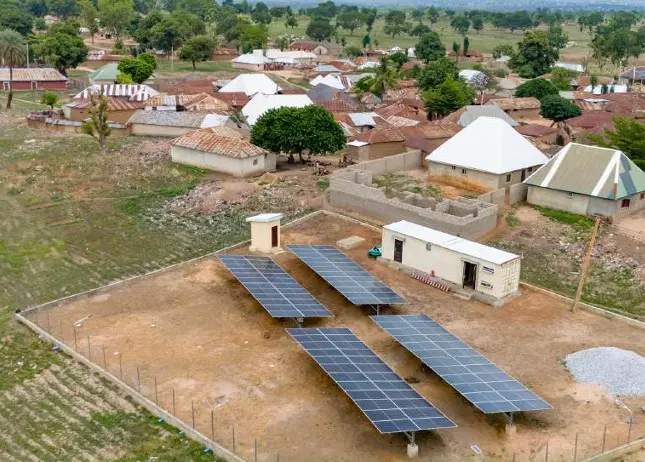
- Power sector reforms, to stabilize electricity supply and reduce subsidy leakages.
- Governance improvements, ensuring greater accountability in public spending.
By channeling funds into these critical sectors, AfDB aims to boost Nigeria’s resilience, improve service delivery, and lay groundwork for private sector participation.
Officials at Nigeria’s Ministry of Finance say the funds will also provide breathing room to avoid excessive domestic borrowing, which often crowds out private credit and pushes interest rates higher.
Opportunities and Risks of AfDB Support
Easing Fiscal Pressure and Strengthening Stability
Once released, the $500 million will immediately expand fiscal space, enabling the government to cover priority expenditures and service existing obligations without resorting to high-interest loans. This relief could help Nigeria sustain essential programs in education, healthcare, and infrastructure while maintaining debt sustainability.
Finance Minister Wale Edun noted that AfDB’s support validates the government’s reform track. He emphasized that Nigeria intends to deploy the funds efficiently, ensuring measurable economic impact and visible public benefits.
Conditionalities and Accountability
However, AfDB’s financing is not unconditional. The bank expects Nigeria to:
- Maintain fiscal discipline and adhere to budgetary targets.
- Continue implementing structural reforms to diversify revenue.
- Strengthen transparency and governance, particularly in public finance management.
Failure to meet these conditions could delay further assistance or dampen investor confidence. The AfDB’s approach ensures that funds are used productively and that reforms produce tangible results.
To maintain credibility, Nigeria must publish regular performance reviews and audit reports demonstrating how the loan supports macroeconomic objectives.
Balancing External Support with Self-Reliance
While international loans offer short-term relief, Nigeria must avoid long-term dependency. Relying too heavily on external assistance can mask underlying weaknesses, such as poor tax compliance or inefficient public spending. Economists warn that only robust domestic revenue mobilization and effective cost control can ensure lasting fiscal health.
The government has pledged to strengthen its non-oil revenue base through improved tax administration, digital compliance tools, and new levies on high-value goods. If implemented well, these measures will gradually reduce Nigeria’s need for budget support.
Debt Servicing and Exchange Rate Concerns
Every loan carries repayment obligations. If Nigeria’s economic growth slows or inflation accelerates, debt servicing could strain public finances. Furthermore, fluctuations in the naira’s exchange rate may inflate repayment costs when converted from local currency.
To mitigate risks, Nigeria’s Debt Management Office (DMO) is expected to adopt a medium-term debt strategy emphasizing concessional borrowing, longer maturities, and hedging instruments against currency shocks.
Reform Success Will Define Long-Term Impact
The AfDB’s support represents a vote of confidence in Nigeria’s policy trajectory, but the ultimate outcome depends on consistent reform implementation.
If fiscal consolidation succeeds, Nigeria could experience:
- Lower inflation
- More stable exchange rates
- Increased investor inflows
- Improved credit ratings
Conversely, policy reversals or delays could erode these gains and reignite fiscal pressures. The real test lies in how effectively the government converts loan proceeds into growth-enhancing outcomes and whether it builds capacity to fund its budget independently.
Conclusion: A Partnership for Stability and Growth
The $500 million AfDB loan underscores a strategic partnership between Nigeria and one of Africa’s leading development institutions. The facility offers immediate budgetary relief and strong policy incentives, encouraging Nigeria to sustain difficult but necessary reforms.
By maintaining fiscal discipline, strengthening institutions, and investing wisely, Nigeria can transform this loan into a catalyst for lasting stability rather than a temporary fix. As reforms deepen, the country’s reliance on external support should diminish, paving the way for self-sustained growth driven by domestic revenue and private investment.