The African Development Bank (AfDB) will lend $500 million to Nigeria in 2025 as part of a $1 billion budget support program. The loan aims to strengthen fiscal reforms initiated by President Bola Tinubu’s administration.
Nigeria originally sought $1.5 billion, but the AfDB approved a two-year program:
- $500 million disbursed in 2024
- $500 million planned for 2025
According to Reuters, the second tranche will be finalized before the end of 2025.
Purpose of the Loan
The funding will:
- Stabilize public finances
- Close budget deficits
- Support energy and infrastructure reforms
AfDB executives emphasized that timely disbursement will help Nigeria sustain economic reforms and improve fiscal stability.
Tinubu’s Economic Reforms
Since taking office, President Tinubu has introduced major reforms:
- Removed fuel subsidies
- Unified multiple foreign exchange windows
- Enhanced tax collection systems
These measures aim to boost investor confidence, increase revenue, and promote long-term growth.
Focus on the Power Sector
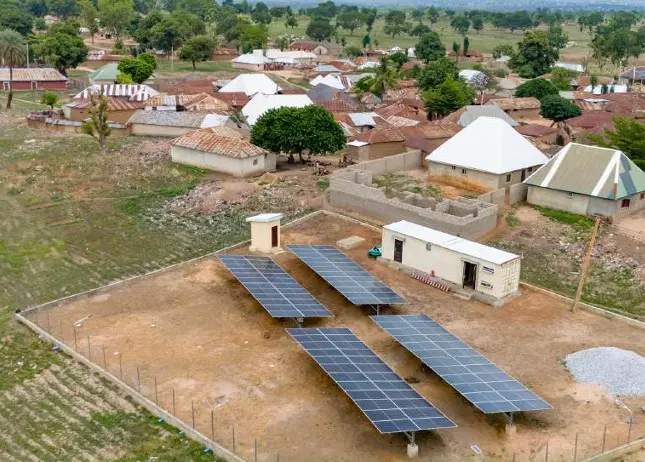
AfDB identified electricity reform as a key priority. Nigeria’s poor power supply continues to hinder productivity and business growth.
The government plans to use part of the loan to:
- Clear legacy debts
- Upgrade transmission networks
- Encourage private investment in power generation
Transparency and Accountability Needed
Past financial support often faced corruption and slow execution. Analysts urge the government to adopt strict monitoring, transparent reporting, and independent audits to ensure proper use of funds.
Efficient Use of Funds
Experts believe Nigeria’s economic stability will depend on how effectively the funds are applied.
Well-managed spending could:
- Bridge financing gaps
- Reduce short-term borrowing
- Stabilize inflation and foreign reserves
To achieve this, the government should create a robust oversight framework involving civil society and parliamentary committees.
Energy Sector Priorities
In the power sector, the loan should focus on:
- Modernizing transmission lines
- Reducing system losses
- Paying outstanding debts to power producers
A stable electricity supply will cut business costs and improve productivity.
Infrastructure Investment
On the fiscal side, part of the funds should support capital projects such as:
- Roads and railways
- Ports and logistics hubs
These projects can generate jobs and stimulate growth. Officials must avoid using funds for consumption subsidies or non-productive expenses.
Improving Revenue and Debt Management
To maintain debt sustainability, Nigeria should continue expanding non-oil revenues:
- Broaden the tax base
- Improve VAT and excise duty collection
- Strengthen customs systems
Diversified income streams reduce exposure to oil price volatility.
AfDB Oversight
AfDB will conduct regular performance reviews. Continued disbursements will depend on Nigeria’s progress in:
- Meeting fiscal targets
- Reducing inefficiencies
- Enhancing power supply
Meeting these benchmarks could unlock future funding.
A Potential Turning Point
If well executed, the AfDB loan could become a milestone in Nigeria’s economic reform path.
But mismanagement or delays could weaken credibility and waste the opportunity.
Observers and investors will monitor outcomes closely, viewing this program as a test of Nigeria’s commitment to sustainable reform.