In a significant shake-up of Nigeria’s military leadership, President Bola Ahmed Tinubu has replaced several top security officials. The changes include the Chief of Defence Staff, Chief of Army Staff, Chief of Air Staff, and Chief of Naval Staff. This move comes just days after the government publicly denied rumors of a coup plot. These rumors had been fueled by reports of the arrest of several military officers in September.
Analysts view this shake-up as both a response to ongoing security challenges and a preemptive measure to ensure stability within the armed forces. The appointments also signal a renewed focus on tackling Nigeria’s complex security threats, ranging from insurgency to separatist movements.
Key Appointments and Changes
The new leadership of Nigeria’s military is as follows:
- Chief of Defence Staff: General Olufemi Oluyede, who previously served as Chief of Army Staff.
- Chief of Army Staff: Major-General W. Shaibu.
- Chief of Air Staff: Air Vice Marshal S.K. Aneke.
- Chief of Naval Staff: Rear Admiral I. Abbas.
Notably, Major-General E.A.P. Undiendeye retains his role as Chief of Defence Intelligence. This continuity aims to maintain intelligence operations during the leadership transition.
These appointments are expected to strengthen Nigeria’s national security architecture. They also come at a critical time when the country faces escalating threats across multiple regions.
Context of the Shake-Up
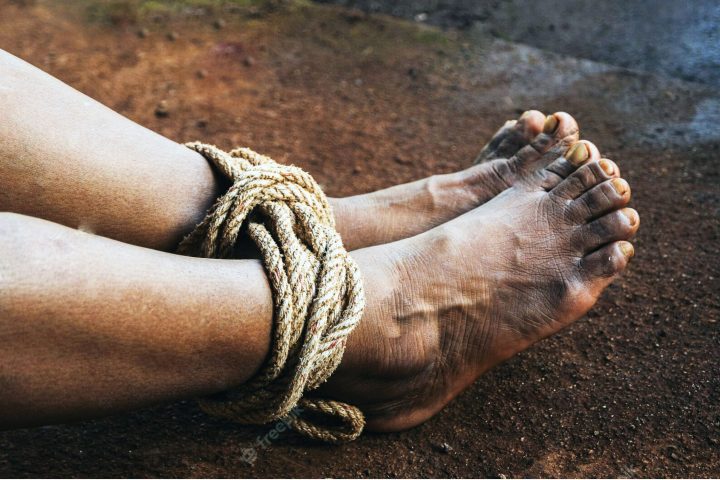
Nigeria has been grappling with escalating security concerns, particularly in the northern states. Islamist insurgencies, such as Boko Haram and its splinter factions, continue to destabilize communities. Meanwhile, armed banditry and kidnappings have surged in the northwest. Separatist unrest in the southeast has further complicated the security landscape.
In recent months, there have been numerous reports of insurgents overrunning military outposts and attacking civilians. Such incidents have raised fears of a resurgence of Boko Haram-style violence. Consequently, the government faces pressure to reassure citizens and restore confidence in national security.
Earlier this week, the Nigerian Defence Headquarters denied rumors of a coup attempt. Reports had suggested that at least 20 military officers, including a brigadier general and a colonel, were arrested in September. Despite the denial, these rumors have sparked speculation regarding internal military tensions. Some analysts suggest that the reshuffle could be a preventive measure to maintain loyalty and discipline within the armed forces.
Government’s Response to the Changes
President Tinubu, through his Special Adviser on Media and Public Communication, Sunday Dare, expressed appreciation for the outgoing service chiefs. He lauded their dedication, patriotism, and years of service to the nation.
Furthermore, the President called on the newly appointed leaders to demonstrate professionalism, vigilance, and unity. He emphasized that their mandate extends beyond internal security; they are expected to address broader threats, including insurgency, banditry, and other national security challenges.
The administration’s official statement also highlights that these changes are part of a broader effort to rejuvenate the military. By bringing in new leadership, the government hopes to foster innovation in military operations and ensure operational efficiency across all branches of the armed forces.
Political and Public Reactions
The reshuffle has sparked mixed reactions across Nigeria. Some citizens and analysts view it as a necessary step to strengthen security and restore public confidence. They argue that new leadership may inject fresh energy and strategic thinking into military operations.
On the other hand, critics question the timing and underlying motives of the changes. Many point out the apparent contradiction between the government denying a coup attempt and subsequently replacing top military officials. Some interpret this as a sign of internal instability, with the administration potentially prioritizing regime protection over tackling broader security threats.
Political commentators also note that Nigeria’s history of military interventions in governance has created an environment of heightened sensitivity. As such, any major changes in military leadership are often scrutinized for political as well as strategic implications.
Regional Implications
Nigeria’s military reshuffle occurs in a broader West African context. The region has experienced multiple coups and political unrest in recent years. Countries such as Mali, Burkina Faso, and Niger have all witnessed military takeovers.
These events have heightened concerns about the fragility of democratic institutions in the region. Nigeria, as West Africa’s largest economy, plays a critical role in regional stability. Therefore, leadership changes in its armed forces are closely watched not only within the country but also across neighboring states and international partners.
Experts suggest that by reinforcing military leadership, Nigeria may be aiming to prevent domestic unrest from escalating into regional instability. Moreover, the changes signal to both citizens and international observers that the government remains committed to civilian governance while maintaining a robust security posture.
Security Challenges Facing Nigeria
The country continues to face several complex and interconnected security issues:
- Insurgency in the Northeast: Boko Haram and its affiliates remain active, conducting attacks on both civilian and military targets.
- Banditry in the Northwest: Kidnappings, armed robbery, and violent clashes have increased, affecting thousands of households.
- Separatist Activities in the Southeast: Groups advocating for independence or autonomy have engaged in protests and occasional violent incidents.
- Intercommunal Conflicts: Competition over land, resources, and local political power has occasionally escalated into armed clashes.
Addressing these challenges requires coordination between military leadership, intelligence agencies, law enforcement, and local authorities. The newly appointed service chiefs are expected to prioritize operational reforms and enhance coordination across security agencies.
International and Diplomatic Reactions
International partners, including the United States, the United Kingdom, and the African Union, have closely monitored Nigeria’s military developments. While they welcome efforts to strengthen national security, there is also concern about transparency and adherence to democratic norms.
Diplomatic observers note that maintaining civilian oversight of the military is crucial for sustaining regional confidence. Moreover, they emphasize the importance of integrating military reforms with broader governance initiatives to ensure long-term stability.
Conclusion
President Tinubu’s decision to replace top security officials marks a pivotal moment for Nigeria. The reshuffle underscores the government’s commitment to addressing pressing security concerns. At the same time, it highlights the delicate balance between maintaining military loyalty and addressing public expectations for safety.
The effectiveness of the new leadership will be closely monitored in the coming months. Analysts will assess whether these appointments lead to tangible improvements in combating insurgency, banditry, and separatist unrest. Furthermore, the changes will serve as a test of Nigeria’s democratic resilience and institutional strength amid regional challenges.
Ultimately, Nigeria’s path forward depends on the ability of its military leaders to implement strategic reforms while fostering public trust. As the nation navigates internal and external threats, this reshuffle may either reinforce stability or reveal deeper structural challenges within its armed forces.