Introduction
Nigeria faces a dual challenge: it must accelerate climate action while still pursuing economic growth and energy security. Over recent years, the government has begun pivoting its climate strategy — at home and abroad — from passive compliance to active leadership. These changes reflect evolving domestic needs, global climate diplomacy shifts, and Nigeria’s desire to position itself as a key voice for Africa.
The Domestic Policy Shift
Legal and institutional foundations
In 2021, Nigeria passed the Climate Change Act 2021 which lays down the legal architecture for climate action — including a National Climate Change Action Plan and a five-year “carbon budget”.
The Act also establishes the National Council on Climate Change (NCCC) and the Climate Change Fund.
New policy frameworks
Nigeria has rolled out several key policy documents:
- The Energy Transition Plan (ETP) targeting sectors like power, transport, oil & gas and cooking.
- Updated total climate commitments under the United Nations process (the “NDC 3.0”) pledging emission reductions by 2030/2035.
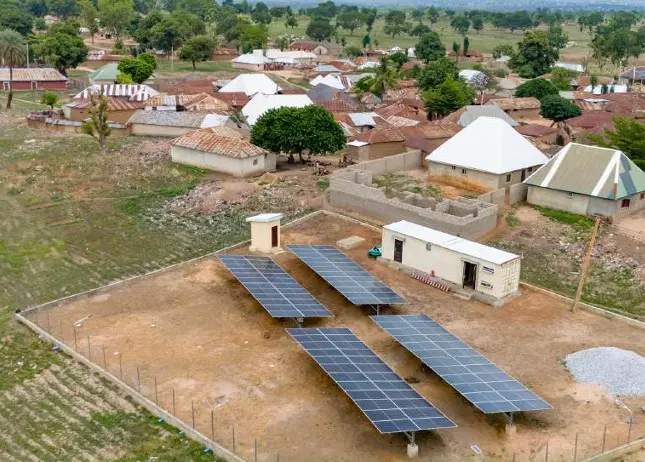
- Sector-specific initiatives such as phasing out routine gas flaring by 2030 and expanding renewables.
Adaptation and resilience focus
Beyond mitigation, Nigeria is embracing adaptation and resilience. For example, its Ministry of Environment emphasises ecosystem restoration, nature-based solutions, urban green spaces, and clean cooking policies.
The north of Nigeria continuing desertification, erratic rainfall and flooding means adaptation must be central—not just reducing carbon emissions.
Financial & governance reforms
Nigeria is working to align financial regulation and business practices with climate goals. For instance, it introduced deadlines for companies to adopt climate-related disclosures and reporting standards, signalling how domestic governance is also shifting.
However, analysts note institutional fragmentation and overlapping mandates remain a challenge. Multiple offices and councils now claim climate coordination duties, making policy integration harder.
Diplomatic and Global Engagement
Africa-led diplomacy
Nigeria is stepping up as an African climate leader. At the Second Africa Climate Summit in Addis Ababa (Sept 2025), Nigeria reaffirmed its vision for a fair and just energy transition for Africa, linking climate justice with development.
It is positioning itself not only as a recipient of climate finance but also as a voice for Africa’s developmental realities.
Engagement with BRICS, EU & global partners
In July 2025, Nigeria’s Foreign Affairs Minister urged the BRICS group to deepen climate financing for the Global South, arguing that climate action must support growth in developing countries.
Simultaneously, cooperation with the European Union was deepened via the Nigeria Climate Change Response Programme (NCCRP)—which concluded in 2025—and produced key governance and MRV (measurement, reporting, verification) frameworks.
Green diplomacy and continental collaboration
Nigeria’s Vice President participated in tree-planting initiatives in Ethiopia and advanced Nigeria’s “green diplomacy” posture.
By aligning domestic action with diplomatic signalling, Nigeria seeks to fashion itself as both implementer and ambassador of climate action in the African context.
Linking Policy, Diplomacy & Development
One of the most notable features of Nigeria’s climate transformation is the attempt to link climate policy with development priorities. While previously climate action was framed as an external obligation, the new rhetoric emphasizes coherence with economic growth.
For example:
- The Energy Transition Plan ties decarbonisation to economic competitiveness and energy access.
- The ministry’s remarks identify climate action as affecting health, livelihoods, and urban quality of life—not just the environment.
- Diplomatic messages stress that developing countries like Nigeria must pursue both growth and climate responsibility.
This alignment is crucial in a country facing enormous development pressures: rising population, urbanisation, energy insecurity and infrastructure deficits.
Challenges & Risks
Institutional complexity
The policy surfacing of multiple overlapping climate bodies has hindered clarity. New offices such as the Office of the Special Presidential Envoy on Climate (OSPEC) compete with older institutions like the NCCC, leading to fragmented governance.
Rationalising and streamlining climate governance remains a pressing task.
Financing and investment
While Nigeria has ambitious targets, delivering them requires large flows of investment. The 2030 & 2035 reduction pledges are meaningful but hinge on billions of dollars in financing.
Accessing climate finance, engaging private sector, and de-risking climate projects will test Nigeria’s capacity.
Fossil-fuel reliance
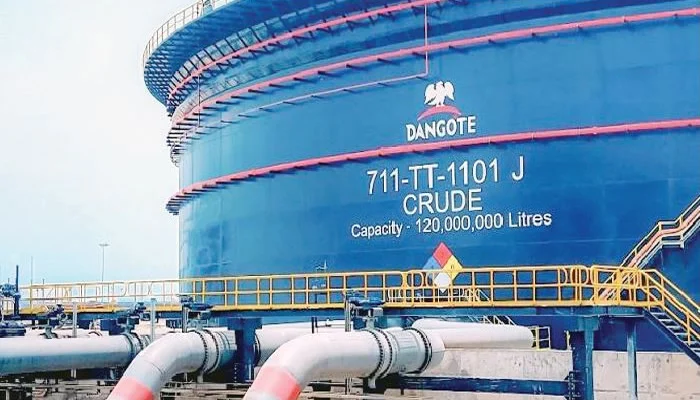
Nigeria remains heavily reliant on oil & gas exports for revenue. The 《Petroleum Industry Act 2021》 and related policies have not yet fully aligned with the broader climate goals. Analysts warn this gap may undermine credibility.
Managing the transition for fossil-fuel workers, communities and institutions will be essential for a “just transition”.
Exposure to climate impacts
Despite its low per-capita emissions, Nigeria is highly vulnerable to climate hazards: coastal erosion, flooding, desertification and heat stress. For example, in Lagos an indigenous coastal community experienced devastating sea-level intrusion.
Such realities make adaptation urgent; failure could undermine development and stability.
Key Opportunity Areas
Carbon markets & green investment
Nigeria’s announcement of a carbon-market activation policy (potentially unlocking billions for investment) shows the country is moving from commitment toward enabling environments.
By establishing frameworks for green bonds, MRV systems, climate disclosures and investment platforms, Nigeria can attract international green capital.
Nature-based solutions and restoration
Restoring ecosystems, expanding green urban infrastructure, and promoting sustainable transport are clearly part of Nigeria’s agenda. The northern agricultural resilience project ACReSAL is one example.
These interventions serve both climate and development goals.
Regional leadership on climate justice
Nigeria’s push into BRICS, Africa Climate Summit frameworks, and continental diplomacy reflect its ambition to lead on climate justice for Africa. This is a strategic move: by advancing Africa’s voice, Nigeria enhances its international standing and leverage for climate finance.
Private sector engagement and governance reform
With new mandates for ESG reporting and climate disclosure, Nigeria is paving the way for private-sector climate engagement. The business participation in climate investment and green growth will be crucial for scaling change.
What to Watch Next
- Will Nigeria’s updated NDC (Nationally Determined Contribution) be accepted and backed by adequate financing tools by September 2025?
- Will the petroleum sector policies be realigned to fit the climate goals — especially given oil & gas remain key to fiscal health?
- Can Nigeria attract private-public climate finance at the scale required? The investment flow will determine whether ambition becomes action.
- Will climate diplomacy produce tangible benefits for Nigeria and Africa-wide? The domestic implementation of international signalling remains the test.
- How will adaptation efforts protect the most vulnerable communities — especially in coastal zones, semi-arid north and urban slums?
- Will institutional reform succeed in creating a coherent climate governance architecture — or will fragmentation persist and hinder outcomes?
Conclusion
Nigeria’s climate agenda is entering a new phase. The country is shifting from compliance to proactive leadership — domestically aligning climate and development priorities and internationally projecting its voice on Africa’s behalf. The policies are more ambitious, the diplomacy more assertive, and the framing more integrated with national growth.
Nevertheless, significant hurdles remain: delivering financing, reforming institutions, reconciling fossil-fuel legacy with climate ambition, and adapting to harsh climate realities. Success will require aligning policy, investment and governance in ways that match the scope of the challenge.
If Nigeria gets this right, it stands to not only transform its own economy and environment but also to lead on climate action for the region — demonstrating that countries in the Global South can pursue growth, equity and sustainability in tandem.
In essence: Nigeria is no longer just a bystander in global climate talks. It is seeking to become a shaper. And how effectively it executes its internal agenda and international posture will define its role in the climate era.