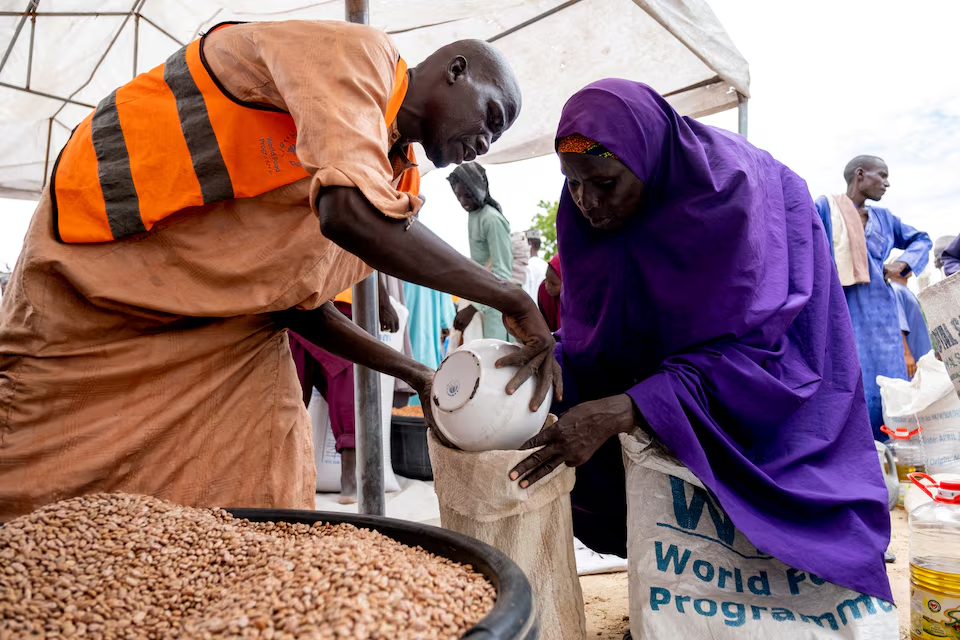
The United Nations warns that nearly 35 million Nigerians face a severe risk of hunger this year. This figure includes 3 million children threatened by acute malnutrition. The crisis follows a catastrophic collapse in global humanitarian aid budgets. UN officials declared the traditional foreign-led aid model unsustainable. Consequently, the risk of hunger is escalating dramatically across the nation. The UN can now only target aid to 2.5 million people, a sharp reduction from previous years. Therefore, millions will be left without essential support. The situation is particularly dire in the conflict-ravished northeast, where violence is intensifying.
Scale of the Crisis and Shrinking Aid Response
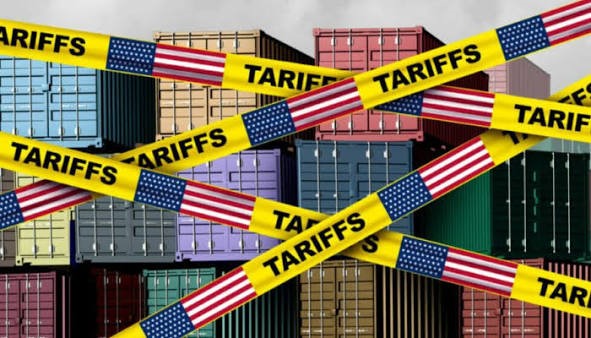
The UN’s 2026 humanitarian plan reveals a staggering gap between needs and resources. Officials launched the plan in Abuja with a dire assessment. Nearly 35 million people now confront a severe risk of hunger. The UN’s response capacity has shrunk drastically due to funding shortfalls. This year, the organization aims to deliver only $516 million in lifesaving aid. This funding will reach just 2.5 million people. In contrast, the UN assisted 3.6 million people in 2025, which was already half the previous year’s level. This downward trend highlights a broken international funding model.
Conflict and Violence in the Northeast
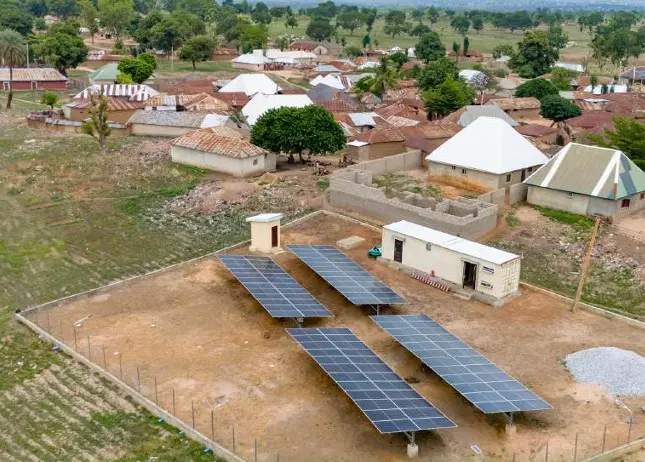
Conditions in Nigeria’s northeast are deteriorating rapidly. Civilians in Borno, Adamawa, and Yobe states endure rising violence. A surge in suicide bombings and widespread attacks killed over 4,000 people in the first eight months of 2025 alone. This death toll matched the total for all of 2023. The ongoing conflict disrupts farming, markets, and aid delivery. It also displaces families, making them entirely dependent on external support. As violence increases, the risk of hunger multiplies for trapped and displaced populations. The UN emphasizes these numbers represent lives and futures, not mere statistics.
Impact on Children and Previous Warnings
Children are bearing the brunt of this crisis. Three million face severe, life-threatening malnutrition. Last year, the World Food Programme issued a stark warning. Its resources ran out in December, forcing cuts to support for over 300,000 children. This year’s funding collapse means similar cuts will affect far more people. Malnutrition in early childhood causes irreversible physical and cognitive damage. Therefore, the current funding failure threatens an entire generation’s future. The UN now says it must focus only on “the most lifesaving” interventions, meaning many vulnerable groups will be excluded.
Shifting Aid Model and National Ownership
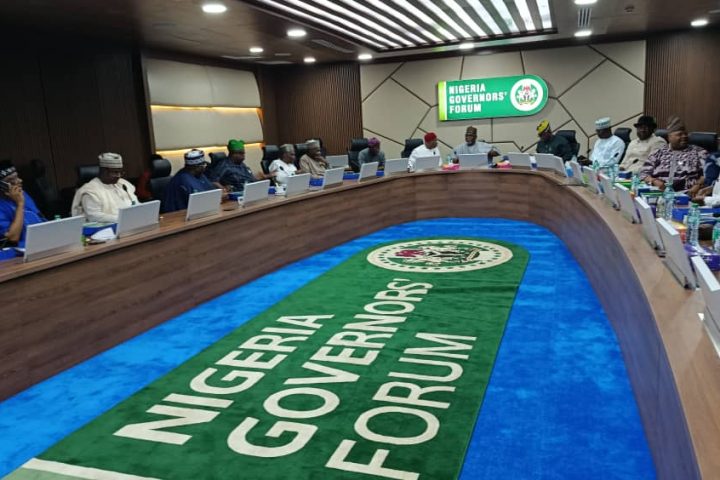
The UN acknowledges the old aid model has failed. Resident Coordinator Mohamed Malick Fall stated the foreign-led approach is no longer sustainable. He noted Nigeria’s needs have grown while global willingness to fund has shrunk. However, he highlighted signs of growing national ownership of the crisis response. The Nigerian government has provided local funding for lean-season food support. It has also taken early-warning action on flooding. This shift is necessary but insufficient to cover the massive deficit. International support remains critical to prevent famine.
Global Context and Donor Fatigue
The crisis in Nigeria reflects a broader global trend of donor fatigue. Multiple protracted crises worldwide are competing for limited funds. Conflicts in other regions and economic pressures in donor countries have shrunk aid budgets. The result is a brutal prioritization where some crises are effectively abandoned. Nigeria, despite its enormous population and severe needs, is losing the funding battle. The UN’s stark announcement is a final plea to the international community. Without an urgent injection of funds, mass starvation appears inevitable.
Potential Consequences and Call to Action
The consequences of inaction are almost unimaginable. Widespread hunger will lead to increased mortality, especially among children and the elderly. It could also fuel further social unrest and displacement, destabilizing the region. The UN’s plan is a minimal holding action, not a solution. It requires immediate and substantial donor contributions to be successful. The Nigerian government must also intensify its efforts and potentially reallocate domestic resources. Ultimately, preventing catastrophe demands a concerted global response that has so far failed to materialize.
The UN’s warning places a stark spotlight on a looming catastrophe. Thirty-five million Nigerians stand on the brink due to a collapsed aid system. The drastic reduction in help comes as conflict and need intensify. While Nigeria shows signs of stepping up, its capacity cannot match the scale of the crisis. The international community faces a moral test. Will it allow one of the world’s most populous nations to slide into famine? The time for action is vanishingly short. The risk of hunger is now a clear and present danger for millions.