ABUJA, Nigeria — October 24, 2025 — In a major restructuring of Nigeria’s military leadership, President Bola Ahmed Tinubu has appointed new service chiefs across all branches of the armed forces. This decision comes amid escalating security challenges and follows recent reports of a foiled coup attempt within the military. Consequently, analysts believe the changes aim to reinforce military loyalty while addressing growing threats to national security.
Key Appointments
President Tinubu’s recent appointments include:
- Chief of Defence Staff: Lieutenant General Olufemi Oluyede, formerly Chief of Army Staff.
- Chief of Army Staff: Major-General W. Shaibu.
- Chief of Air Staff: Air Vice Marshal S.K. Aneke.
- Chief of Naval Staff: Rear Admiral I. Abbas.
Notably, Major-General E.A.P. Undiendeye retains his position as Chief of Defence Intelligence. These appointments are designed to strengthen operational effectiveness and restore confidence within the armed forces. Furthermore, the continuity in the Defence Intelligence role ensures stability in intelligence operations during the transition.
Context of the Shake-Up
The leadership reshuffle follows reports of a foiled coup attempt, which led to the arrest of 16 senior military officers earlier this month. Despite government statements denying the coup rumors, public concern has persisted. Analysts argue that these changes serve to consolidate command loyalty. Moreover, the appointments may address internal discontent within military ranks.
In addition, the shake-up occurs against the backdrop of heightened insecurity in various parts of Nigeria. Therefore, it is seen as a strategic move to bolster leadership at a critical time. Experts suggest that proactive changes in top military posts may prevent further instability and reinforce discipline across all service branches.
Security Challenges Facing Nigeria
Nigeria continues to grapple with multiple, interconnected security issues, which include:
- Islamist Insurgencies: Groups such as Boko Haram and its splinter factions remain active, particularly in the northeast. They frequently target both military personnel and civilian communities. Consequently, regional security has deteriorated, prompting urgent calls for effective military responses.
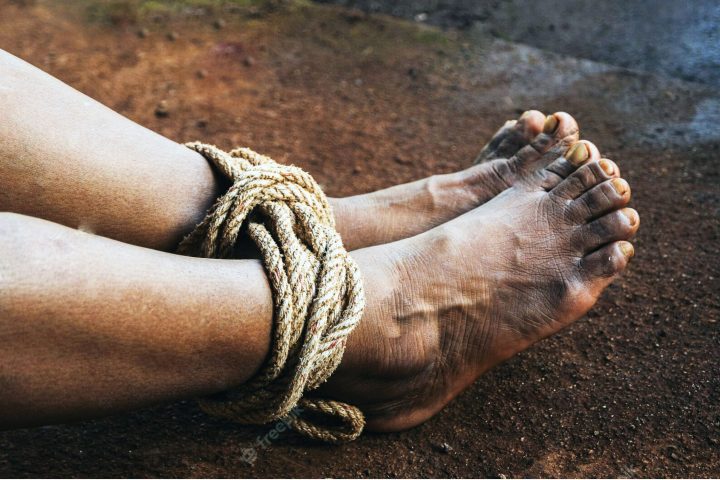
- Banditry: Armed groups in the northwest continue to conduct kidnappings, robberies, and violent attacks against civilians. Furthermore, clashes between bandits and local security forces have escalated, affecting thousands of households.
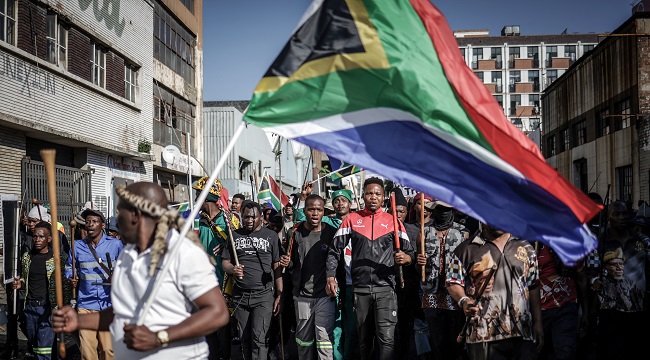
- Separatist Movements: In the southeast, protests and demands for the release of separatist leader Nnamdi Kanu have intensified. These movements occasionally involve acts of sabotage and civil unrest.
- Local Conflicts: In some central states, intercommunal tensions over land and resources have led to sporadic violence.
Given these multifaceted threats, the new military leadership is expected to coordinate more closely with intelligence agencies, law enforcement, and local authorities. Additionally, strategic operations are anticipated to focus on both immediate threat mitigation and long-term stability efforts.
Government’s Response
President Tinubu has publicly expressed confidence in the newly appointed service chiefs. He urged them to demonstrate professionalism, vigilance, and unity in all duties. Furthermore, the President emphasized that their mandate extends beyond routine military operations to encompass proactive security planning.
The government has framed the appointments as part of broader efforts to strengthen Nigeria’s national security framework. Moreover, these changes aim to restore public trust in the military. The administration also intends to enhance operational efficiency and ensure accountability across all branches.
In addition, Tinubu’s office has highlighted that the shake-up aligns with ongoing reforms in defense policy and strategic planning. Consequently, the appointments are expected to result in a more agile and responsive military.
Public and Political Reactions
The reshuffle has generated mixed reactions from the public and political analysts. Some view the appointments as necessary for addressing internal military challenges and enhancing security operations. They argue that fresh leadership can bring new strategies to tackle insurgency, banditry, and separatist unrest.
However, critics have raised concerns regarding timing and intent. Specifically, they question why top military officials were replaced shortly after the government denied a coup attempt. Some suggest that these changes may serve political purposes, rather than purely addressing security threats.
Moreover, political commentators note that Nigeria’s history of military interventions in governance has created heightened public sensitivity. Consequently, leadership changes are often scrutinized for both security and political implications.
Regional Implications
Nigeria’s military reshuffle comes at a time when several West African countries have experienced coups or attempted military takeovers. Countries like Mali, Burkina Faso, and Niger have all seen sudden leadership changes in recent years.
Therefore, Nigeria’s ability to maintain stability is crucial for regional security. Analysts warn that instability in Nigeria could reverberate across West Africa, affecting trade, migration, and diplomatic relations. Conversely, strengthening the armed forces could bolster Nigeria’s role as a stabilizing force in the region.
Furthermore, international partners, including the United States, the United Kingdom, and the African Union, have closely monitored the appointments. While these partners welcome efforts to reinforce security, they emphasize that civilian oversight and adherence to democratic norms remain vital.
Challenges Ahead for the New Leadership
Despite the appointments, the new service chiefs face significant hurdles. Firstly, insurgent groups remain highly adaptable, requiring continuous strategic innovation. Secondly, limited resources and logistical constraints complicate military operations. Thirdly, coordination with state governments and law enforcement agencies must improve to ensure an effective national response.
Additionally, the new leadership must manage morale within the ranks. Many officers and soldiers are reportedly concerned about loyalty, promotions, and operational clarity. Therefore, fostering cohesion and trust within the armed forces is likely to be a top priority.
Conclusion
President Tinubu’s decision to replace the service chiefs marks a pivotal moment in Nigeria’s military history. As the new leadership assumes command, their effectiveness will be closely monitored by both the government and the public.
The reshuffle underscores the administration’s commitment to addressing pressing security challenges while maintaining the integrity of the armed forces. Furthermore, it demonstrates a proactive approach to preventing internal instability and reinforcing command structures.
Ultimately, Nigeria’s success will depend on the new service chiefs’ ability to implement strategic reforms, coordinate across agencies, and rebuild public confidence. By doing so, the military can strengthen national security, support regional stability, and reassure citizens that the government remains capable of protecting the nation.