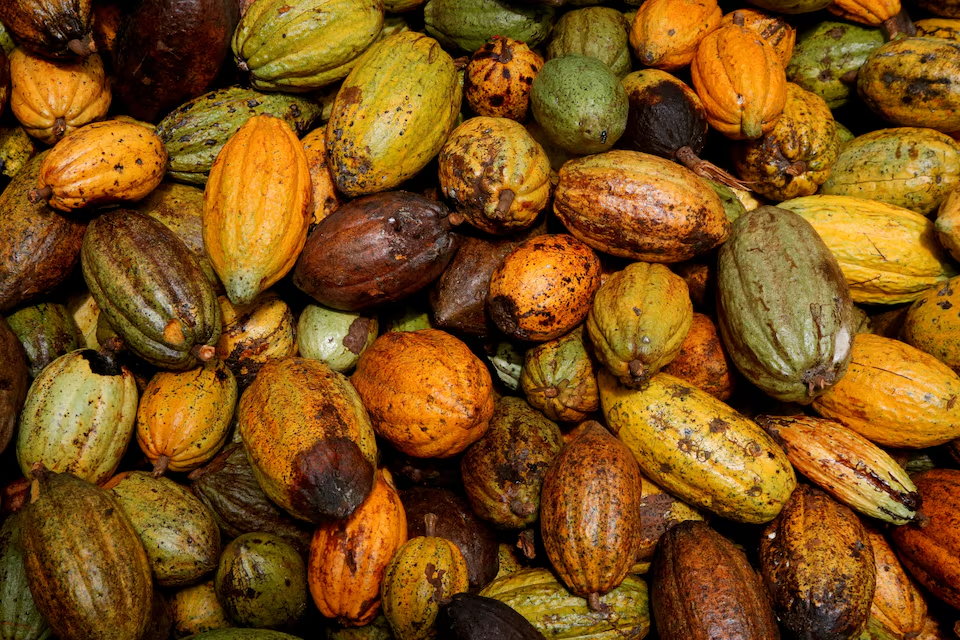
Mostly above-average light rains in Ivory Coast’s main cocoa regions last week are likely to support the development of the April-to-September mid-crop, farmers said on Monday. The world’s top cocoa producer is currently in its dry season, which runs officially from mid-November to March. However, recent precipitation has provided welcome moisture for developing pods.
Farmers across key cocoa-growing regions welcomed last week’s rains. They expect the moisture to support the development of numerous small pods currently on trees. Growers expressed satisfaction that cocoa trees showed no signs of weakness due to ample moisture levels. They noted that consistent, weekly rainfall until mid-March could result in a mid-crop harvest surpassing last season’s output.
Overall, farmers said growing conditions for the Ivory Coast cocoa mid-crop have been better than last season so far. This positive assessment comes despite the region being in the heart of the dry season. The combination of adequate soil moisture and healthy trees creates favorable conditions for pod development.
Regional Reports
In the central region of Yamoussoukro, farmers reported 14.5 millimeters of rain last week, 7.9 millimeters above the five-year average. Romain Koua, who farms near the area, expressed optimism about the coming months. “The trees are doing well. Starting in May, we will have enough cocoa,” Koua said. His comments reflect the confidence many growers feel about the developing crop.
Farmers were also hopeful in the central region of Bongouanou, where rains measured above average. The centre-western region of Daloa received below-average rainfall but growers remained positive about crop development. These varying conditions across different growing areas highlight the localized nature of weather patterns during the dry season.
In the western region of Soubre and the southern region of Divo, rains fell below average. The southern region of Agboville and the eastern region of Abengourou both recorded above-average precipitation. Despite these regional differences, farmers across all areas shared a similar outlook. They anticipate a tepid start to mid-crop harvesting in April, with a gradual increase from May through September.
Pod Development
Dominique N’Takpe, who farms near the southern region of Agboville, reported 22.8 millimeters of rain last week, 14.5 millimeters above the five-year average. “Many small pods are growing larger. We hope that the beans will be large,” N’Takpe said. This hope for well-developed beans reflects the direct link between growing conditions and final crop quality.
The weekly average temperature across growing regions ranged from 27.9 to 31.7 degrees Celsius. These temperatures remain within normal ranges for cocoa cultivation. Excessive heat can stress trees and reduce pod development, but current conditions appear favorable.
The fact that Ivory Coast cocoa mid-crop development is progressing well carries significant implications for global markets. Ivory Coast typically produces around 40 percent of the world’s cocoa. Any supply shortfall can trigger price increases that ripple through the chocolate industry. Conversely, expectations of a strong crop can moderate price pressures.
Seasonal Context
The dry season in Ivory Coast typically brings reduced rainfall and higher temperatures. Cocoa trees rely on soil moisture reserves accumulated during the wet season. However, occasional light rains during this period can provide valuable supplemental moisture. Last week’s precipitation fell at an opportune time for developing pods.
Farmers’ emphasis on consistent weekly rainfall until mid-March highlights the critical window ahead. If rains continue at favorable intervals, the crop could exceed last season’s output. If dry conditions intensify, the optimistic outlook might need revision. The next few weeks will prove crucial for final crop determinations.
The comparison to last season is particularly relevant. Previous growing conditions set the baseline against which farmers measure current prospects. When growers state that conditions are better than last season, they signal potential for increased production. Market participants will watch for confirmation of this outlook in official crop forecasts.
Market Implications
Cocoa prices have experienced significant volatility in recent years due to supply concerns. Disease, weather variability, and structural issues in West African agriculture have all affected production. The prospect of a strong Ivory Coast cocoa mid-crop could help stabilize prices and rebuild buffer stocks.
Global chocolate manufacturers monitor West African growing conditions closely. Major companies including Barry Callebaut, Cargill, and Olam source significant volumes from the region. Early indications of crop size help these firms plan purchasing strategies and manage inventory levels. They also influence negotiations with farmer cooperatives and government marketing boards.
Exporters and logistics providers also track crop development. The mid-crop harvest, while smaller than the main October-to-March crop, still represents substantial volume. Planning for port capacity, shipping schedules, and warehouse space depends on accurate crop forecasts. The current optimistic outlook suggests robust activity during the mid-crop shipping window.
Farmer Welfare
Beyond market considerations, the Ivory Coast cocoa mid-crop affects farmer livelihoods directly. Cocoa provides income for millions of Ivorian smallholders and their families. A strong harvest means more revenue to cover household expenses, school fees, and farm investments. A weak harvest creates hardship and may force farmers to seek alternative income sources.
The Ivorian government has implemented various programs to improve farmer incomes and sustainability. These include the Living Income Differential, which adds a premium to cocoa sales, and efforts to combat deforestation in the cocoa supply chain. Strong production helps ensure these initiatives can continue without placing excessive burden on buyers.
Farmers’ satisfaction with current growing conditions reflects more than just crop expectations. Healthy trees require less maintenance and chemical inputs. Good growing conditions reduce the need for replanting and rehabilitation. They allow farmers to focus resources on optimizing existing plantings rather than replacing failed ones.
Looking Ahead
The coming weeks will determine whether current optimism translates into actual harvest volumes. Farmers will monitor weather patterns closely, hoping for continued favorable conditions. They will also watch for disease outbreaks that could threaten developing pods. Black pod disease and other fungal infections can devastate crops even when weather conditions seem favorable.
Government agricultural extension services will likely increase monitoring efforts. Early detection of problems allows for rapid response that can minimize crop losses. Input suppliers will position products for potential use if conditions warrant treatment.
Global cocoa markets will digest this information alongside reports from other producing regions. Ghana, the world’s second-largest producer, faces its own weather and disease challenges. Indonesia, Ecuador, and other producers contribute to global supply balances. The cumulative picture will determine whether the market faces surplus or deficit in coming months.
As the Ivory Coast cocoa mid-crop continues developing, all signs point toward favorable outcomes. Farmers express confidence, trees appear healthy, and recent rains have provided timely moisture. If conditions hold through mid-March, the world’s largest cocoa producer could deliver another strong crop to global markets.