The Nigeria aviation fuel crisis has intensified as authorities urge airlines to keep flights running and avoid fare hikes despite rising operational costs. The appeal reflects growing concern over the impact of fuel prices on both the aviation sector and the wider economy.
Nigeria’s aviation minister, Festus Keyamo, acknowledged the pressure airlines face. However, he warned that suspending operations or increasing fares could disrupt travel and economic activity. In a letter sent to the Airline Operators of Nigeria on April 16, he called for restraint while the government works on solutions.
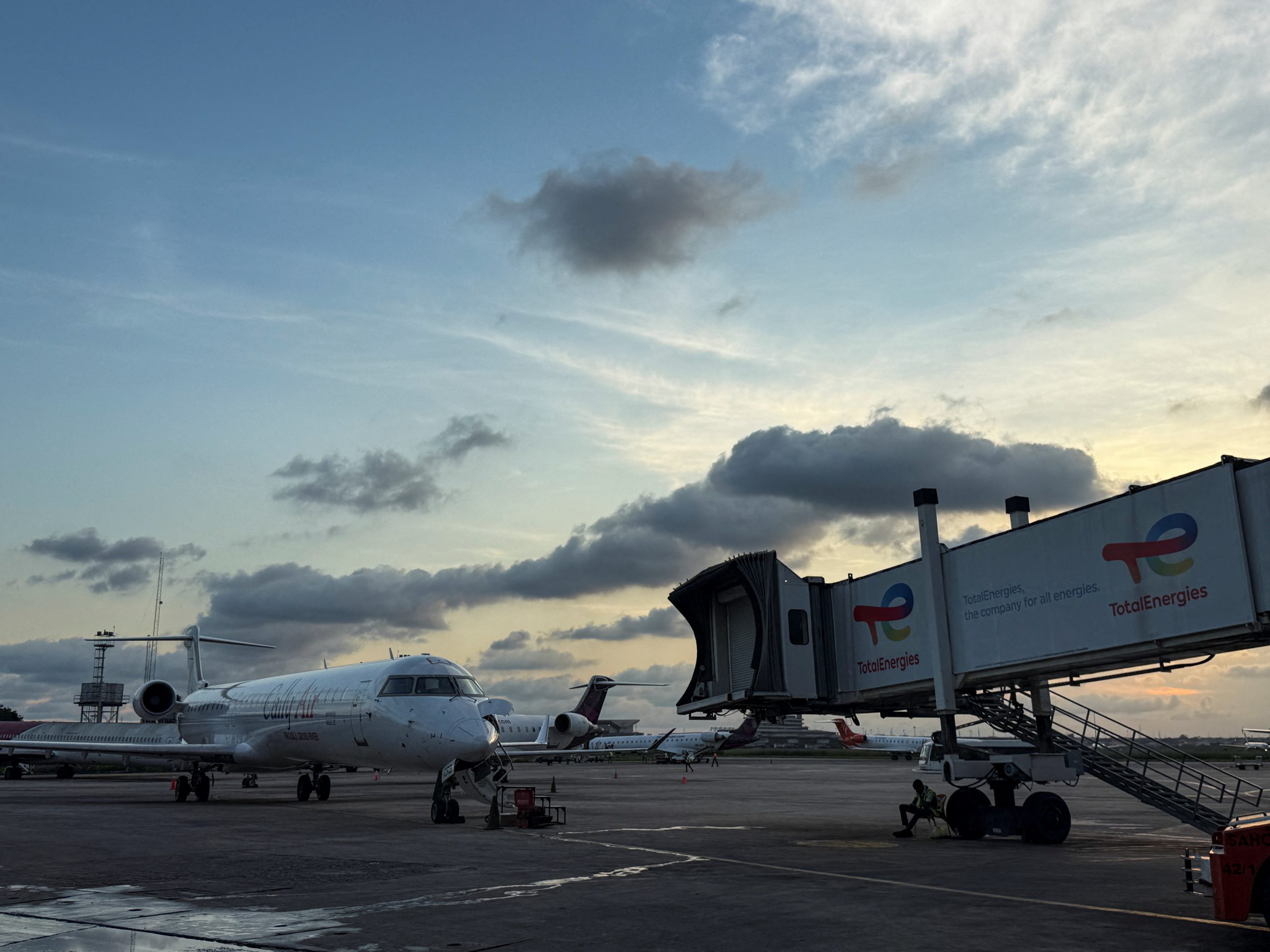
At the same time, the Nigeria aviation fuel crisis has placed airlines in a difficult position. Jet fuel prices have risen sharply, increasing operating costs across the industry. As a result, some carriers have warned they may halt flights if conditions do not improve.
Meanwhile, the government has stepped in to manage the situation. The minister said authorities are engaging directly with airlines and other stakeholders. In addition, officials have scheduled an emergency meeting in Abuja on April 22 to address the issue.
The meeting will bring together regulators, airline executives, and industry players. According to the minister, the goal is to find a prompt and sustainable solution. Therefore, the government hopes to stabilize operations without placing extra burden on passengers.
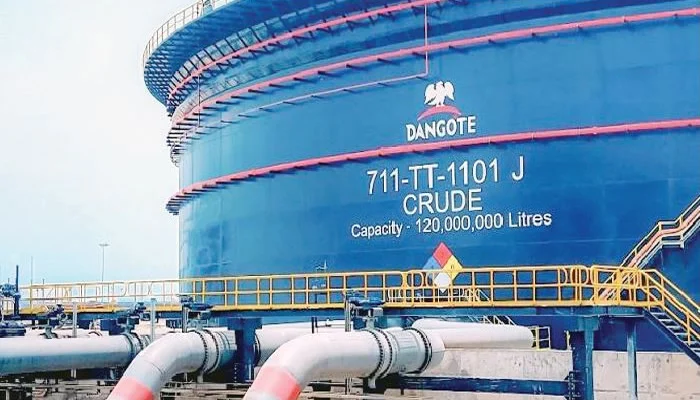
However, the Nigeria aviation fuel crisis reflects deeper structural challenges. Nigeria relies heavily on imported aviation fuel, which exposes the sector to global price fluctuations. Consequently, any rise in international oil prices quickly affects domestic airlines.
In recent months, global energy markets have remained volatile. For example, geopolitical tensions and supply constraints have pushed fuel prices higher. According to the International Air Transport Association, fuel accounts for a significant share of airline costs, often exceeding 30 percent.
As a result, airlines face shrinking profit margins. Some operators argue that maintaining current ticket prices is unsustainable under these conditions. Even so, the government insists that sudden fare increases could reduce travel demand and harm economic recovery.
Furthermore, the Nigeria aviation fuel crisis could affect regional connectivity. Domestic flights play a key role in linking major cities and supporting business activity. If airlines reduce operations, sectors such as tourism, trade, and logistics may feel the impact.
For passengers, the situation creates uncertainty. While fares remain stable for now, future increases cannot be ruled out. In the meantime, airlines must balance cost pressures with the need to maintain service levels.
The government’s intervention highlights the importance of coordination. By bringing stakeholders together, authorities aim to avoid abrupt disruptions. For more insights on Nigeria’s transport policies, see [internal-link], while broader aviation cost trends are discussed at [internal-link].
Looking ahead, the outcome of the April 22 meeting will prove critical. If stakeholders reach a consensus, the sector may stabilize in the short term. However, long-term solutions will require structural reforms, including improved fuel supply systems and local refining capacity.
Ultimately, the Nigeria aviation fuel crisis underscores a familiar challenge. Rising costs test the resilience of airlines, while policymakers must protect consumers and economic stability. The decisions made in the coming weeks will shape the trajectory of Nigeria’s aviation sector.