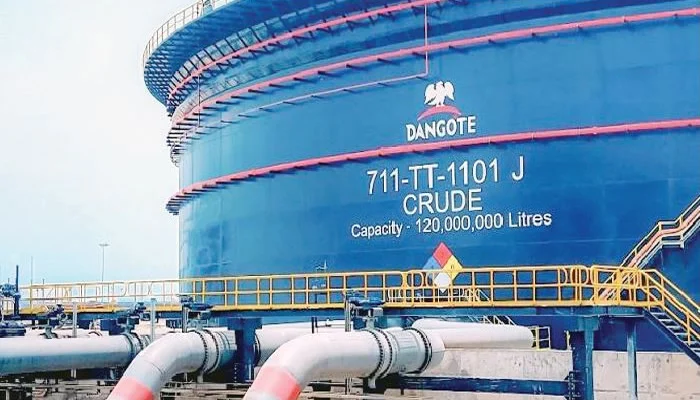
Despite the Dangote Petroleum Refinery’s move to slash petrol prices to N739 per litre in December 2025, many oil marketers continue selling Premium Motor Spirit (PMS) at higher rates. In fact, prices now range from N740 to N800 per litre, depending on location—defying hopes of a nationwide drop.
Originally, the refinery cut pump prices from about N900 to boost market stability and reduce imports. As a result, it put strong pressure on competitors to follow suit or lose customers. However, checks by Vanguard reveal that only some marketers lowered prices. Meanwhile, others held firm—even as consumers searched for cheaper options.
Chinedu Ukadike, spokesman for the Independent Petroleum Marketers Association of Nigeria (IPMAN), explained the gap. He noted that most filling stations operate in remote or outlying areas. “It costs a lot to move fuel across Nigeria,” he said. “Therefore, those logistics expenses must be included in the final price.”
Moreover, marketers are working hard to keep stations stocked. Still, transport, security, and handling fees vary widely by region—making uniform pricing difficult. “As long as Dangote continues supplying independent marketers directly,” Ukadike added, “we hope prices will eventually come down.”
Similarly, IPMAN National President Abubakar Maigandi Shettima expressed strong support. He confirmed that members have consistently lifted products from Dangote without issues. “We fully back the refinery,” he stated. “After all, it can meet all of Nigeria’s PMS demand—so there’s no need for continued imports.”
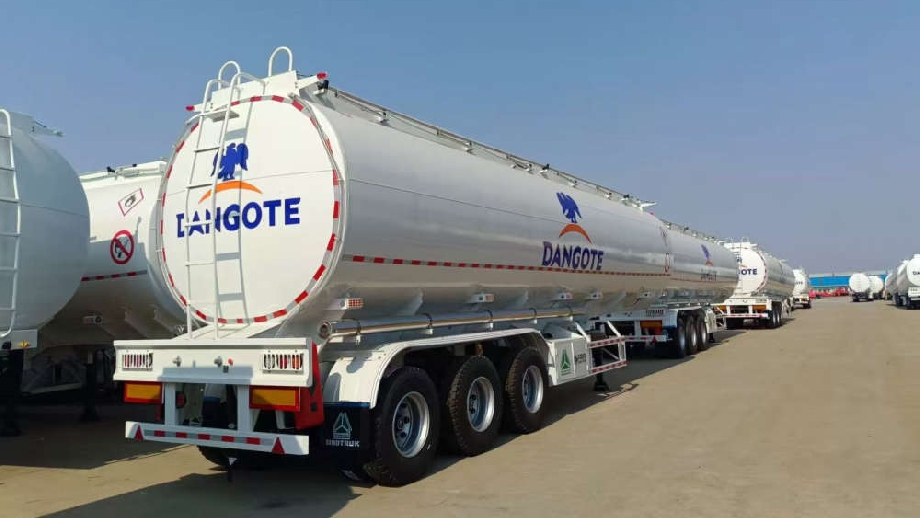
Additionally, Shettima praised Dangote’s direct delivery system to filling stations. He called it a game-changer that improves distribution and benefits end users. According to him, reliable local supply has already eased shortages and boosted marketer confidence.
Furthermore, IPMAN sees domestic refining as the long-term solution for Nigeria’s volatile fuel market. With Dangote operating at scale, the association believes the Dangote Refinery petrol price could become the true benchmark—provided logistics and regional disparities improve.
For now, however, many Nigerians still pay above N739. This gap clearly shows the complex reality of Nigeria’s downstream sector: even with abundant local supply, getting fuel to every corner remains costly.
READ: Dangote-Marketers Fuel Deal Collapses Over Pricing Dispute