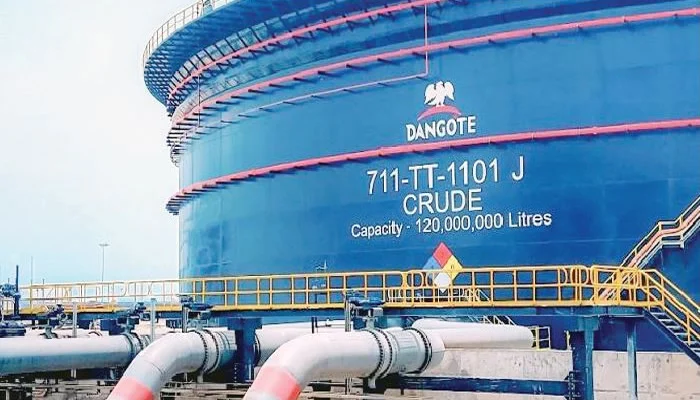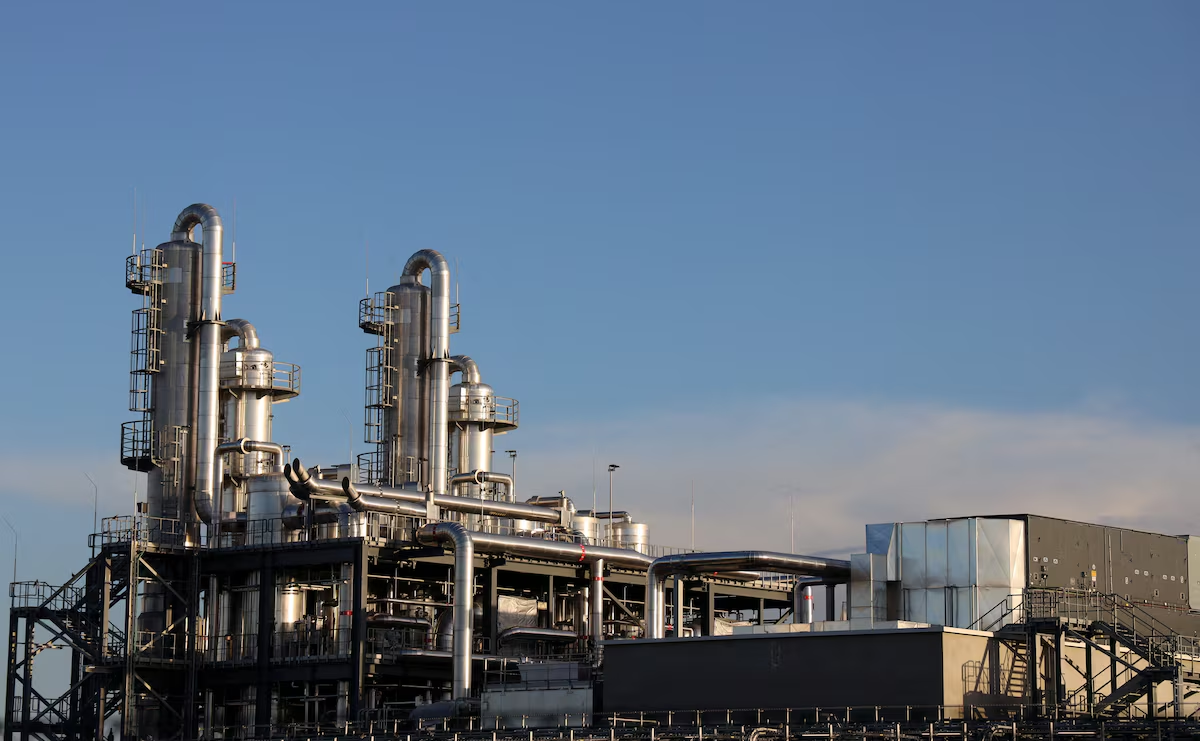
The Dangote Petroleum Refinery, Africa’s largest single-train refinery, has reported 22 sabotage incidents since its commissioning. With a capacity of 650,000 barrels per day, the $20 billion facility in Lagos is central to Nigeria’s industrial ambitions. The refinery aims to reduce reliance on imported refined petroleum and strengthen the country’s energy infrastructure. However, security and operational challenges have raised concerns among industry stakeholders and the Nigerian government.
Sabotage Incidents and Operational Impacts
Devakumar Edwin, Vice President of Dangote Group, revealed that sabotage attempts at the refinery included manipulation of critical equipment and deliberate attempts to start fires. “We have observed deliberate and coordinated acts of sabotage targeting the refinery. While our safety systems have prevented catastrophic outcomes, the incidents underline a serious threat to our operations,” Edwin said.
The refinery employs advanced safety measures such as automated fire suppression systems, continuous equipment monitoring, and modern control systems. These technologies have so far prevented the sabotage incidents from causing major damage.
However, repeated sabotage attempts have forced the refinery to revise internal security protocols. Emergency response plans have been strengthened, and thorough investigations are ongoing to identify vulnerabilities.
Operational disruptions from sabotage have the potential to affect Nigeria’s petroleum supply chain. Even minor interruptions could impact domestic fuel availability, export schedules, and downstream industries. Analysts warn that prolonged security breaches could weaken investor confidence in Nigeria’s industrial sector.
Labor Dispute and Staff Reorganization
Following the sabotage incidents, Dangote Refinery carried out staff reorganization. Several employees were dismissed as a measure to safeguard operations. Dangote Group defended the move as necessary for operational efficiency.
However, the Petroleum and Natural Gas Senior Staff Association of Nigeria (PENGASSAN) claimed that over 800 workers were terminated due to union involvement. The dispute escalated to a nationwide strike on September 28, 2025, affecting operations at the refinery and other oil and gas facilities.
The strike was temporarily suspended on October 1 after federal government intervention. PENGASSAN emphasized that dismissals perceived as punitive measures against union activity risk destabilizing the workforce. The union called for a transparent review of layoffs and dialogue with management to prevent future unrest.
Clarifications on Crude Oil Purchases
Reports of reduced crude oil purchases sparked speculation about operational setbacks. Dangote Refinery clarified that reductions were a strategic response to global oil price fluctuations and inventory management.
Edwin noted that refineries of this scale cannot operate at full capacity at all times. Operational efficiency depends on market demand, crude quality, and storage capacity. By adjusting crude inflows strategically, the refinery maintains stable production and maximizes economic returns.
Security Concerns and Broader Implications
The sabotage incidents raise broader concerns for Nigeria’s energy security. Experts note that attacks on high-value industrial facilities can affect national energy supply and economic stability.
The Arewa Consultative Forum (ACF) condemned the sabotage attempts, urging the federal government and security agencies to protect the refinery. The ACF described the refinery as a strategic national asset, vital for energy security and regional economic development.
Large-scale industrial facilities in Nigeria face both internal and external threats. These include labor unrest, insider sabotage, and organized criminal activities. Strengthening security and fostering constructive labor relations are essential to maintain operations and avoid economic disruption.
Operational and Strategic Responses
Dangote Refinery’s management is adopting a multi-pronged approach to mitigate risks. Beyond technological safeguards, focus is being placed on human factors such as labor relations, staff engagement, and morale.
Open communication, transparent dispute resolution, and regular security audits are being implemented to reduce the risk of sabotage or industrial unrest. Collaboration between private management and government agencies is also critical. Regulatory oversight and law enforcement support can help protect strategic assets.
Economic Significance and Investor Confidence
As Africa’s largest refinery, Dangote Refinery symbolizes Nigeria’s industrial potential. Its success is critical for national energy self-sufficiency and regional trade. Maintaining operational continuity, managing labor relations, and addressing security concerns are key to sustaining investor confidence.
Failures in any of these areas could impact not only domestic fuel supply but also Nigeria’s attractiveness to foreign investors in the energy sector. Experts argue that safeguarding such a strategic asset is essential for long-term economic growth.
Conclusion
Dangote Refinery continues to operate in a complex environment marked by sabotage incidents, labor disputes, and strategic market adjustments. Advanced technology and preparedness have mitigated immediate risks.
However, the incidents highlight the importance of combining security measures, labor engagement, and operational management. Success at Dangote Refinery will serve as a benchmark for other large-scale industrial projects in Africa.
Moving forward, the refinery must balance innovation, workforce stability, and security to achieve its goal of transforming Nigeria’s energy landscape. Its resilience and ability to maintain continuity amidst challenges will determine its role in the nation’s industrial and economic future.