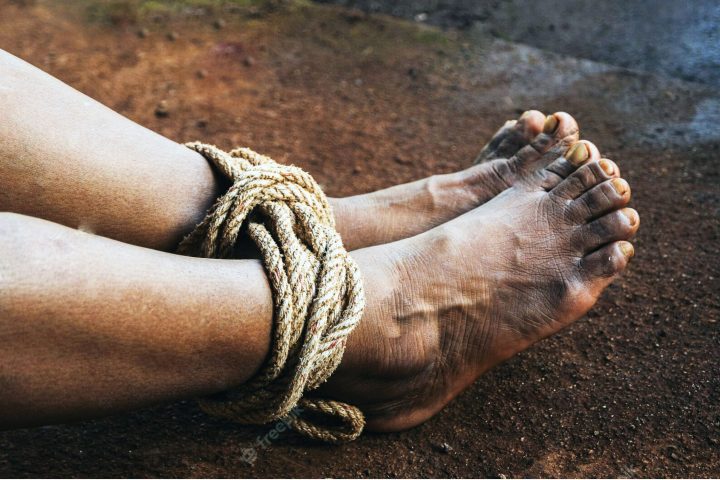
Four suspects have been formally arraigned in court over the killing of Remi Abass, chairman of Irewole Local Government Area in Osun State. The arraignment took place before an Osun State High Court, following charges filed by the police.
The suspects stand accused of conspiring to kill, murdering, and other related offenses. Authorities say the case underscores the worsening security risks faced by elected local officials.
The Victim: Remi Abass & the Incident
Remi Abass served as the chairman of Irewole LGA. His death sent shockwaves through the local community and the broader Osun political scene. According to reports, he was attacked under mysterious circumstances, triggering widespread condemnation and demands for swift justice.
While full details of the killing have not been publicly disclosed, local media indicate that the suspects were arrested following an intensive investigative operation by the Osun State Police Command.
The murder has drawn attention not only because of the stature of the victim but also because it adds to growing concerns about insecurity targeting public office holders at the grassroots level.
The Arraignment & Charges
During the hearing, prosecutors formally presented charges against the four suspects. They include:
- Conspiracy to commit murder
- Murder
- Other related offenses such as possession of arms or accessories to the crime
The suspects pleaded not guilty. The court then ordered them to be remanded in custody until a later date when additional procedures and trials will take place.
Lawyers representing the defendants requested bail, citing constitutional rights and presumption of innocence. The prosecution opposed bail, arguing that the gravity of the accusations and risk of flight require keeping them in custody. The judge reserved ruling on bail until further submissions.
The next adjourned date will allow both sides to present more evidence, arguments, and motions related to the case.
Reactions & Public Sentiment
News of the arraignment triggered strong reactions across Osun State and beyond. Community leaders, civil society groups, and local politicians condemned the killing and demanded maximum punishment if the suspects are found guilty. They also called for improved security measures for local government officials.
In Irewole LGA, residents expressed grief and fear. Some questioned why a man elected to serve local constituents became a target. Others emphasized that the arrest and arraignment signal that no one is above the law.
State-level politicians also weighed in. The Osun State government pledged full support to the police and judiciary in ensuring a transparent and fair process. They called for speedy prosecution to deter future political violence.
Meanwhile, critics of insecurity in Nigeria used this case to highlight broader failures of crime prevention, policing, and protection for public servants, especially in rural and local government settings.
Security Environment & Underlying Challenges
The murder of a local government chairman is not an isolated event but fits into a broader pattern of violence and insecurity in parts of Nigeria. Local political office holders often operate in high-risk environments, especially where clan, communal or party rivalries persist.
Some of the challenges that contextualize this case include:
- Weak law enforcement presence in rural areas, making officials vulnerable
- Political violence and rivalry, possibly triggering attacks as a tool for dominance
- Poor intelligence and early warning systems at the local level
- Impunity and delayed justice in past cases, which embolden attackers
The fact that suspects were arrested and arraigned relatively quickly is notable. It suggests that the police command in Osun may be attempting to restore public confidence and stem criticism over ineffective responses to political killings.
Legal Process & What Comes Next
Once arraigned, the legal journey for the accused includes several stages:
- Preliminary hearings — where evidence sufficiency, jurisdiction, and preliminary motions will be considered
- Bail rulings — the court must balance the rights of the accused with public interest and risk of absconding
- Full trial — presentation of prosecution witnesses, defense cases, cross-examinations, and judicial rulings
- Appeals — should any party contest the verdict
Because murder is a capital crime in some Nigerian jurisdictions, the trial will likely proceed under strict scrutiny. The judiciary will also be under public pressure to ensure that both fairness and accountability are maintained.
In addition, human rights groups and observers may request access to trial proceedings and evidence to prevent miscarriage of justice or political interference.
Political Implications & Broader Significance
The killing and subsequent arraignment carry multiple political overtones:
- It may intimidate local government officials, affecting governance delivery or encouraging self-censorship
- It could deepen party tensions if investigations reveal links to political rivalries
- A strong prosecution may become a test case for whether Nigeria can protect elected officials at the grassroots
- Should one or more suspects be high-profile, the trial may escalate into a highly watched legal and political spectacle
Because local governments are foundational to Nigeria’s democracy, ensuring their leaders are protected is critical. The case could push for reforms such as enhanced security protocols, legal protections for public servants, or better coordination between police and government at the grassroots.
Comparisons & Precedents
Nigeria has witnessed similar attacks on public officials, though relatively few have been successfully prosecuted. Often, such cases languish in courts or remain unresolved, reinforcing public cynicism. This case’s fast pace—arraignment within days of arrest—could be a departure from past delays.
If handled well, this case could set a precedent: that even local government officials are not beyond protection, and that perpetrators of political violence will face consequences. Conversely, if the trial stalls or verdicts are questionable, critics may cite it as yet another example of judicial failure.
Challenges & Risks for the Prosecution & Defense
For the Prosecution
- Ensuring evidence chains are intact and credible
- Protecting witnesses from intimidation or retribution
- Guarding against political pressure or interference
- Meeting high standards required for murder convictions
For the Defense
- Arguing lack of credible proof or alibi
- Challenging admissibility of evidence or confessions
- Mitigating public perception and media interest
- Ensuring the presumption of innocence is upheld
Given the high-stakes and political dimensions, both sides will likely retain experienced counsel and possibly engage forensic, cybersecurity, or expert evidence (e.g. ballistic reports, phone data, surveillance) to strengthen their cases.
Public Trust & Expectations
Public interest in the case remains high. Citizens expect:
- Transparency: open court sessions, publication of records or summaries, public accountability
- Fairness: that the accused receive due process and a defense, and the trial is not politically weaponized
- Timeliness: prompt hearings and verdicts to prevent protracted delays
- Precedent: that outcomes deter future attacks on public servants
How the case unfolds will influence public perception of state capacity, justice delivery, and political stability in Osun State and Nigeria as a whole.
Conclusion
The arraignment of four suspects in the murder of Osun State’s Irewole LGA chairman, Remi Abass, marks a critical moment in Nigeria’s struggle with security, political violence, and justice. While the swift judicial steps suggest renewed resolve, the road ahead is difficult.
Governance at the local level depends on leaders who operate with confidence, not fear. If justice prevails — transparently, fairly, and effectively — this case could become a turning point. If not, it risks becoming another hallmark in Nigeria’s catalogue of unresolved political killings and institutional weakness.