The Government of Nigeria has launched one of the country’s largest integrated vaccination drives, targeting over 106 million people across all 36 states and the Federal Capital Territory (FCT).
The campaign, officially flagged off in Abuja, combines measles–rubella, polio, HPV vaccination, and other child health interventions. It aims to close immunity gaps and protect children and adolescents from life-threatening diseases.
Leadership, Partners, and Vision
The drive is led by the National Primary Health Care Development Agency (NPHCDA) in collaboration with WHO, UNICEF, Gavi, the Vaccine Alliance, the Gates Foundation, and other health partners.
The First Lady of Nigeria, Senator Oluremi Tinubu, officially flagged off the campaign. She emphasized the effort as part of a “united front” against polio, tuberculosis, HPV, and other vaccine-preventable diseases.
Speaking at the launch, she said, “With these vaccines, our children will be protected and enjoy a lifetime of safety.”
Nigeria’s Coordinating Minister of Health and Social Welfare, Professor Muhammad Ali Pate, described the campaign as a landmark for the health system. He pledged that the government will work with partners “to reach and protect every child.”
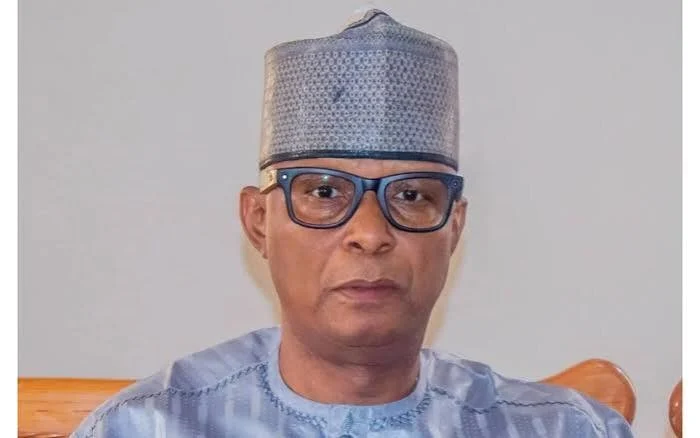
The Minister of Education also spoke, linking health to education. He stressed that protecting children from vaccine-preventable diseases helps ensure they stay in school, thrive academically, and grow into productive citizens.
Senator Ipalibo Harry-Balingo, Chair of the Senate Committee on Health, praised the integration of vaccines with other health interventions. She said that combining measles, polio, NTD (neglected tropical diseases), and malaria measures strengthens routine immunization and contributes to national health security.
Traditional and religious leaders joined the flag-off ceremony. Figures such as the Sultan of Sokoto, the Ooni of Ife, and the President of the Christian Association of Nigeria pledged to mobilize communities in support.
Who’s Targeted & What’s Included
The 2025 campaign targets:
- Children aged 9 months to 14 years for the measles–rubella vaccine
- Children 0–59 months (under 5 years) for the novel oral polio vaccine (nOPV2)
In addition, the campaign includes:
- Seasonal Malaria Chemoprevention (SMC) for children aged 3–59 months
- Treatment for neglected tropical diseases (NTDs) for people aged 5 years and above
- HPV vaccination for girls aged 9 years
To reach all communities, the campaign will use fixed posts, temporary outreach points, and house-to-house “sweep teams” to vaccinate children in remote and underserved areas.
The campaign will roll out in two phases over a 10-day period, followed by a two-day mop-up to reach any missed children.
Phase 1, covering high-risk northern states and Oyo State, includes integrated delivery of measles–rubella and polio vaccines. Some states like Kano, Yobe, and Oyo will combine NTD and malaria services alongside vaccination.
The southern states will conduct standalone measles–rubella campaigns in early 2026.
Furthermore, in areas with “zero-dose” local government areas (LGAs), additional routine immunization vaccines will be available.
This integrated approach aligns with Nigeria’s Immunization Agenda 2030 (IA2030) and its goal of achieving Universal Health Coverage (UHC).
Why the Urgency?
Nigeria continues to experience outbreaks of measles, rubella, and vaccine-derived poliovirus type 2 (cVDPV2).
The campaign supports cross-border efforts with neighbouring countries (Cameroon, Chad, Niger, Central African Republic) to stop active outbreaks by end of 2025 and eliminate residual risks by 2026.
Health officials cite the need to address immunity gaps and protect vulnerable populations. The combined drive allows the government to maximize efficiency, reduce costs, and strengthen health systems.
Nigeria is also replacing the measles-only vaccine with a combined measles–rubella vaccine, offering broader protection and preventing Congenital Rubella Syndrome in cases of maternal infection during pregnancy.
Past “in-between round” vaccination efforts in 11 northern states during August–September 2025 reached more than 3.1 million children, distributed nutrition supplements to 500,000 malnourished children, and delivered malaria interventions to 150,000 children.
What’s Being Done to Ensure Effectiveness
WHO supports the campaign at every implementation phase. It helped develop training manuals, data tools, plans, and trained immunization teams down to ward level.
WHO also deployed one technical assistant to every state to support operations. Experts from WHO country, regional, and headquarters offices will monitor in real time, helping solve challenges as they emerge.
To support frontline workers, Nigeria reengineered payment systems for greater efficiency, equipped trainers across states, and upgraded data and campaign systems to improve accuracy and accountability.
State-level efforts are also underway. In Kwara State, the government flagged off its local vaccination program covering about 1.8 million children between 9 months and 14 years (for MR) and 0–5 years (for polio).
Kwara will use 8,657 trained personnel across the campaign. The state’s First Lady called on parents to present eligible children and pledged collaboration with traditional leaders, media, and community heads.
Such local launches demonstrate how states are adapting the national strategy to their context and capacities.
Challenges & Considerations
- Geography and Access
Reaching children in remote, riverine, or conflict-affected areas is always toughest. Fixed posts won’t suffice; house-to-house outreach is essential. - Vaccine Hesitancy & Misinformation
Some communities harbor distrust of vaccines. Strong mobilization and engagement with religious and traditional leaders will be critical. - Data Integrity & Tracking
Ensuring every vaccinated child is recorded accurately will require robust digital tools, supervision, and verification to prevent missed children or duplicate counting. - Logistics & Cold Chain
Maintaining cold storage and transportation integrity — especially in rural and hot zones — is vital. Power outages and bad roads complicate delivery. - Sustainability & Routine Immunization
A campaign is a boost, but routine immunization must be strengthened so gains are sustained beyond the campaign period. - Coordination across partners and levels
With so many agencies and levels involved, coordination (federal, state, local) is complex. Clarity on roles and collaboration is essential.
What This Means for Nigeria’s Health Future
If successful, this campaign will deliver a major leap in immunization coverage. It could significantly reduce the burden of measles, rubella, and polio in Nigeria.
It also reinforces Nigeria’s health system capacity — from workforce training, data systems, supply chains, to community engagement. The effort may set a new standard in integrated child health delivery across Africa.
Over time, such campaigns can reduce child mortality, strengthen human potential, and ease pressures on healthcare facilities. A healthier child population supports better education, productivity, and social development.
Nigeria also signals to donors, partners, and global health actors that it is committed to health priorities and capable of launching bold, large-scale interventions.
Final Lines
Nigeria’s renewed push against vaccine-preventable diseases underscores the urgency of protecting its youngest citizens. With measles–rubella and polio under a unified campaign, backed by national leadership and global partners, the country has opened a window to change trajectories. If communities, health workers, and governments deliver as pledged, millions of children will be safer, and Nigeria’s path toward stronger health security will look much brighter.