Christian leaders across Nigeria are intensifying calls for government protection, justice, and urgent action as communities endure repeated attacks by armed groups. From the North to the Middle Belt, the impact has included loss of life, destruction of property, displacement, and deepening religious and social tension.
What the Christian Association of Nigeria (CAN) Says
The primary voice in these demands is the Christian Association of Nigeria (CAN). Archbishop Daniel Okoh, CAN’s President, issued a strong statement affirming that many Christian communities—particularly in Northern Nigeria—have “suffered severe attacks, loss of life, and destruction of places of worship.”
- CAN is urging government and security agencies to “take urgent, transparent, and equitable action to end the killings, safeguard vulnerable Christian communities from displacement, and ensure that perpetrators face the full weight of the law.”
- The statement emphasizes that the pain experienced by Christian families “torn apart by violence must never be treated as mere statistics.”
- CAN also noted that its earlier remarks—claiming that Christians are not being persecuted in a pattern—had caused confusion, but clarified that many do perceive targeted violence.
Specific Incidents Triggering the Call
Several recent violent events have heightened the urgency of the Christian leaders’ appeals.
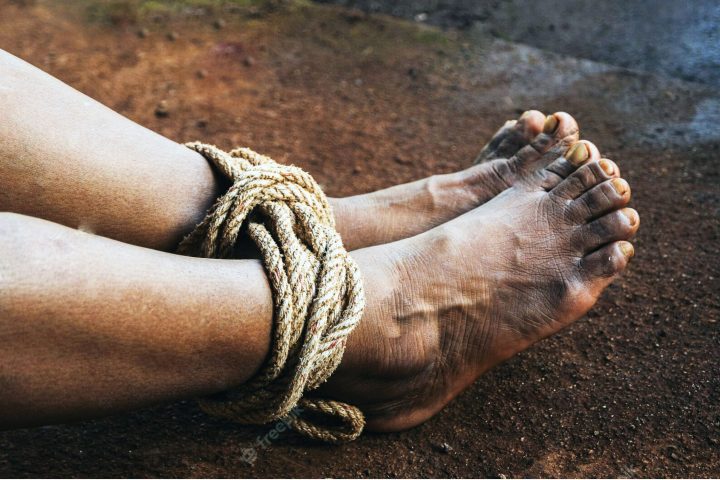
- In a particularly brutal attack in Benue State (the Yelwata massacre), between 13 and 14 June 2025, gunmen reportedly killed between 100 and 200 Christians — many of them internally displaced persons sheltering at a Catholic mission. The assailants also burnt homes and destroyed property.
- Similarly, in Plateau State, Christian faithful held a peaceful protest on 21 April 2025, decrying killings, kidnappings, and destruction of property. Rev. Amos Mohzo, leader of the Church Leaders Denominational Forum, led the protest. He asked the federal and state governments to act decisively to end the violence and to set up well-equipped community policing and rapid response mechanisms.
- The betrayal felt by many Christians stems from repeated violence in states such as Plateau, Benue, Kaduna, Taraba, and Adamawa. These include attacks on both worship centres and farming communities.
What Leaders Are Demanding
Christian leaders have made several concrete demands, centred around protection, justice, aid, and accountability:
- Decisive Security Response
Leaders want the Federal Government and state authorities to stop treating attacks as isolated or spontaneous clashes. They ask for more effective deployment of security personnel, community policing, and rapid response units. - Transparent Investigations
They demand transparent probes into attacks, including identifying sponsors, financiers, and collaborators—not just the foot soldiers. These investigations, they say, must lead to prosecutions. - Protection for Vulnerable Communities
Many affected areas are rural and poverty-stricken, lacking infrastructure. Leaders want special protection for worship centres, farmlands, homes, and displaced persons. - Government Aid and Relief
They urge the government to provide humanitarian aid—food, shelter, medical support—to people displaced by violence. There are also calls for restoring livelihoods, especially for those who depend on farming or small-business trade. - Equal Protection Under the Law
CAN insists that all citizens—regardless of religion or region—should expect government protection. They argue that Christians are being disproportionately targeted and that government response has often been delayed or denied. - International Attention & Intervention
Some leaders are calling on international bodies to apply pressure. For example, Senator Ted Cruz in the U.S. proposed legislation to designate Nigeria as a “Country of Particular Concern” under U.S. religious freedom laws, citing increasing violence against Christians.
Government and Official Responses
- President Bola Tinubu has made public statements condemning violence and urging unity. After the Benue attacks, he directed security agencies to find perpetrators and bring them to justice.
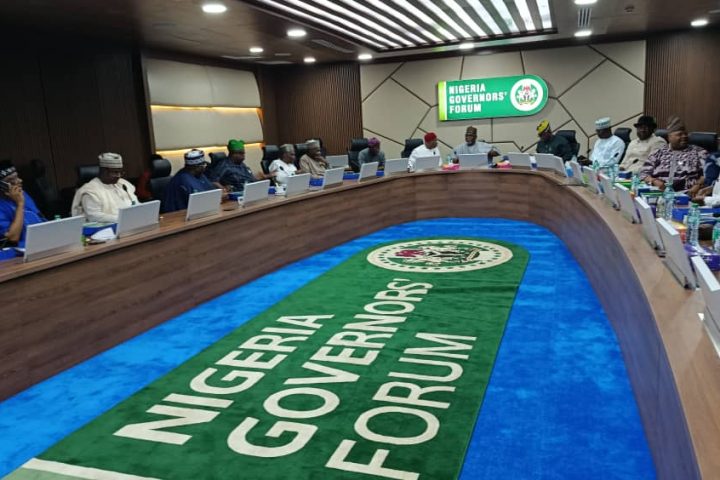
- State governors, especially in affected states like Plateau (Gov. Caleb Mutfwang) have also acknowledged the ongoing security challenges and pledged to work with federal authorities to restore peace.
- However, critics argue that response has often lagged behind the scale of the problem. Many Christian leaders feel that despite numerous appeals, the root causes (poverty, land disputes, weak justice systems, illegal arms proliferation) are rarely addressed comprehensively.
Broader Context & Underlying Issues
To understand the demands, one must consider broader, long-standing dynamics:
- Religious and ethnic tension has been part of Nigeria’s history. In many cases, violence is linked to competition over land and resources, population displacement, breakdown of traditional conflict mediation, and climate pressures.
- Pastoralist-farmer conflicts often underlie the violence in regions like the Middle Belt. Though sometimes framed as herder vs farmer, many Christian leaders and victims believe attacks have a religious target dimension.
- Weak law enforcement and impunity: Many cases of violence, even when reported, do not lead to arrests or prosecutions. This breeds distrust and fear among communities.
- Displacement and humanitarian crisis: Thousands of people have been displaced, losing homes, livelihoods, and sense of safety. Displacement often means loss of education, health care, and economic security.
Reactions Among Christian Youths and Churches
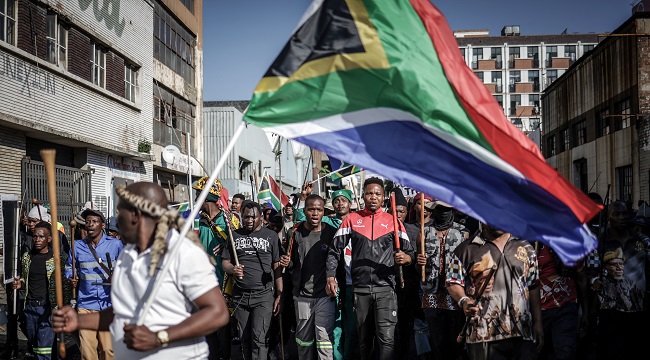
- Young Christian groups have rallied in protest. For instance, the Concerned Christian Youth Forum (CCYF) planned peaceful demonstrations in Abuja in May 2025 to draw attention to the insecurity and what they saw as government inaction.
- Churches across denominations have issued calls for prayer and fasting. The Catholic bishops in the Onitsha ecclesiastical province called on faithful to fast and pray for victims of recent attacks in Benue State, where as many as 200 people reportedly died in herdsmen attacks.
- Religious leaders in different parts of the country have used their pulpits and platforms to emphasize unity, peace, and the need for transparent government action. Some church leaders have also called on their congregations to document attacks, support victims, and raise awareness both domestically and internationally.
Why This is Urgent
Christian leaders argue that government inaction does not just harm individuals, but threatens Nigeria’s social fabric:
- Loss of trust in government institutions when citizens believe the state cannot or will not protect them.
- Escalation of violence: If attacks continue unchecked, some fear a feedback loop of retaliation, radicalization, communal distrust.
- Undermining religious freedom: When communities feel targeted, worship, schooling, and daily life may be disrupted. Churches may close, educational institutions shut, and social cohesion break down.
- Humanitarian consequences: Displacement, trauma, loss of assets, disruption of agriculture can create long-term poverty and instability.
What Experts Say Needs to Happen
Analysts and human rights organizations support many of the demands. They suggest a multi-pronged approach:
- Strengthen local security architecture: community policing, intelligence gathering, rapid response teams
- Improve justice mechanisms: investigations, tracking of financiers of violence, closing loopholes of impunity
- Reinforce social programs that address poverty, land access, education, infrastructure—addresses structural vulnerabilities that often fuel conflict
- Improve early warning systems: empowering communities to report, better mapping of hotspots, timely responses
- Increase international cooperation: human rights monitoring, potential sanctions for complicit actors, or foreign pressure where governments fail duty to protect
Potential Risks & Critiques
While calls for action are widespread, there are also cautions:
- Overemphasis on religious framing may polarize further if not balanced with broader conflict analysis
- Risks of escalating rhetoric: labeling all violence as religious persecution might simplify complex, overlapping causes
- Security operations without accountability may also cause abuses
Moving Forward: What Christian Leaders and Government Could Do
To translate demands into impact, here are likely or proposed steps:
- Government action plans with clear timelines for protecting vulnerable areas
- Legislation and policy reforms to bolster religious freedom, enhance prosecutorial capacity, and ensure responsible security operations
- Dialogue with local community leaders (religious, ethnic, traditional) to build trust and co-design peace and security initiatives
- Support for victims—humanitarian relief, rehabilitation, compensation, psychosocial services
- International engagement: Use diplomatic channels, international human rights mechanisms, and foreign partners to increase pressure and support
Conclusion
Christian leaders in Nigeria are increasingly loud in their demand for meaningful government action amid alarming rates of attack, displacement, and fear among Christian communities. They argue that the violence is not random, but often targeted, and that without decisive, transparent, and equitable intervention, the social and moral foundations of trust and religious coexistence will further erode.
Whether the Federal Government, state authorities, and security agencies respond with more than statements will determine whether these calls become turning points or yet another chapter in Nigeria’s struggle with insecurity. The affected communities await protection, justice, and hope.