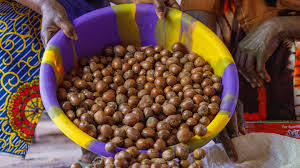
Nigeria has introduced a six-month ban on the export of raw shea nuts to encourage local processing and industrial growth. Vice President Kashim Shettima announced the policy, describing it as part of the government’s plan to increase domestic value addition.
Although Nigeria produces about 40% of the world’s raw shea nuts, it contributes only 1% to the global refined shea products market. The government aims to change this by driving more processing activities within the country. Officials expect the policy to create jobs, expand manufacturing, and keep more profits inside Nigeria.
Early projections suggest the move could bring in US $300 million in the short term. With proper support, revenues may rise to US $3 billion by 2027.
To make the policy successful, the government plans to invest in infrastructure, such as reliable power, better roads, and improved logistics. It also intends to offer incentives for investors to build processing plants and refining facilities.
Analysts welcome the initiative but warn that it must align with broader market reforms to avoid disruptions. They urge the government to coordinate with customs, agriculture ministries, and industry regulators for effective enforcement.
Some exporters have voiced concern, saying the ban could affect their earnings. Officials have promised support to help them transition into local value chains.
If well implemented, the policy can transform Nigeria from a raw material supplier into a major player in the global shea products market. The focus on value addition may strengthen industrial capacity, boost exports of finished goods, and diversify national income beyond oil.