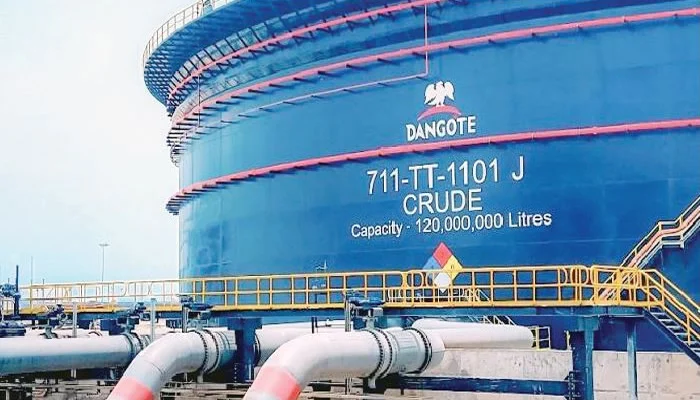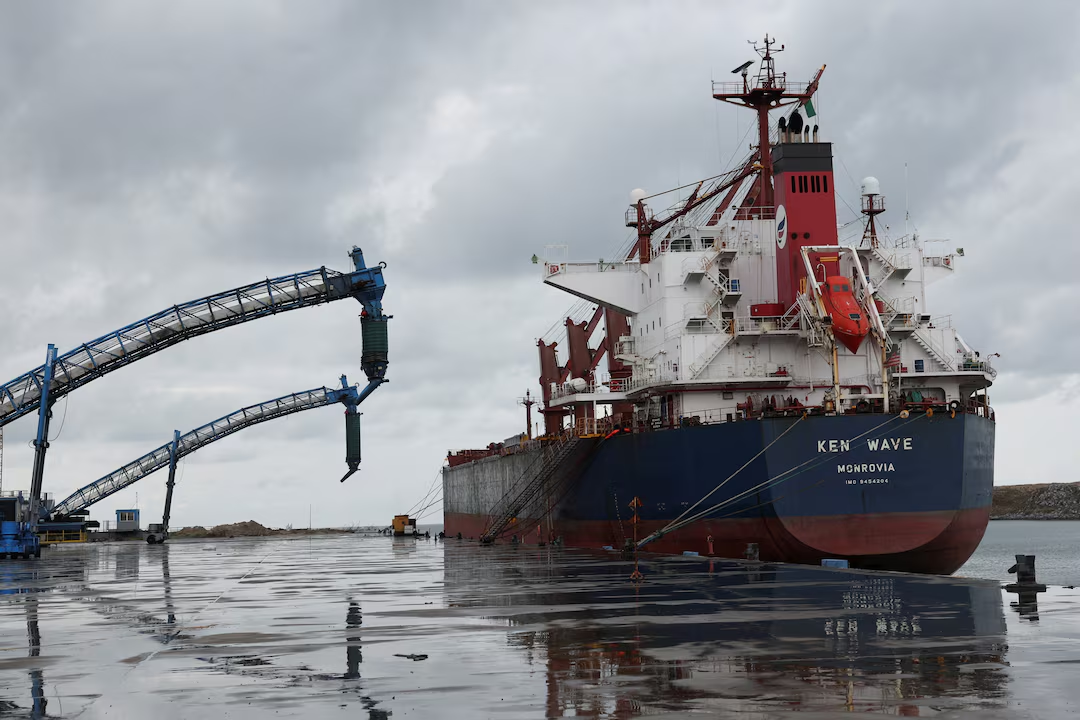
Nigeria’s Dangote refinery, Africa’s largest, has increased exports of gasoline and urea to African countries. Supply disruptions caused by the Iran war have hit many nations across the continent. Owner Aliko Dangote said on Monday that the refinery is operating at its maximum capacity of 650,000 barrels a day.
Dangote said the facility has helped cushion the full impact of the energy crisis. This relief extends both to Nigeria and across the continent. “What I can do is assure Nigerians … and most of West Africa, Central Africa, and East Africa, we have the capacity to supply them,” Dangote said during a tour of the refinery on the edge of commercial capital Lagos.
Record Dangote Refinery Exports Reach African Markets
The billionaire businessman revealed that the facility shipped some 17 cargoes of gasoline to other African nations. Exports of urea fertilizer have also risen recently. Buyers are actively seeking alternative sources of supply amid the ongoing crisis. “In the last couple of days, we’ve been looking to mostly African countries, which we were not doing before,” he said, referring to fertilizer shipments.
The Dangote refinery exports have thus become a vital lifeline for neighboring countries. Many African nations previously relied on traditional supply routes that the Iran war has disrupted. The refinery has capacity to produce up to 3 million metric tons of urea annually. Officials say the facility typically exports most of this fertilizer to the United States and South America.
Despite these record Dangote refinery exports, domestic challenges persist. Fuel prices in oil-producing Nigeria have reached record-high levels, industry figures show. Maximum output from the Dangote refinery has not fully offset the impact of high crude prices. Nigerian consumers continue to feel the pinch at the pump.
Dangote said the refinery hopes to get more crude cargoes priced in local currency. This move would help curb domestic fuel costs significantly. The Nigerian government has been exploring ways to reduce the country’s reliance on foreign currency for energy imports.
Nigeria Seeks More Local Currency Crude Deals
Two trade sources and a refinery official told Reuters last week that state oil firm Nigerian National Petroleum Company is allocating seven May cargoes for Dangote refinery. This allocation represents an increase from five cargoes in previous months. The additional supply should help the refinery maintain its export momentum.
The Dangote refinery exports come at a critical time for African energy security. Many countries on the continent face severe fuel shortages due to the Iran conflict. Traditional European and Middle Eastern suppliers have redirected shipments elsewhere. African nations have scrambled to find alternative sources.
Dangote’s facility, located in Ibeju-Lekki, Lagos, represents a $20 billion investment. It stands as a symbol of African industrial ambition. The refinery can process a variety of crude grades and produce high-quality gasoline, diesel, and jet fuel. Its urea plant supports agricultural development across the region.
United Nations Deputy Secretary-General Amina Mohammed recently toured the facility. Her visit underscored the refinery’s growing importance to regional stability. Analysts say continued Dangote refinery exports could reshape African energy markets long after the Iran war ends. The facility may eventually reduce the continent’s dependence on imported refined products from outside Africa.