What Was Announced
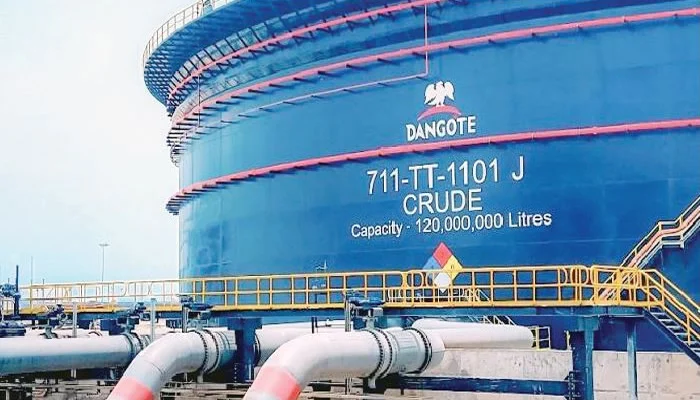
A high-powered delegation from the Future Union Group, Qatar, led by Sheikh Abdul-Rahman Hamad N.H. Al-Thani, pledged to invest $300 billion in Nigeria. The funds will flow as foreign direct investment (FDI) across multiple sectors, including infrastructure, energy, oil & gas, agriculture, aviation, mining, and clean energy.
The announcement came during a reception in Lagos, attended by top Nigerian business figures such as Adebowale Odutola of Elan Vert Nigeria Ltd. Stakeholders emphasized that this commitment reflects growing international confidence in Nigeria’s economy.
The Qatari investors stressed that they seek long-term partnerships, not short-term profits. They also plan to meet Nigerian government officials in Abuja to discuss project financing, legal frameworks, and timelines for implementation.
Why It Signals Confidence in Tinubu’s Reforms
Several of President Bola Tinubu’s economic reforms have reshaped Nigeria’s investment environment, encouraging renewed interest from global investors.
1. Foreign Exchange and Capital Repatriation
In the past, Nigeria’s foreign exchange system made it difficult for investors to repatriate profits or convert currencies easily. However, Tinubu’s reforms have simplified the forex structure, improving transparency and capital mobility. As a result, foreign investors now perceive Nigeria as more predictable and open.
2. Regulatory and Policy Changes
Tinubu’s administration has also restructured taxation, streamlined business processes, and clarified regulations—particularly in oil, gas, and energy. These steps reduce red tape and make the business climate friendlier to international investors.
3. Diversification Beyond Oil
The Qatari investment is not limited to oil and gas. Instead, it targets agriculture, aviation, infrastructure, and renewable energy—sectors crucial to reducing Nigeria’s dependence on oil. This aligns with Tinubu’s goal of building a more resilient and diverse economy.
4. Macroeconomic Reforms
Tinubu’s toughest measures—such as removing fuel subsidies, unifying exchange rates, and improving fiscal discipline—are beginning to stabilize the economy. Investors now see lower risk and clearer long-term opportunities.
5. Political and Investor Confidence
The involvement of a Qatari royal family member adds prestige to the deal. Such high-profile engagement reinforces the message that Nigeria’s reforms are credible and sustainable.
What the $300 Billion Could Mean for Nigeria
If even part of the $300 billion pledge is realized, it could transform Nigeria’s economy. The benefits would spread across several key areas:
- Job Creation: Major infrastructure, agriculture, and energy projects will generate employment and stimulate local supply chains.
- Infrastructure Development: Roads, airports, and power grids could see long-overdue upgrades, boosting national productivity.
- Agricultural Growth: Investments in modern farming and processing could reduce imports and enhance food security.
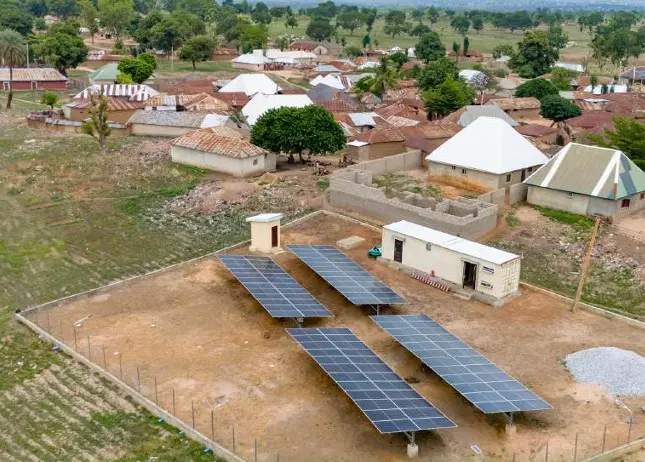
- Clean Energy Expansion: Qatar’s interest in renewables could help Nigeria reduce power shortages and attract more sustainable industries.
- Technology and Skill Transfer: Partnerships often bring new technologies, training, and management expertise, improving local industry capabilities.
- Investor Confidence Ripple Effect: A successful rollout would likely attract more global investors, lowering Nigeria’s financing costs.
Key Challenges and Risks
However, turning a pledge into reality requires effective governance and robust oversight.
Implementation Capacity
Large-scale projects demand strong planning, transparent contracts, and accountability. Delays, corruption, or mismanagement could undermine progress.
Regulatory and Legal Risks
Although reforms are underway, investors remain cautious about policy reversals, judicial inefficiencies, and regulatory bottlenecks.
Currency and Inflation Concerns
Nigeria’s naira volatility and persistent inflation could threaten profit repatriation and long-term investment returns.
Political Stability
Reforms often face domestic opposition, especially when subsidies are removed or vested interests are threatened. Sustaining reforms through electoral cycles will be crucial.
Infrastructure Gaps
Nigeria still struggles with poor logistics and unreliable electricity, both of which could delay project implementation.
Transparency and Local Inclusion
To avoid backlash, authorities must ensure that local communities benefit, jobs are created domestically, and all deals remain transparent and fair.
What to Watch Going Forward
To determine whether this is a breakthrough or a symbolic announcement, observers will monitor several indicators:
- Signed Contracts vs MOUs: Are the projects officially binding or just memoranda of understanding?
- Government Follow-Through: Are permits, land access, and clearances being streamlined?
- Project Transparency: How are funds tracked, and how much local content is included?
- Forex Stability: Will Nigeria maintain a stable exchange system that supports investor confidence?
- Macroeconomic Performance: Inflation, debt, and interest rates must remain manageable.
- Visible Impact: Are there tangible improvements—new jobs, better roads, and more reliable power?
Wider Implications for Nigeria and Africa
Nigeria’s Economic Repositioning
If successful, this investment could help Nigeria reclaim its role as Africa’s top investment hub. It may also inspire confidence across neighboring economies, sparking regional growth.
Reducing Oil Dependence
By expanding into sectors like agriculture, aviation, and technology, Nigeria can diversify revenue sources and cushion against oil price shocks.
Strengthening Global Ties
Closer economic cooperation with Qatar and the Gulf states could shift Nigeria’s geopolitical alignments, balancing Western and Middle Eastern partnerships.
Building Political Legitimacy
Delivering on this investment could strengthen Tinubu’s domestic credibility and demonstrate that his reforms produce tangible results. Failure, however, could erode public trust and deepen skepticism about government promises.
The Bottom Line
The $300 billion Qatari pledge is a landmark show of confidence in Nigeria’s economy and Tinubu’s reform agenda. It suggests that international investors are ready to re-engage with Africa’s largest market—if reforms are sustained and implementation is transparent.
However, the real test lies ahead. Turning these commitments into visible, job-creating projects will determine whether this moment becomes a turning point or merely another unfulfilled promise.
If managed wisely, this partnership could mark the beginning of a new era of growth for Nigeria—one where bold reforms finally translate into tangible prosperity.