The MTN Nigeria IoT expansion is gaining momentum as the telecom giant ramps up infrastructure to meet rising demand for connectivity. MTN Nigeria is positioning itself at the center of a rapidly growing digital ecosystem. As a result, the company aims to deliver stronger networks and smarter services across the country.
Speaking on the strategy, Chief Strategy and Innovation Officer Babalola Oyeleye confirmed that the company plans to scale its infrastructure. He stressed that reliable connectivity will support the next phase of digital growth. Therefore, the MTN Nigeria IoT expansion focuses on both coverage and service quality.
At the same time, demand for connected technologies continues to rise. Forecasts show that Nigeria’s Internet of Things market could reach $38.7 billion by 2030. Consequently, telecom operators are moving quickly to secure their position in this emerging space.
Government and private sector investments have already strengthened the digital landscape. These efforts have created an ecosystem that includes system integrators and security specialists. As a result, industries can adopt IoT solutions more easily. The MTN Nigeria IoT expansion builds on this foundation by providing the connectivity needed to support these systems.
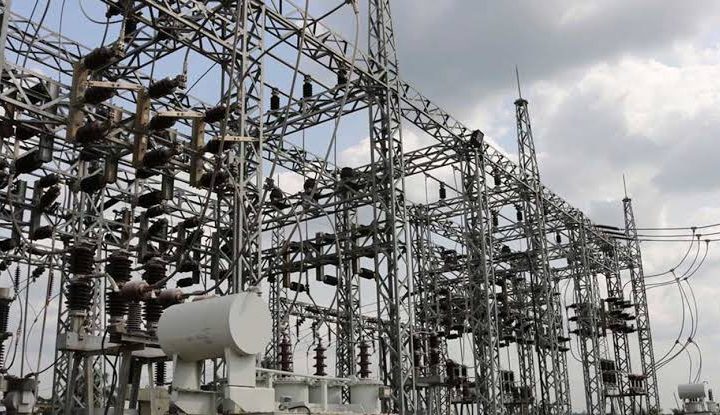
Several sectors are already leading adoption. Utilities use IoT tools to detect power theft and improve efficiency. Meanwhile, agriculture relies on smart technologies to boost crop yields. Therefore, the MTN Nigeria IoT expansion supports real-world solutions that address local challenges.
In addition, Nigeria’s network coverage has improved significantly. 4G now reaches about 80 percent of the population. At the same time, 5G services are available in major cities such as Lagos, Abuja, Port Harcourt, and Kano. This strong backbone enables low-latency communication, which is essential for IoT devices. Consequently, the MTN Nigeria IoT expansion can scale across both urban and semi-urban areas.
Oyeleye noted that growth in IoT goes beyond financial projections. He explained that millions of data points now drive smarter decision-making for businesses. As a result, both small and large enterprises benefit from improved efficiency. Therefore, the MTN Nigeria IoT expansion plays a direct role in economic development.
Moreover, the ecosystem is evolving toward simpler and more integrated solutions. Businesses and consumers increasingly prefer platforms that combine multiple services. In response, telecom providers are focusing on all-in-one systems. This shift makes IoT more accessible and easier to manage.
At the same time, MTN continues to invest in advanced technologies. These include NB-IoT, which supports low-power and wide-area connectivity. Such solutions are ideal for devices that require long battery life and consistent performance. As a result, the MTN Nigeria IoT expansion can support a wide range of applications.
Looking ahead, the next five years are expected to bring rapid growth. Smart city projects will expand across urban centers. In addition, smart home technologies will become more common. These developments will increase the number of connected devices nationwide. Therefore, the MTN Nigeria IoT expansion is critical for supporting this surge.
However, challenges remain. Infrastructure investment must keep pace with demand. In addition, affordability will determine how quickly users adopt new technologies. Despite these challenges, the outlook remains positive.
In conclusion, the MTN Nigeria IoT expansion reflects a broader shift toward a connected economy. By strengthening infrastructure and supporting innovation, MTN is positioning itself as a key driver of digital transformation. As demand continues to grow, the company’s strategy could shape the future of connectivity in Nigeria.