The Nigeria opposition realignment has gathered pace as two leading political figures shift alliances ahead of the next presidential election.
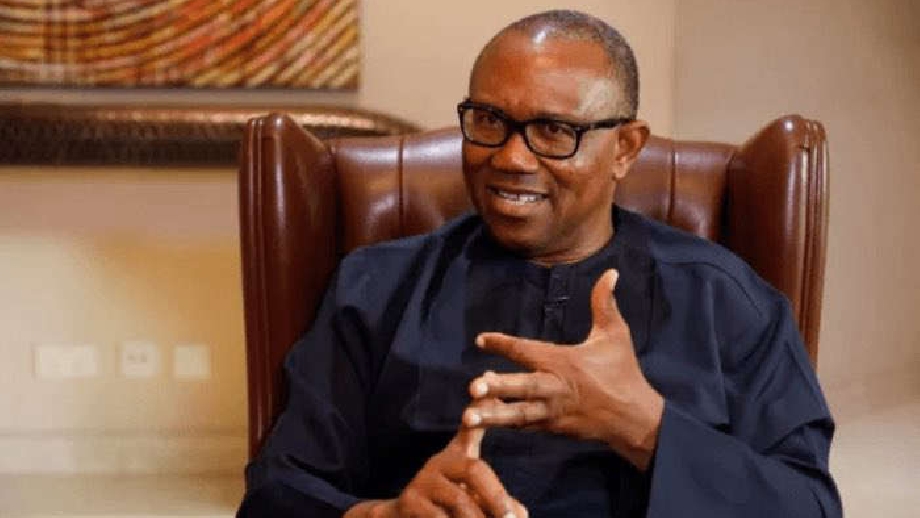
Peter Obi and Rabiu Kwankwaso have both joined the Nigeria Democratic Congress, a move that could reshape the opposition landscape. As a result, speculation has grown over a possible joint ticket to challenge incumbent Bola Tinubu.
The shift marks a significant moment in the evolving Nigeria opposition realignment, especially given the two men’s performance in the 2023 presidential election. Obi finished third, while Kwankwaso placed fourth. Both candidates retained strong regional bases and continue to command loyal followings.
Previously, both politicians were members of the African Democratic Congress. They joined that party alongside former vice-president Atiku Abubakar, who came second in the last election. However, the alliance struggled to hold together. Internal disputes and legal battles over leadership quickly weakened the coalition.
Consequently, the latest move signals both a break from past tensions and a strategic reset. Supporters argue that the new alignment could bring clarity and direction to the opposition. They believe a more focused platform may improve coordination ahead of the election cycle.
At the same time, critics view the Nigeria opposition realignment as another sign of fragmentation. Nigeria’s opposition has often struggled to maintain unity across diverse political interests. Frequent party switches and shifting alliances have, in the past, diluted collective strength.
Even so, both Obi and Kwankwaso bring distinct advantages to the new formation. Obi remains popular among younger voters, particularly in southern Nigeria. His campaign in 2023 drew significant support from urban and youth-driven constituencies. Meanwhile, Kwankwaso commands strong influence in the north, where his grassroots network continues to mobilize support effectively.
Together, their combined reach could create a more competitive electoral force. Therefore, the Nigeria opposition realignment may hinge on whether these regional strengths can translate into a unified national campaign.
The timing of the move also carries political weight. It comes just nine months after Obi, Kwankwaso, and Abubakar joined the African Democratic Congress. That coalition, however, became entangled in disputes over party leadership. These conflicts limited its ability to present a cohesive alternative to the ruling party.
Obi has openly criticized the instability within previous alliances. He argued that external interference contributed to internal divisions. According to him, similar pressures have affected multiple opposition platforms. His comments reflect broader concerns about the operating environment for opposition politics in Nigeria.
Meanwhile, the formation of a new alliance raises questions about electoral strategy. A joint ticket could consolidate votes that were previously split among multiple candidates. In 2023, the division of opposition support played a key role in shaping the final outcome. Therefore, a more unified front could alter the dynamics of the next race.
However, challenges remain. Building a cohesive party structure requires agreement on leadership, policy direction, and campaign strategy. Without clear coordination, the benefits of the Nigeria opposition realignment could weaken over time.
Looking ahead, the coming months will test whether this new alignment can maintain momentum. Political observers will watch closely for signs of unity or renewed division. Voter perception will also play a critical role, especially among undecided and swing constituencies.
Ultimately, the Nigeria opposition realignment reflects both opportunity and risk. It offers a chance to reshape the political contest ahead of the next election. At the same time, it underscores the persistent challenge of building lasting coalitions in Nigeria’s complex political landscape.