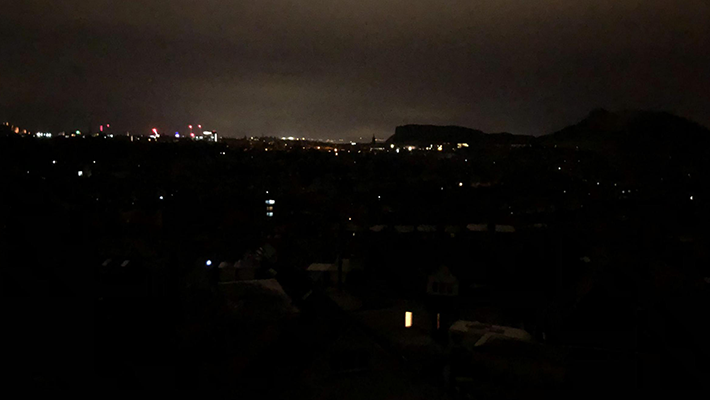
The Enugu power outage has left several parts of the metropolis in darkness after heavy rainfall and strong winds damaged critical electricity infrastructure.
The disruption began on Sunday, following intense weather conditions that affected power lines and distribution systems. As a result, multiple communities lost electricity supply across Enugu.
MainPower Electricity Distribution Limited confirmed the incident on Monday in a public notice. The company explained that a wire cut on Emene Industrial Lines 1 and 2 triggered the outage. Consequently, the fault disrupted supply across several major feeders.
The Enugu power outage also affected a distribution tower, which further complicated the situation. In addition, the damage disrupted key 33kV feeders linked to the Transmission Company of Nigeria switch yard in New Haven. These feeders play a vital role in supplying electricity to large sections of the city.
According to the notice, the affected feeders include Trans Ekulu, Thinkers Corner, Ituku-Ozalla, and Ugwogo lines. Therefore, the outage spread across multiple neighborhoods, cutting power to both residential and commercial areas.
Communities impacted by the Enugu power outage include Trans Ekulu, Emene, Thinkers Corner, and Emenite. Other affected areas are Airport, Alo Aluminium, Akpuoga, Nkwubor, Ugwuomu, Abakpa Nike, Nike Lake, and Ugwogo. These locations remain without electricity as repair efforts continue.
Meanwhile, the distribution company has mobilized its technical team to address the fault. Engineers have begun repair work on the damaged lines and infrastructure. As a result, restoration efforts are already underway, although no specific timeline has been announced.
The company described the outage as an unforeseen development. It linked the disruption directly to severe weather conditions, which often strain power infrastructure. At the same time, it expressed regret over the inconvenience caused to residents and businesses.
The Enugu power outage highlights ongoing vulnerabilities in Nigeria’s electricity network. Extreme weather events frequently expose weaknesses in transmission and distribution systems. Consequently, outages remain a recurring challenge in many urban centers.
For businesses, the disruption has immediate economic implications. Many rely on stable electricity for daily operations. Therefore, prolonged outages can increase operating costs, especially for those dependent on alternative power sources.
Residents also face daily disruptions during such outages. Households must adjust routines, while essential services often slow down. In many cases, access to water and communication services may also be affected.
Despite these challenges, authorities continue to emphasize the importance of infrastructure upgrades. Strengthening the grid and improving maintenance systems could reduce the impact of future disruptions. In addition, better planning for extreme weather could help limit damage.
Ultimately, the Enugu power outage underscores the need for resilient energy systems. While repairs are in progress, the broader issue remains clear. Without sustained investment and modernization, similar outages will continue to affect communities across the country.