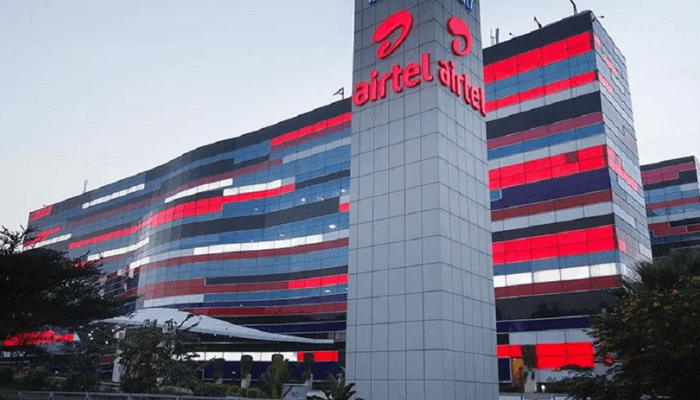
The Airtel airtime credit service has been temporarily suspended in Nigeria, marking a shift in how one of the country’s largest telecom operators manages its prepaid offerings. The move affects services that allow customers to borrow airtime or data and repay later.
Airtel Nigeria confirmed the suspension, noting that it applies to both airtime and data credit facilities. These services had supported millions of prepaid users who rely on short-term access to communication tools before recharging.
However, the company stressed that the Airtel airtime credit suspension will not disrupt normal usage. Customers can still purchase airtime and data through standard channels. As a result, core telecom services remain fully operational across the network.
Meanwhile, Airtel described the decision as temporary. The company said it took the step to align its operations with evolving regulatory and compliance requirements. Therefore, the suspension reflects internal adjustments rather than a breakdown in service delivery.
According to Ismail Adeshina, Airtel Nigeria’s Director of Marketing, the move forms part of a broader strategy. He explained that the company aims to maintain high standards of compliance, transparency, and consumer protection. At the same time, Airtel continues to innovate within Nigeria’s digital ecosystem.
The Airtel airtime credit service has played a key role in expanding access to mobile communication. Many low-income users depend on such services during periods of limited cash flow. Consequently, the suspension may affect short-term convenience for some customers.
Even so, analysts note that telecom operators must balance innovation with regulation. In Nigeria, digital financial services continue to attract closer scrutiny from regulators. According to the Nigerian Communications Commission, operators must ensure that consumer-facing products meet strict compliance standards.
In addition, the Central Bank of Nigeria has increased oversight of digital credit services. This trend reflects broader efforts to protect consumers and maintain financial system stability. As a result, companies often review or adjust offerings to meet updated guidelines.
The Airtel airtime credit suspension also highlights the evolving nature of telecom-driven financial services. Over the past decade, operators have expanded beyond voice and data into micro-lending and mobile finance. While these services improve access, they also introduce new regulatory challenges.
For customers, the immediate impact remains limited. Airtel continues to provide seamless access to voice, data, and recharge options. However, users who relied on credit services may need to adjust their usage patterns in the short term.
Furthermore, the company has indicated that it will provide updates in due course. This suggests that the suspension could lead to a revised or improved version of the service. For more insights into telecom trends in Nigeria, see [internal-link], while broader digital finance developments are covered at [internal-link].
Looking ahead, the future of the Airtel airtime credit service will depend on regulatory alignment and operational adjustments. Telecom firms must continue to innovate, but they must also meet evolving compliance expectations.
Ultimately, the decision reflects a broader shift in Nigeria’s digital economy. As services become more sophisticated, oversight increases. Companies that adapt quickly will likely maintain their competitive edge while ensuring long-term sustainability.