Nigeria power output has recorded a steady increase, signaling early signs of recovery in the country’s electricity sector. The Federal Government confirmed that generation rose from 3,951MW to 4,300MW between late March and early April. As a result, this improvement reflects stronger coordination and better fuel supply.
The update came through a statement issued by Bolaji Tunji, speaking on behalf of the Ministry of Power. He explained that the rise aligns with earlier assurances from Adebayo Adelabu. The minister had promised improved electricity supply within a short timeframe.
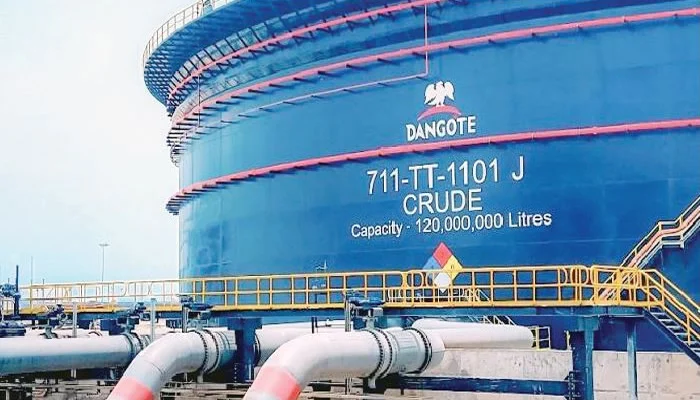
A key factor behind the increase in Nigeria power output is improved gas supply. During the period, gas deliveries to thermal plants rose significantly. Supply increased from about 605 million standard cubic feet per day to over 704 mmscfd. Therefore, power plants received more fuel to generate electricity.
At the same time, operational efficiency also improved. Mechanical availability remained stable and even increased. It reached a peak of over 7,796MW in early April. Meanwhile, operational availability rose from around 4,208MW to more than 4,694MW. Consequently, the system converted available gas into electricity more effectively.
Despite some daily fluctuations, the overall trend shows progress. Tunji noted that the sector is on a gradual recovery path. This recovery stems from better coordination among stakeholders and consistent gas supply. As a result, the upward trend in Nigeria power output appears sustainable.
However, the data also highlights a deeper structural issue. Nigeria depends heavily on thermal power plants. These plants rely on steady gas supply to function efficiently. Therefore, any disruption in gas delivery can quickly affect electricity generation.
To address this challenge, the government has taken new steps. Recently, the minister inaugurated a Gas-to-Power Monitoring Committee. This body will oversee coordination between gas producers and power companies. In addition, it will monitor supply in real time.
The committee aims to remove bottlenecks in the supply chain. It will also improve communication between key players. As a result, the initiative should support consistent growth in Nigeria power output. Reliable gas supply remains central to this strategy.
Furthermore, the government is focusing on broader reforms in the power sector. These reforms aim to improve efficiency and service delivery. Tunji assured that ongoing interventions will continue to produce measurable results. Therefore, Nigerians can expect gradual improvements in electricity supply.
Beyond generation, attention has also turned to regulatory agencies. The minister urged the leadership of the Nigeria Electricity Management Services Agency to improve its internal operations. He advised the agency to increase internally generated revenue. This step will reduce reliance on government funding.
In addition, Adelabu called for expansion of meter testing facilities. He emphasized the need to establish centers across all geopolitical zones. This move will strengthen quality control and improve service delivery. Consequently, it will support the broader goal of improving Nigeria power output and distribution.
Another major concern is the shortage of skilled manpower. The minister highlighted the need for more trained meter installers. He urged collaboration with the National Power Training Institute of Nigeria. This partnership will help build capacity and address workforce gaps.
Moreover, improving metering remains critical to sector performance. Accurate metering ensures fair billing and reduces losses. Therefore, strengthening this area will complement efforts to increase generation. Together, these steps can enhance overall system efficiency.
The government also plans to assess challenges within NEMSA. A comprehensive review will identify operational gaps. Based on this assessment, targeted solutions can be implemented. As a result, the agency will perform more effectively.
Looking ahead, the outlook for Nigeria power output remains cautiously optimistic. The recent increase shows that reforms can deliver results. However, sustained progress will depend on consistent implementation and investment.
In conclusion, the rise to 4,300MW marks an important milestone. It reflects improved gas supply, better coordination, and ongoing reforms. While challenges remain, the current trajectory suggests that Nigeria’s power sector is moving in the right direction.