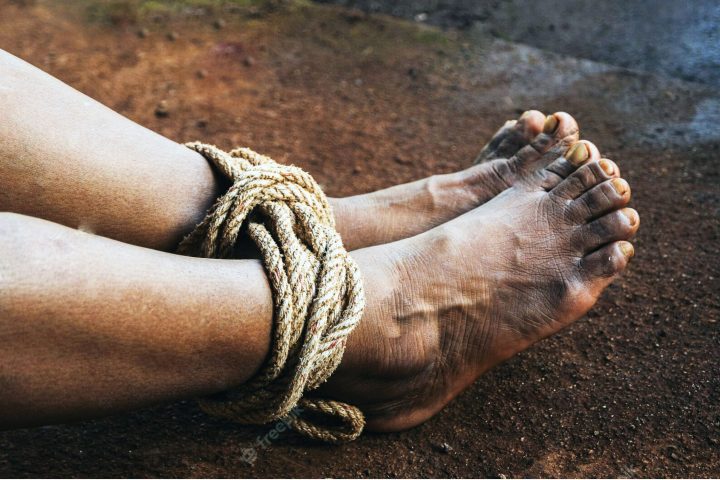
Boko Haram Ngoshe attack reports have raised fresh alarm in northeastern Nigeria after Islamic militants abducted more than 300 people from a town in Borno state. Local officials said the attackers targeted Ngoshe early Friday, seizing women, children, and other residents during the raid.
According to local authorities, the assault occurred in the Gwoza area of Borno state, a region that has faced repeated militant attacks for more than a decade. Officials believe the incident may have been retaliation for a recent Nigerian military operation that killed three commanders linked to the Boko Haram insurgent group.
Bulama Sawa, a local official from the Gwoza region, confirmed that the attackers carried away hundreds of civilians during the raid. He said militants stormed the town and forced residents into captivity before disappearing into surrounding bushland.
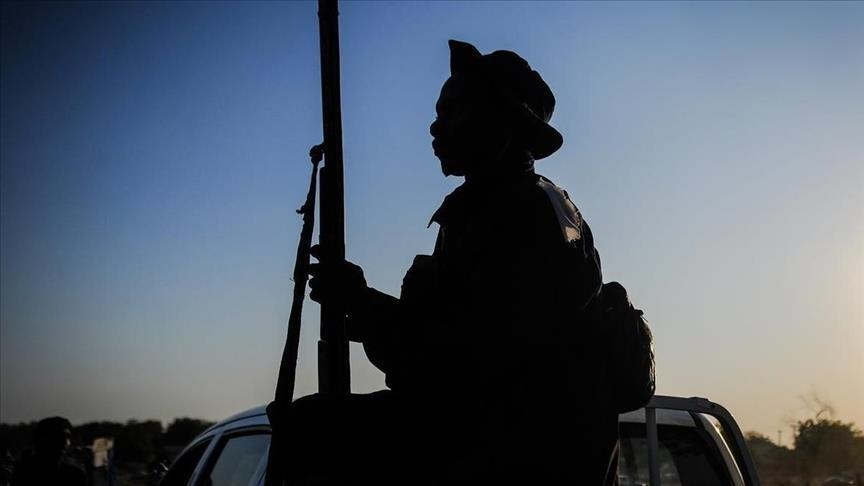
The Boko Haram Ngoshe attack has intensified fears among communities already struggling with Nigeria’s ongoing security crisis. Although no group immediately claimed responsibility, officials suspect Boko Haram fighters carried out the raid.
Nigeria continues to battle multiple armed groups operating across several regions. These groups include Boko Haram, its breakaway faction known as Islamic State West Africa Province, and other militant organizations linked to the broader Islamic State network.
At the same time, authorities reported additional attacks in other parts of Borno state earlier this week. Militants targeted the communities of Konduga, Marte, Jakana, and Mainok between Wednesday and early Friday.
However, Nigerian military forces managed to repel those assaults. Military spokesperson Uba Sani said troops successfully defended the communities despite facing coordinated attacks from insurgent groups.
Nevertheless, Sani acknowledged that several soldiers lost their lives during the operations. He said a number of troops, including a senior officer, died while defending the affected communities.
Despite the losses, the military described the assaults as unsuccessful attempts by militants to regain momentum. According to Sani, the attacks demonstrate what he called the growing desperation of terrorist groups facing sustained military pressure.
Still, the Boko Haram Ngoshe attack shows that militants remain capable of launching large-scale operations. Security analysts warn that insurgents continue to exploit weaknesses in Nigeria’s vast and difficult terrain.
Ulf Laessing, an analyst with the Konrad Adenauer Foundation, said insurgent fighters often rely on rapid mobility to evade security forces. According to Laessing, militants frequently arrive on motorbikes, strike villages quickly, and disappear into remote bush areas before the army can respond.
This tactic makes it difficult for Nigerian forces to control large rural territories. As a result, insurgent groups continue to operate across wide areas of northeastern Nigeria.
Laessing also noted that militant groups have increased cooperation across borders in the Sahel region. These alliances allow insurgents to share resources, intelligence, and operational strategies.
Additionally, militants have begun using drones to scout potential targets before launching attacks. This technology allows insurgent groups to gather information about troop positions and village defenses.
The Boko Haram Ngoshe attack also reflects the growing complexity of Nigeria’s security challenges. Several armed groups now operate in overlapping regions with different motivations and alliances.
Boko Haram remains one of the most notorious extremist organizations in West Africa. The group began its insurgency in northeastern Nigeria in 2009 and has since carried out thousands of attacks.
Over time, internal divisions within Boko Haram produced a breakaway faction aligned with the Islamic State group. This faction now operates under the name Islamic State West Africa Province.
Meanwhile, other armed groups operate alongside these militant organizations. Some so-called bandit groups focus primarily on kidnapping for ransom and illegal mining operations.
Another emerging threat comes from militant networks linked to the Sahel region. One such group, Jama’at Nusrat al-Islam wal-Muslimin, claimed its first attack inside Nigeria last year.
Security experts say these developments have complicated Nigeria’s counterterrorism efforts. Instead of facing a single insurgent group, the government must now respond to multiple armed factions.
The Boko Haram Ngoshe attack highlights the humanitarian consequences of this prolonged conflict. Communities across northeastern Nigeria continue to face displacement, violence, and economic disruption.
According to United Nations data, several thousand people have died in militant attacks over the past decade. Millions of residents have also been displaced from their homes as insurgent groups expand their operations.
Many villages now rely heavily on military protection and humanitarian assistance. However, security forces often struggle to maintain constant presence in remote areas.
Analysts argue that Nigeria must strengthen both military and civilian responses to address the crisis effectively. While military operations remain necessary, long-term stability may require stronger governance, economic development, and regional cooperation.
The Boko Haram Ngoshe attack therefore serves as another reminder of the persistent threat posed by insurgent groups in northeastern Nigeria.
For residents of Borno state, the conflict remains a daily reality. Until security conditions improve, communities across the region will continue living under the constant risk of militant violence.