The Nigeria state debt surge has accelerated despite higher federal allocations, raising concerns over fiscal sustainability across subnational governments.
Data shows that external debt for Nigeria’s 36 states and the Federal Capital Territory rose sharply in 2025. Combined foreign debt increased from $4.80bn in 2024 to $5.68bn in 2025. This represents a net rise of $884.66m, or 18.43 percent year on year .
The scale of the Nigeria state debt surge reflects widespread borrowing. A total of 33 out of 37 subnational entities increased their external debt positions. Only four states recorded declines, highlighting how borrowing remains the dominant trend .
At the same time, the pattern of borrowing shows clear imbalance. Total increases across most states reached $944.12m, while reductions amounted to just $59.46m. Consequently, rising debt outweighed declines by a wide margin .
This expansion comes despite stronger inflows from the Federation Account Allocation Committee. States received significantly higher revenues in 2025 due to improved oil prices, currency effects, and subsidy reforms. However, instead of reducing liabilities, many states continued to borrow externally. As a result, the Nigeria state debt surge has deepened fiscal pressures.
Several states recorded sharp increases in debt levels. Katsina nearly doubled its external debt, rising by $100.16m. Kogi and Niger also more than doubled their debt stocks, reflecting aggressive borrowing patterns. Plateau posted the highest percentage increase, while Gombe and Benue also recorded steep rises .
In contrast, a few states reduced their exposure. Edo recorded the largest drop, cutting its debt by $29.02m. Rivers followed with a decline of $28.69m, while Anambra and Bayelsa posted smaller reductions. Nevertheless, these declines had limited impact on the overall trend .
Meanwhile, Lagos maintained its position as the most externally indebted state. However, its debt grew only marginally, increasing by $4.83m. This slower growth suggests a more cautious borrowing strategy compared to other states .
The Nigeria state debt surge also reflects structural challenges within public finance. Rising recurrent expenditure and infrastructure demands continue to push governments toward external financing. At the same time, limited internally generated revenue constrains their ability to fund projects independently.
Fiscal pressures have intensified as debt servicing costs increase. States paid N455.38bn in foreign debt service in 2025, up from N362.08bn in 2024. This rise means a larger share of federal allocations now goes toward repayments instead of development spending .
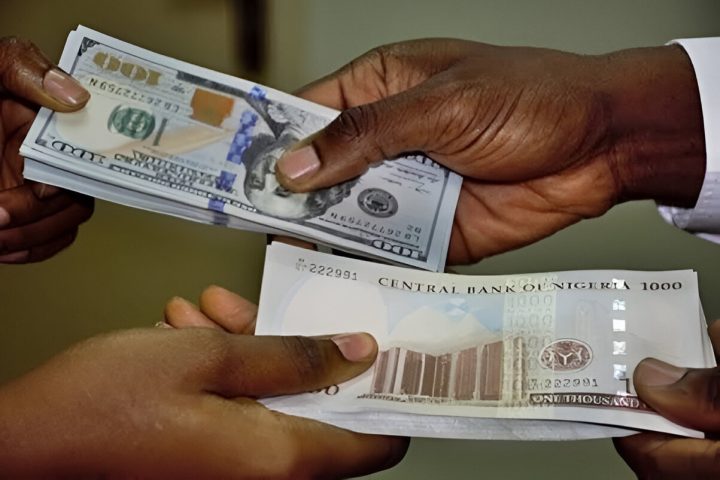
Experts warn that the growing reliance on foreign loans carries significant risks. Dollar-denominated debt exposes states to currency fluctuations. When the naira weakens, repayment costs rise automatically, placing further strain on budgets. Consequently, the Nigeria state debt surge could limit fiscal flexibility in the years ahead.
Analysts also highlight concerns about long-term sustainability. Some states with high debt burdens receive relatively lower federal allocations. This imbalance raises questions about their ability to meet repayment obligations while maintaining essential services.
Policy experts argue that borrowing alone cannot sustain growth. They emphasize the need for stronger revenue systems and better financial management. Improving tax collection and reducing waste could help states build more resilient fiscal frameworks.
At the same time, investment priorities remain critical. Governments must direct spending toward infrastructure and human development projects that generate long-term returns. Without such focus, rising debt may fail to translate into economic gains.
The Nigeria state debt surge also reflects broader governance challenges. Analysts note that many governments struggle to manage their balance sheets effectively. While borrowing offers short-term relief, it often creates long-term obligations that constrain future policy choices.
Looking ahead, the trajectory of state finances will depend on policy decisions and economic conditions. Stronger fiscal discipline, improved revenue generation, and strategic investment could help stabilize debt levels. However, without these adjustments, the current trend may continue to tighten fiscal space.
Ultimately, the Nigeria state debt surge underscores a critical turning point. States face a choice between deepening reliance on external borrowing or strengthening internal capacity. The direction they take will shape not only their financial stability but also their ability to deliver sustainable development.