Lagos, Nigeria – The global energy sector is undergoing its fastest transformation in a century, with renewables like solar, wind, and hydropower increasingly forming the backbone of modern grids. Yet for Nigeria, where more than 90 million people lack reliable electricity, the central question is whether Nigeria DisCos renewables integration is possible given their structural and financial challenges.
According to the International Energy Agency (IEA, 2024), global renewable capacity expanded nearly 50 percent in 2023, the fastest growth on record. For Nigeria, renewables offer not only cost-effective power—identified by IRENA as the cheapest new energy source in parts of Africa—but also resilience against the volatility of gas-fired generation, which dominates the country’s grid.
DisCos, privatised in 2013 to improve efficiency, still face average technical, commercial, and collection (ATC&C) losses above 40 percent (NERC, 2024). Outdated infrastructure, low metering penetration, and liquidity shortfalls leave them ill-prepared for the grid modernization needed to handle renewable integration. Tariff structures that often fail to cover costs further dampen incentives to embrace distributed renewable projects.
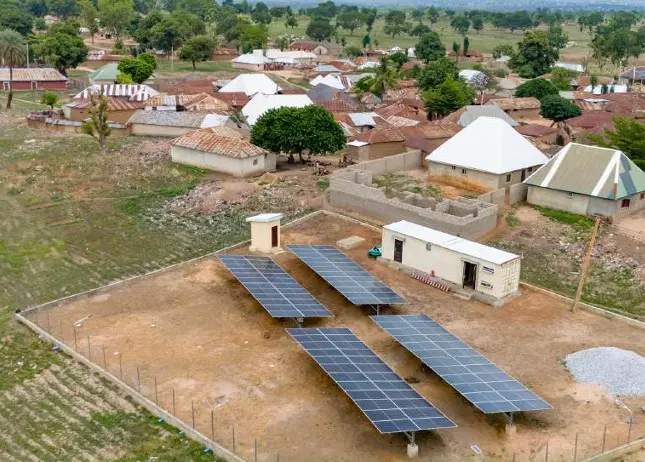
For many DisCos, urban high-paying customers remain their main revenue stream. Decentralised renewables—such as rooftop solar or microgrids—are seen less as growth opportunities and more as threats to their financial stability. This mirrors South Africa’s experience, where utilities initially resisted “prosumers” generating their own electricity. Regulatory shifts like net metering and feed-in tariffs eventually realigned incentives, a lesson Nigeria could adapt to its context.
Bridging the readiness gap
A transition-ready Nigerian DisCo must build three core capabilities:
- Technical readiness – Modern grids with two-way power flows, storage integration, and real-time monitoring.
- Financial resilience – Improved tariff structures, reduced ATC&C losses, and access to affordable capital.
- Regulatory alignment – Policies that reward renewable integration and penalise inefficiencies, alongside training to build new skillsets in distributed energy management and digital grid operations.
Industry analysts warn that delaying preparation risks leaving DisCos sidelined by decentralised providers and microgrid operators. In an era where clean, reliable energy is a strategic economic asset, Nigeria’s power sector cannot afford stagnation.
The energy transition does not threaten DisCos; it represents their best chance to restore credibility, expand access, and secure long-term financial sustainability. The urgency now lies in whether Nigeria can align technical capacity, financial structures, and policy to make Nigeria DisCos renewables integration a reality.