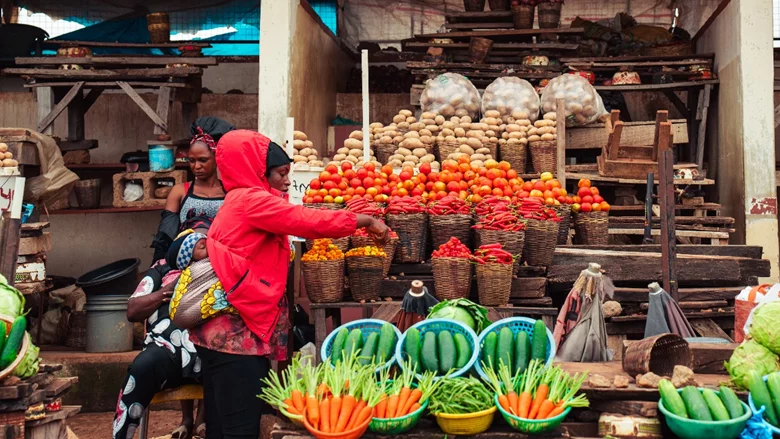
The Nigeria Economic Reforms introduced over the past two years have sharply increased the cost of living, with the poorest households absorbing the greatest shock. A new study warns that families now skip meals, reduce electricity use, and walk longer distances as fuel and food prices surge across the country.
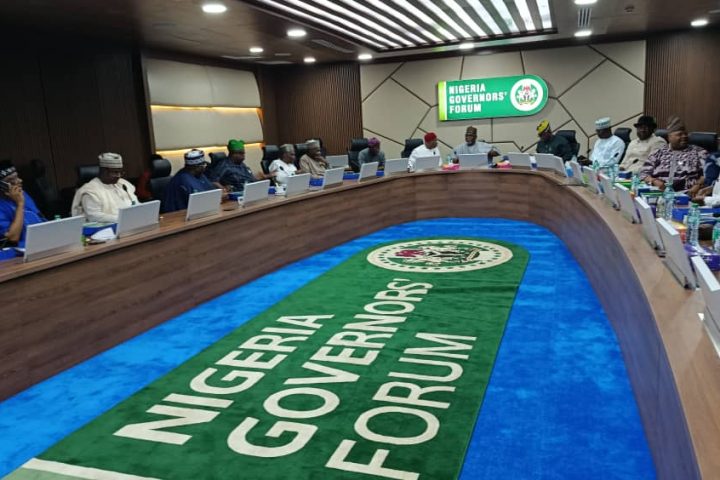
Researchers from the Agora Policy think-tank presented the findings during a policy dialogue in Abuja. Economist Dr. Mohammed Shuaibu from the University of Abuja led the study and explained how the reforms reshaped daily economic realities for millions of Nigerians.
The government launched the Nigeria Economic Reforms to stabilize public finances and strengthen the national economy. Authorities removed petrol subsidies and allowed the naira to float in currency markets. These decisions aimed to reduce fiscal pressure and attract investment.
However, the study argues that the short-term consequences have hit vulnerable households hardest.
Fuel prices provide the clearest example. According to the research, petrol prices rose dramatically after subsidy removal. The average cost increased from about N161 per litre to more than N1,200 per litre.
This sharp rise has pushed transport costs higher across the country. As a result, commuters and traders now pay significantly more to move goods and travel between cities.
Electricity costs have also climbed. The study reports that tariffs in some areas rose from around N68 per unit to roughly N225 per unit. These increases compound the financial strain on households already struggling with rising food prices.
Consequently, the Nigeria Economic Reforms have produced widespread increases in everyday expenses. The research shows that the price of a basic healthy meal jumped sharply within two years.
In mid-2023, a healthy meal cost roughly N515. By July 2025, that figure had risen to around N1,611. For many households, the increase has become impossible to absorb without making serious lifestyle adjustments.
Families who participated in the survey described several coping strategies. Many households now reduce electricity consumption to save money. Others walk longer distances rather than pay transport fares.
Most worrying, some families reported eating fewer meals each day.
According to the report, the burden of the Nigeria Economic Reforms falls disproportionately on vulnerable groups. Children, women, and elderly citizens experience the greatest hardship as families struggle to stretch limited income.
In many cases, households borrow money simply to purchase food. Informal lending networks and small community support groups have become crucial survival mechanisms.
The study also highlights severe pressure on small businesses.
Many small enterprises depend heavily on fuel and electricity to operate. Rising energy costs therefore raise operating expenses dramatically.
Business owners told researchers they have taken several steps to survive the economic shock. Some raised prices to offset higher fuel and power costs. Others reduced staff numbers to cut expenses.
In more extreme cases, some entrepreneurs closed their businesses entirely.
Farmers face similar difficulties. Higher fuel costs increase transportation expenses for agricultural goods. As a result, food prices rise further by the time products reach urban markets.
This cycle reinforces the inflationary pressure already affecting households.
Although the government introduced relief measures, the study concludes that many programs arrived too late or provided limited assistance. Authorities announced cash transfers of N75,000 and introduced a new national minimum wage.
However, researchers say those measures did not fully offset the financial pressure created by the Nigeria Economic Reforms.
Many households reported delays in receiving assistance payments. Others said the support amounts covered only a small portion of their monthly expenses.
Food, housing, and healthcare costs continued rising faster than income support programs.
Because of these challenges, Dr. Shuaibu urged policymakers to adopt a more gradual approach when implementing large economic changes.
He argued that governments should introduce strong support systems before launching major reforms. Social safety nets can help vulnerable populations manage the transition period.
The study recommends improving Nigeria’s national social register so authorities can quickly identify and support struggling households.
Researchers also propose targeted tax relief for key sectors. Reducing taxes on transport and agriculture could help stabilize food and travel costs.
In addition, the think-tank encourages government leaders to communicate reforms more clearly. Transparent explanations may help citizens understand the long-term goals of difficult economic policies.
At the same policy dialogue, central bank officials presented a different perspective.
Muhammad Sani Abdullahi, deputy governor of the Central Bank of Nigeria, highlighted improving macroeconomic indicators. He pointed to falling inflation levels and stronger foreign exchange reserves.
These indicators suggest that the Nigeria Economic Reforms may gradually strengthen the broader economy.
Nevertheless, the Agora Policy study emphasizes the immediate human cost of these changes.
Economic recovery policies often require painful adjustments. Yet the report stresses that policymakers must balance fiscal reform with social protection.
Without stronger safeguards, the poorest citizens risk bearing the heaviest burden of economic transformation.
As Nigeria continues implementing the Nigeria Economic Reforms, the challenge will remain clear. Policymakers must ensure that long-term economic stability does not come at the expense of short-term human welfare.