Nigeria oil exports to the United States have dropped sharply, signaling a major shift in global energy flows and raising fresh concerns about the country’s reliance on crude as its primary export. The latest figures show a steep contraction in both volume and value, reflecting weakening demand and intensifying competition within Africa.
Recent data reveals that Nigeria oil exports to the U.S. fell by more than 47 percent in just one month. Imports declined from 3.149 million barrels in December to 1.664 million barrels in January, marking one of the most significant short-term drops in recent years.
At the same time, the value of these exports followed a similar downward trend. Customs valuations dropped from over $217 million to about $116 million, while cost, insurance, and freight values also declined significantly. Consequently, the contraction highlights a broader slowdown in trade flows between both countries.
Moreover, the decline in Nigeria oil exports comes amid a wider cooling in U.S. crude demand. Total U.S. imports fell by over 5 percent during the same period. Therefore, Nigeria’s drop is not an isolated event but part of a larger shift in global oil consumption patterns.
However, within Africa, the situation appears more competitive than purely negative. While Nigeria lost ground, other producers gained momentum. Angola, for instance, increased its exports dramatically, rising from just over half a million barrels to more than 2 million barrels. Similarly, Ghana entered the market with significant shipments after previously recording no exports.
As a result, Nigeria’s share of U.S. crude imports weakened sharply. It dropped from around 1.59 percent to just 0.88 percent within a month. This rapid decline shows how quickly market dynamics can change, especially when pricing, logistics, and refinery preferences shift.
In addition, crude oil remains central to Nigeria oil exports, even as its dominance slightly declined. Oil accounted for between 63 and 65 percent of total exports to the United States in January, compared to over 73 percent the previous month. Therefore, while oil still leads, diversification remains limited.
Meanwhile, trade balances between both countries have shifted significantly. The United States expanded its trade surplus with Nigeria, rising from $84 million to $419 million. This change was driven by a surge in American exports, even as Nigerian exports fell sharply.
Across the broader African market, the U.S. moved into a trade deficit position. Imports from Africa rose, while exports declined slightly. Consequently, the overall trade landscape reflects shifting supply chains and evolving sourcing strategies.
Despite the short-term decline, Nigeria oil exports still maintain a dominant position over a longer period. In 2025, Nigeria accounted for more than half of Africa’s crude exports to the United States. This shows that while recent figures are concerning, the country remains a key supplier.
Interestingly, the drop in exports comes at a time when Nigeria’s oil production is increasing. Output rose from 1.55 million barrels per day to 1.64 million barrels per day. However, higher production has not translated into stronger demand, suggesting that external market forces are outweighing domestic supply gains.
Furthermore, financial data from the state oil company shows a mixed picture. While profits increased, revenue declined sharply. This indicates improved operational efficiency but also highlights volatility in the global oil market.
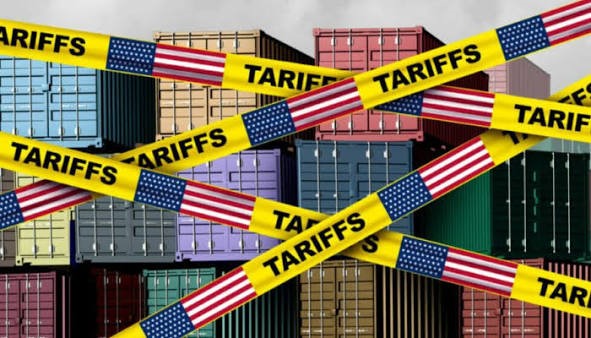
At the same time, policy factors are shaping the future of Nigeria oil exports. The reintroduction of tariff-focused measures under Donald Trump has created uncertainty in trade relations. Although crude oil is largely exempt, broader policy signals have influenced market sentiment.
In addition, experts argue that structural challenges within Nigeria’s economy are contributing to the situation. The heavy reliance on crude oil exports limits flexibility, especially when demand fluctuates. Therefore, diversification remains a critical priority.
Moreover, restrictions on travel and business interactions have also been identified as long-term constraints. These barriers can limit investment flows and reduce opportunities for expanding trade partnerships.
Looking ahead, the future of Nigeria oil exports will depend on how effectively the country adapts to changing global conditions. As new suppliers emerge and demand patterns evolve, Nigeria must strengthen its competitiveness.
At the same time, expanding into new markets could help reduce dependence on the United States. Diversifying export destinations would provide greater stability and reduce vulnerability to sudden demand shifts.
Ultimately, the sharp decline in Nigeria oil exports highlights a broader transformation in the global energy market. While Nigeria remains a major player, it faces increasing pressure from both external competition and internal structural challenges.
In conclusion, the latest data presents a clear message. Although Nigeria continues to produce more oil, demand from key markets is no longer guaranteed. Therefore, the country must rethink its strategy to remain relevant in an increasingly competitive and dynamic global energy landscape.