Nigeria power outages have intensified nationwide as authorities blame inadequate gas supply to thermal power plants for the persistent electricity shortfall. The Nigerian Independent System Operator confirmed that fuel constraints continue to suppress generation levels, forcing the grid to operate far below installed capacity.
NISO announced that the country’s average available generation now stands at about 4,300 megawatts. This figure falls significantly short of Nigeria’s installed capacity and estimated peak demand. Officials said the sustained drop in output stems from severe gas supply constraints affecting thermal generating stations.
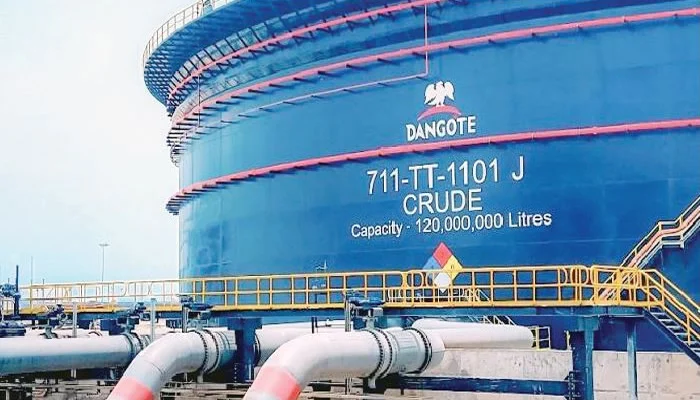
The current wave of Nigeria power outages began in early February after scheduled maintenance on critical gas infrastructure. The Nigerian National Petroleum Company Limited and Seplat Energy carried out maintenance works that temporarily disrupted deliveries to several thermal plants. Those disruptions triggered a sharp decline in electricity generation across the national grid.
Although maintenance activities concluded, gas supply levels have not fully recovered. NISO explained that thermal power stations form the backbone of Nigeria’s electricity mix. As a result, any interruption in gas supply directly reduces overall grid output and limits energy allocation to Distribution Companies.
In a public statement, NISO clarified that thermal plants require about 1,629.75 million standard cubic feet of gas per day to operate optimally. However, data as of February 23, 2026, shows that actual supply stood at roughly 692.00 million standard cubic feet per day. That volume represents less than 43 percent of the required daily supply.
This deficit explains the worsening Nigeria power outages. More than half of the gas needed to sustain daily thermal generation remains unavailable. Without adequate fuel, generating units cannot operate at full capacity. Consequently, energy dispatch across the country has declined sharply.
Because thermal plants dominate Nigeria’s generation mix, the shortage has a direct and immediate impact on grid stability. NISO confirmed that it has implemented load shedding measures to prevent total system collapse. When generation drops significantly, operators must ration available energy across distribution networks.
Load shedding distributes limited electricity according to regulatory allocation percentages under the Nigerian Electricity Regulatory Commission framework. While this measure protects grid stability, it also prolongs blackouts for households and businesses. As a result, Nigeria power outages continue to disrupt daily life and economic activity.
The operator expressed regret over the inconvenience caused to electricity consumers and market participants. However, it emphasized that it continues to collaborate with key stakeholders to restore generation levels. Authorities hope that improved gas supply will gradually stabilize output and reduce load shedding.
Nigeria’s heavy reliance on gas-fired thermal plants compounds the crisis. Gas plants account for more than 70 percent of grid electricity, while hydropower contributes the remainder. This structural dependence means that any disruption in gas production, pricing, or infrastructure immediately affects national supply.
Several factors often constrain gas availability. Upstream production challenges frequently reduce supply volumes. Pipeline vandalism disrupts transmission routes. Maintenance shutdowns temporarily halt deliveries. Pricing disputes and foreign exchange pressures also affect commercial agreements between gas suppliers and generating companies.
Liquidity problems within the electricity value chain further complicate the situation. Generating companies have repeatedly warned that inadequate remittances from Distribution Companies limit their ability to pay gas suppliers. When GenCos struggle to settle outstanding obligations, suppliers may reduce or delay gas deliveries. These financial bottlenecks worsen Nigeria power outages by tightening fuel supply even further.
Recent sector reforms separated the Independent System Operator from the Transmission Company of Nigeria. Policymakers introduced this move to improve grid management and enhance market transparency. However, while administrative reforms may strengthen coordination, they cannot offset fuel shortages. Generation capacity remains closely tied to gas availability.
Nigeria’s estimated peak demand exceeds 20,000 megawatts. In contrast, the current average of 4,300 megawatts highlights a substantial supply gap. This disparity underscores the scale of the challenge confronting Africa’s most populous nation. Persistent Nigeria power outages reflect deeper structural weaknesses in fuel supply chains and market financing.
Businesses continue to absorb heavy losses due to unreliable electricity. Manufacturers rely on diesel generators to sustain production. Small enterprises struggle with rising operational costs. Households face prolonged blackouts that affect education, healthcare, and communication. The ripple effects extend across nearly every sector of the economy.
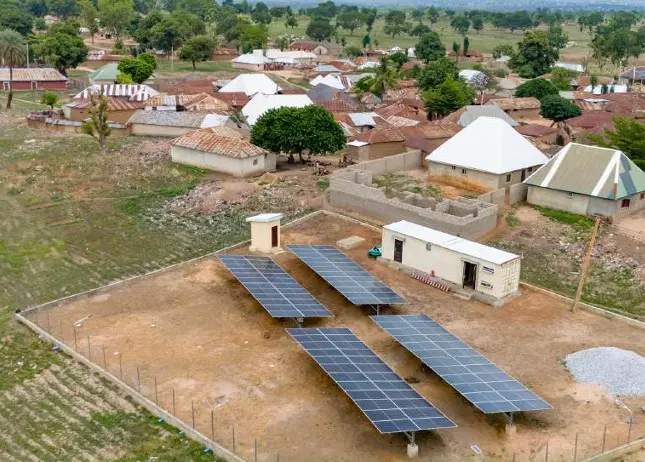
Restoring stability will require more than short-term interventions. Authorities must secure consistent and commercially viable gas supply agreements. Energy planners may also need to diversify generation sources to reduce overreliance on thermal plants. Expanding renewable capacity and strengthening hydroelectric output could help buffer future disruptions.
For now, the outlook remains uncertain. Until gas deliveries reach required levels, Nigeria power outages will likely persist. Stakeholders continue negotiations to resolve supply constraints and stabilize generation. Consumers across the country await tangible improvements that will restore reliable electricity and support economic growth.