The Nigeria UK port deal secures $1 billion for Lagos ports. This financing targets Apapa and Tin Can Island upgrades. Consequently, cargo delays should decrease significantly. Moreover, local manufacturers will benefit from lower costs. Furthermore, consumers may see reduced prices on goods. Indeed, this agreement addresses critical infrastructure needs.
President Bola Tinubu secured this agreement during his UK state visit. He met King Charles III and Prime Minister Keir Starmer. Notably, this was Nigeria’s first such visit in nearly four decades. Additionally, the deal generates $314 million in contracts for British firms. Specifically, British Steel receives a $93 million contract. Citibank arranged the credit facility for this project. Therefore, both nations gain economic advantages.
The Nigeria UK port deal addresses chronic congestion at Lagos ports. Apapa and Tin Can Island face expensive delays regularly. Therefore, imported components cost more for local manufacturers. Ultimately, these costs pass to consumers through higher prices. The upgrade aims to reverse this trend effectively. Furthermore, improved port efficiency supports Nigeria’s economic growth goals. Thus, logistics become more predictable for businesses.
Nigeria’s banking sector reforms complement this infrastructure push. The central bank announced 32 lenders completed recapitalization recently. These banks can now finance large infrastructure projects. Additionally, they will expand credit to small businesses. Consequently, foreign investment may increase significantly. This program aligns with Tinubu’s goal to triple GDP by 2030. Hence, financial stability supports physical infrastructure development.
Rising oil prices provide another economic boost for Nigeria. Crude prices consistently exceed $100 per barrel recently. Therefore, revenue increases support government spending priorities. However, security challenges remain significant. At least 23 people died in Maiduguri this week. Suspected Boko Haram suicide bombings caused these deaths. Thus, stability concerns persist alongside economic progress. Nevertheless, investors watch reform implementation closely.
The Nigeria UK port deal strengthens bilateral trade relations. British firms gain substantial supply contracts from this agreement. Moreover, Nigeria accesses expertise for port modernization. Indeed, both nations benefit from this strategic partnership. Furthermore, the deal signals confidence in Nigeria’s reform agenda. Consequently, other international partners may follow with similar investments. Therefore, this collaboration sets a positive precedent.
Global energy debates affect Africa’s development choices. US Energy Secretary Chris Wright criticized clean energy funding recently. He argued African nations should choose their energy pathways. Therefore, fossil fuel projects may receive more support. However, critics note Africa contributes minimally to global emissions. Thus, the continent seeks balanced energy solutions. Meanwhile, development finance institutions adjust their strategies.
Regional commodity markets face volatility currently. Guinea considers bauxite export quotas to protect prices. The West African nation leads global bauxite production. Yet shipping costs rise and prices fall significantly. Therefore, export restrictions may stabilize revenues. Moreover, this move follows similar actions by DR Congo and Zimbabwe. Consequently, global metals markets may experience further uncertainty. Indeed, resource governance requires careful policy design.
African governments invest heavily in surveillance technology. Nigeria spent over $470 million on smart city systems. These include AI-enabled facial recognition and car tracking. Typically, Chinese firms supply these technologies through soft loans. For instance, China Eximbank finances camera purchases from Hikvision. Additionally, Huawei or ZTE builds command centers. Thus, digital infrastructure expands across the continent. However, privacy concerns require regulatory attention.
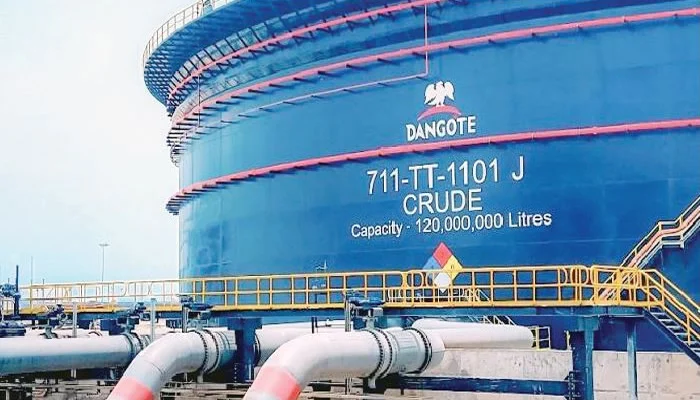
Ethiopia and Nigeria collaborate on fertilizer production. Chinese company Golden Concord will supply natural gas for this project. The $4.2 billion deal involves Dangote Group operations. Therefore, agricultural output may increase in the Horn of Africa. Moreover, conflict and drought challenge regional food supplies. Consequently, this investment supports food security goals significantly. Indeed, regional partnerships enhance development outcomes.
African football governance faces controversy recently. CAF stripped Senegal of its AFCON title. The organization awarded the honor to Morocco instead. Senegalese players protested a controversial penalty decision. Therefore, they walked off the pitch during the match. Consequently, CAF applied rules about match abandonment. However, Senegal plans to appeal this ruling. Thus, the dispute continues at the Court of Arbitration for Sport. Meanwhile, fans await resolution of this unprecedented case.
The Nigeria UK port deal represents strategic infrastructure investment. Port modernization reduces logistics costs for businesses. Furthermore, efficient cargo handling attracts international trade. Indeed, Lagos ports serve as West Africa’s commercial gateway. Therefore, this upgrade benefits regional supply chains significantly. Moreover, the project creates jobs during construction and operation. Thus, economic multipliers extend beyond the ports themselves.
Sustained discipline in economic reforms remains crucial. Nigeria must maintain policy consistency for long-term growth. Additionally, transparency in contract implementation builds investor confidence. Therefore, stakeholders should monitor project execution closely. Furthermore, community engagement ensures inclusive development outcomes. Thus, the Nigeria UK port deal can catalyze broader progress. Indeed, successful delivery strengthens institutional credibility.
As Nigeria pursues economic transformation, infrastructure investment plays a vital role. The Nigeria UK port deal exemplifies international partnership for development. Moreover, it addresses immediate logistics challenges while building long-term capacity. Indeed, efficient ports strengthen Nigeria’s position in global trade. Therefore, this agreement supports sustainable economic growth. Furthermore, it demonstrates how strategic financing enables progress. Consequently, the nation moves toward its development aspirations. Ultimately, the Nigeria UK port deal marks a pivotal step forward.