The Africa tax gap remains a major obstacle to development, as finance ministers confront a widening funding shortfall across the continent. As a result, policymakers now face growing pressure to strengthen revenue systems and close critical fiscal gaps.
At the 58th Conference of African Ministers of Finance in Tangier, Morocco, the African Development Bank presented stark figures. According to its Chief Economist, Kevin Urama, Africa’s average tax revenue stands at about 18.4 percent of GDP. However, experts say the continent must raise this figure to at least 27 percent to bridge the annual financing gap.
This Africa tax gap amounts to roughly $402 billion each year. Governments need this funding to meet the Sustainable Development Goals and the African Union’s Agenda 2063 targets. Therefore, the challenge goes beyond tax collection. It directly affects infrastructure, healthcare, education, and long-term economic growth.
Several structural issues continue to widen the Africa tax gap. For instance, large informal economies limit taxable income. In addition, weak enforcement systems allow many individuals and businesses to operate outside formal tax structures. Fragmented data systems further complicate compliance, while tax evasion continues to drain public resources.
Moreover, Africa loses even more through illicit financial flows. The continent loses an estimated $587 billion annually through illegal mining, unregulated trade, and cross-border tax evasion. This figure exceeds the $578 billion that African countries collected in total tax revenue in 2023. Consequently, governments are losing more money than they generate.
The AfDB argues that much of this loss remains preventable. Stronger enforcement, better regulation, and coordinated policies could significantly reduce illicit flows. Therefore, closing the Africa tax gap requires both improved collection and reduced leakage.
To address these challenges, the bank has recommended several reforms. First, governments should adopt digital payment systems and unique taxpayer identification tools. These systems improve transparency and reduce opportunities for fraud. In addition, artificial intelligence can help detect compliance failures and identify suspicious financial activity.
At the same time, policymakers must review tax exemptions. Many exemptions fail to deliver measurable economic benefits. Therefore, eliminating ineffective incentives could increase government revenue. Furthermore, stricter rules on transfer pricing and capital flight could prevent corporations from shifting profits out of African jurisdictions.
Evidence from across the continent shows that reform can deliver results. For example, the Uganda Revenue Authority introduced an electronic invoicing system that boosted VAT revenue by 50 percent after its launch in 2021. Similarly, Kenya Revenue Authority reported revenue growth of 11.1 percent in 2024, up from 6.4 percent the previous year. These gains followed the adoption of digital compliance systems.
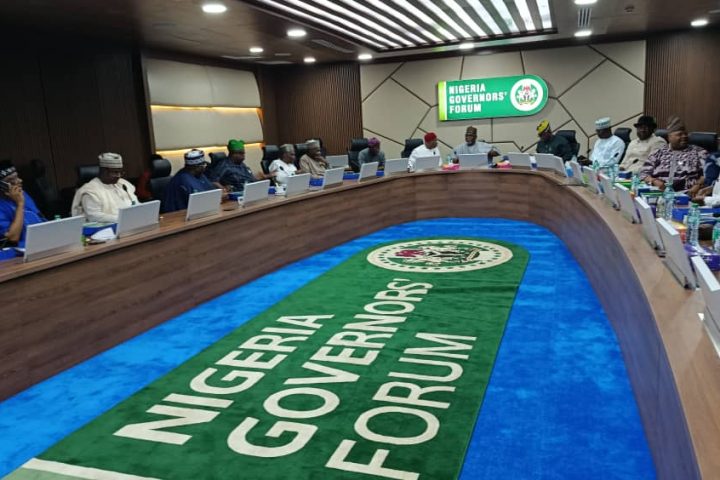
Nigeria presents a more complex case. Despite its economic size, the country has one of the lowest tax-to-GDP ratios in Africa. Between 2013 and 2023, the ratio declined slightly from 8.3 percent to 8.2 percent. Meanwhile, the average across 38 African countries increased over the same period.
In response, Bola Tinubu signed a sweeping set of tax reforms in June 2025. The reforms introduced a unified tax system, created a new revenue authority, and expanded digital VAT tools. The government aims to raise non-oil revenue to 40 percent of GDP by 2030. However, the scale of the Africa tax gap shows that progress will require sustained effort.
The AfDB continues to support these efforts. The bank currently runs 31 revenue mobilisation programmes across 22 countries. It offers financing, technical assistance, and policy guidance to help governments strengthen their fiscal systems.
In addition, the bank has launched a Public Service Delivery Index for Africa. This tool measures how effectively governments convert tax revenue into public services. As a result, it aims to improve accountability and ensure that citizens see the benefits of taxation.
Ultimately, the Africa tax gap highlights a critical turning point. Governments must act decisively to improve revenue collection while reducing financial leakages. With the right mix of technology, policy reform, and political will, Africa can unlock the resources needed to drive sustainable development.