Education is fundamental to national development. It equips citizens with knowledge, skills and the ability to contribute meaningfully to society and the economy. In Nigeria, however, funding the education sector has long been a struggle. Despite repeated commitments by successive governments and widespread public discourse on the importance of learning, education funding remains inadequate, unpredictable and inefficient. This persistent challenge affects the quality of schooling, access for millions of learners, the condition of infrastructure and the ability of the system to respond to 21st century demands.
This article examines the nature of Nigeria’s education funding challenge, its root causes, its impacts on learners and society, and possible pathways to sustainable and effective investment in education.
The State of Education Funding in Nigeria
Funding for education in Nigeria comes from federal, state and local government budgets, as well as private sources including families and non‑governmental organizations. Historically, the share of the national budget allocated to education has hovered below international benchmarks recommended by organizations such as UNESCO, which suggests that countries devote around 15‑20% of public expenditure to education. Nigeria’s allocations have often lagged behind this level, hampering efforts to expand and improve the sector.
While education is legally guaranteed under the Nigerian Constitution as a right for every child, funding commitments do not always translate into adequate resources on the ground. Allocation figures can look reasonable on paper but translate into low per‑pupil funding when spread across Nigeria’s large youth population. Budget releases may also be delayed, reducing the effectiveness of approved funding.
Why Education Funding Remains Inadequate
Several structural and systemic issues contribute to persistent underfunding in Nigeria’s education sector:
1. Competing Budget Priorities
Nigeria faces pressing needs in areas like security, infrastructure, health and debt servicing. With limited revenue — particularly during periods of low oil prices — education often takes a back seat in budget allocations. This results in lower priority in actual spending despite constitutional importance.
2. Weak Tax Base and Revenue Challenges
A narrow tax base means the government earns limited domestic revenue. Heavy reliance on oil revenue creates vulnerability to price shocks, affecting the predictability of government funding for education.
3. Inefficient Budget Execution
Even when education budgets are allocated, execution may be inefficient. Delays in releases, reallocation of funds to other sectors, and bureaucratic bottlenecks reduce the impact of approved education spending.
4. Limited Accountability and Oversight
Unclear tracking of how education funds are used at federal, state and local levels makes it difficult to ensure funds reach classrooms and learning materials. Weak accountability mechanisms can lead to wastage, leakage or misallocation.
5. Overreliance on Out‑of‑Pocket Payments
With public funding inadequate, families often cover costs for uniforms, textbooks, exam fees and other expenses. This burdens low‑income households and contributes to inequality in educational access.
Impacts on Quality and Access
Persistent underfunding of education has wide‑ranging consequences for learners, teachers and the economy as a whole:
Overcrowded Classrooms and Infrastructure Decay
Many schools in Nigeria struggle with overcrowded classrooms because there is insufficient funding for facilities and hiring enough teachers. Existing buildings may be in disrepair, lacking basic amenities like electricity, safe drinking water and adequate sanitation.
Teacher Shortages and Low Motivation
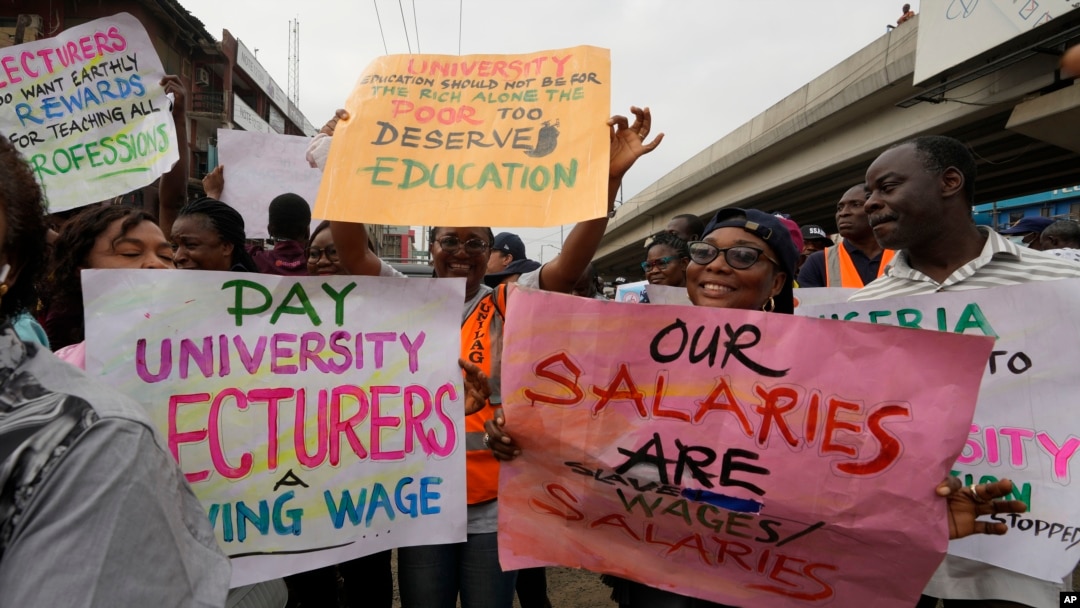
With limited funding for hiring and training, many schools lack qualified teachers, especially in rural areas. Low salaries and delayed payments also affect teacher morale and retention, further degrading instruction quality.
Poor Learning Materials and Technology Gaps
Inadequate funds mean students and teachers may have limited access to textbooks, laboratory equipment, digital tools and libraries. This undermines learning outcomes and limits students’ ability to compete in an increasingly digital world.
Inequitable Access
Underfunding disproportionately affects vulnerable groups, including girls, children with disabilities and learners in rural or conflict‑affected areas. Families that cannot afford out‑of‑pocket costs may keep children out of school, contributing to persistent educational inequality.
Weak Higher Education Financing
Tertiary institutions also face severe funding constraints. Universities and colleges often lack research funding, modern facilities and sufficient staff, affecting the quality of post‑secondary education and the country’s ability to produce skilled professionals.
Economic and Social Consequences
Education funding challenges do not only affect schools — they affect national development:
Stunted Human Capital Development
A poorly funded education system produces graduates with limited skills, reducing the talent pool available to industries and hampering economic growth.
Higher Unemployment and Poverty
Insufficient education quality correlates with unemployment and underemployment among youth. Without market‑ready skills, many young people struggle to find formal employment.
Social Disparities and Instability
Inequitable access to quality education can widen social disparities. Regions with limited schooling opportunities may experience higher poverty or social tension, affecting national cohesion.
Strategies for Sustainable Education Funding
Addressing Nigeria’s education funding challenge requires systemic reforms, political commitment and collaborative action:
Increase Public Investment
Nigeria needs to prioritize education spending in national and subnational budgets. Committing a greater share of public expenditure to education, and ensuring timely and predictable release of funds, would strengthen the sector.
Expand Domestic Revenue and Tax Reforms
Broadening the tax base and improving revenue collection would provide governments with more resources. Efficient use of revenue can expand funding available to education without overreliance on volatile revenue sources.
Strengthen Accountability Mechanisms
Transparent tracking of education spending through digital tools, independent audits and citizen participation can help ensure resources reach intended beneficiaries and reduce leakage.
Innovative Financing Mechanisms
Exploring education bonds, public‑private partnerships, result‑based financing and international development partnerships can supplement public funding and support targeted improvements.
Community and Private Sector Engagement
Communities, civil society and private businesses can play roles in supporting schools through funding materials, mentorship programs, infrastructure projects and local initiatives. While public funding remains primary, multi‑stakeholder support enriches educational environments.
Conclusion
Nigeria’s persistent education funding challenge continues to affect the quality, equity and efficiency of its education system. Inadequate funding translates into overcrowded classrooms, unequal access, limited teaching resources and underprepared graduates. Addressing this issue requires bold policy shifts, prioritization of education in budgets, accountability reforms and broad‑based partnerships. By investing in education effectively and sustainably, Nigeria can empower its youth, enhance economic prospects and unlock the transformative power of learning for national development.