Nigeria’s defence minister has resigned as the country faces a worsening wave of mass kidnappings that has shaken public confidence in the government’s ability to protect its citizens. The resignation comes after weeks of public anger, political pressure, and rising insecurity across multiple states, where armed groups have carried out increasingly bold abductions.
Government officials confirmed the resignation on Tuesday. The minister stepped down after a series of high-profile kidnapping incidents, including attacks on schools, highways, and rural communities. These events have forced thousands of families into fear and exposed the limits of the nation’s overstretched security forces.
Growing Pressure From a Frustrated Population
Nigerians have expressed frustration with the government’s response to the surge in violence. Many communities say they feel abandoned as armed groups continue to target vulnerable areas. The minister’s resignation followed strong criticism from lawmakers, civil society groups, and local leaders who argued that the government failed to respond effectively.
Parents of abducted children have staged protests in several cities. They demanded stronger military action, faster rescue operations, and greater accountability from federal authorities. Their voices added to the mounting pressure on the defence minister to step aside.
A Kidnapping Crisis Spiralling Out of Control
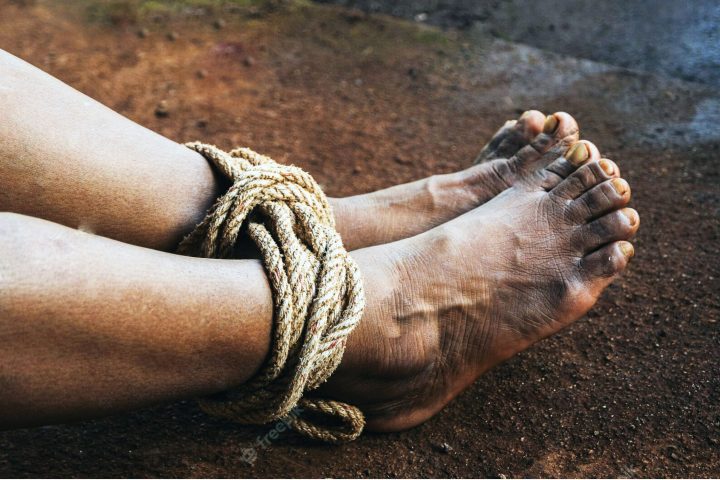
Nigeria’s kidnapping epidemic has escalated rapidly over the past two years. Criminal groups, often referred to as bandits, have expanded their operations from rural villages into larger towns. They now ambush major highways, raid boarding schools, and storm residential neighborhoods. As the crisis grows, many families have fled their homes, creating new humanitarian concerns.
Security specialists warn that the kidnappers have become more organized. They often operate with advanced weapons and rely on ransom payments to fund their networks. As a result, the government faces a complex challenge that requires military strategy, economic support for affected regions, and stronger intelligence operations.
Political Fallout and National Security Debate
The resignation has deepened political debates in Abuja. Some lawmakers argue that the move shows the government is willing to admit failures and reset its security strategy. Others believe the resignation came too late and does not address the systemic issues that allowed armed groups to expand their influence.
Opposition parties say the crisis reflects a broader decline in public safety across the country. They are calling for urgent reforms within the defence ministry, improved cooperation with local security groups, and stronger oversight of military spending.
President Faces Pressure to Act
President Bola Tinubu now faces mounting pressure to appoint a new defence minister quickly. Nigerians expect the next minister to implement a tougher and more coordinated security plan. The president has promised stronger action, but citizens remain skeptical after years of rising insecurity.
Government insiders say the president is considering candidates with military backgrounds and experience in counterinsurgency. Analysts believe the appointment will shape Nigeria’s security approach for the coming years.
Communities Demand Immediate Relief
Across affected states, local communities are calling for immediate support. Many want more soldiers deployed, quicker response times, and round-the-clock patrols. Community leaders also stress the need for long-term solutions, including investment in education, youth employment, and local policing.
Despite these calls, the situation remains tense. Recent attacks have shown that armed groups can strike with little warning. Until major security reforms take hold, many Nigerians fear the kidnapping crisis will continue to escalate.
A Critical Moment for Nigeria
The defence minister’s resignation marks a pivotal moment in Nigeria’s ongoing struggle with insecurity. It opens the door for a new strategy, yet it also underscores the depth of the crisis. Without coordinated action, experts warn that kidnappings may continue to rise, further destabilizing communities and weakening public trust in the government.
For now, Nigerians await the next steps from the presidency and hope that new leadership will bring renewed effort to restore safety and stability across the country.