Nigeria’s financial markets are entering a new stage as economic reforms begin to stabilize the country’s macroeconomic environment. Investors are now shifting attention from speculative flows to corporate earnings and long-term structural growth drivers.
Over the past year, Nigeria experienced significant economic turbulence following sweeping policy reforms. These measures included foreign exchange liberalisation, fuel subsidy removal, and aggressive monetary tightening aimed at controlling inflation.
Initially, the reforms caused volatility across financial markets and the broader economy. However, analysts now believe the country is moving from a period of “reform shock” toward gradual macroeconomic stabilization.
According to a report by Comercio Partners titled “Policy Shock to Structural Reset: Charting a Sustainable Economic Path,” Nigeria’s market direction in 2026 will depend largely on the credibility of current reforms. Policymakers must also maintain macroeconomic discipline to sustain investor confidence.
Analysts say the recent reforms have started correcting distortions that existed in key sectors of the economy. Changes in the foreign exchange system and the energy sector have altered relative prices across the market. These adjustments have improved transparency and reduced structural inefficiencies.
As macroeconomic conditions slowly stabilize, the Nigerian Exchange is expected to move into a new investment cycle. Market performance will increasingly depend on company earnings rather than liquidity-driven speculation.
Investors are expected to focus more on corporate fundamentals, including profitability and balance-sheet strength. Companies with strong earnings potential are therefore likely to attract greater attention in the market.
Banks, energy companies, and selected industrial firms are expected to lead the next phase of market growth. Improved foreign exchange stability and rising capital market activity are likely to support these sectors.
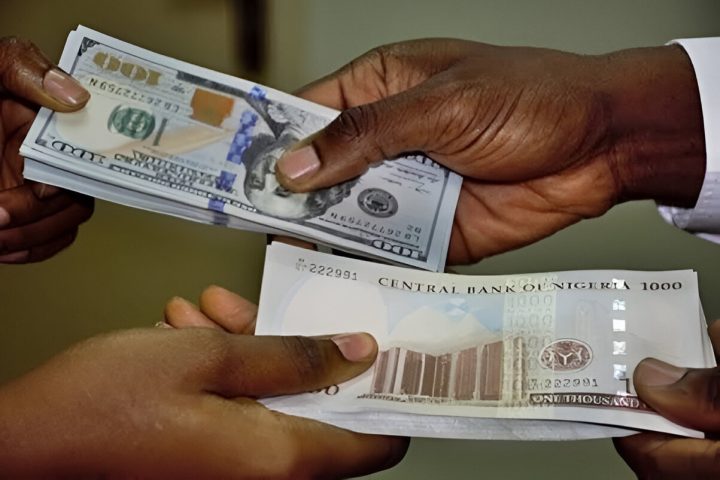
Nigeria’s external position has also shown signs of improvement. Oil production has gradually increased, strengthening export revenues. Meanwhile, foreign exchange reforms have improved transparency and encouraged the return of some portfolio investors.
These developments have helped stabilize the naira and restore confidence in local financial assets. Market analysts say these improvements could support a more stable investment environment.
Another important structural change involves the recapitalisation of Nigeria’s banking sector. The Central Bank of Nigeria has directed banks to significantly increase their capital base.
This directive is expected to trigger capital raising, mergers, and strategic restructuring across the banking industry. Stronger banks may expand their market share, while weaker institutions could pursue consolidation to meet new capital thresholds.
The recapitalisation exercise may also deepen Nigeria’s capital market. Banks raising capital will likely issue new equity and debt instruments. As a result, trading activity on the Nigerian Exchange could increase.
Recent reports suggest that most banks are already meeting the new requirements. More than thirty institutions have reportedly satisfied the capital rules ahead of the deadline. A few banks are still awaiting regulatory verification.
The process may create additional opportunities for investors as financial institutions restructure their balance sheets. Analysts believe this transition will strengthen the resilience of Nigeria’s banking system.
Domestic institutional investors may also play a bigger role in supporting market stability. Nigeria’s pension industry has grown rapidly over the past decade. Pension funds now control a significant pool of long-term capital.
Greater flexibility in pension fund asset allocation could increase investment in equities. Analysts believe stronger participation by pension funds could reduce the market’s reliance on volatile foreign capital flows.
Domestic institutional investment is increasingly viewed as essential for stabilizing Nigeria’s capital market. This stability becomes particularly important during periods of global financial uncertainty.
Despite these improvements, Nigeria’s fiscal position remains a major concern for economists. Government debt servicing continues to absorb a large share of public revenue.
This heavy burden limits fiscal space for infrastructure development and social spending. Without stronger revenue generation, the government may struggle to sustain long-term economic reforms.
Analysts also warn that fiscal constraints could weaken future economic growth if not addressed. Reduced investment in sectors such as education, healthcare, and infrastructure could affect long-term productivity.
Inflation remains elevated compared with historical levels, although some signs of moderation are emerging. Tighter monetary policy and improved exchange rate stability are gradually easing price pressures.
Current policy strategy focuses on maintaining currency stability rather than defending a fixed exchange rate. Policymakers are instead prioritizing improved foreign exchange liquidity and credible monetary policy.
This approach may help anchor inflation expectations while supporting a more stable macroeconomic environment.
Ultimately, Nigeria’s financial market outlook will depend on the consistency of economic reforms. Continued policy discipline could strengthen investor confidence and attract new capital inflows.
Both domestic and international investors are closely monitoring policy signals. Stable macroeconomic conditions would encourage deeper participation in Nigeria’s financial markets.
However, any reversal of reforms could quickly undermine the fragile confidence currently returning to the market.
For now, analysts remain cautiously optimistic. Nigeria appears to be moving beyond the initial shock of economic reforms. A more stable and earnings-driven investment environment may gradually emerge.
If reforms continue and fiscal management improves, Nigeria’s financial markets could enter a more sustainable phase of long-term growth.
READ: Tinubu UK State Visit Signals Stronger Nigeria-UK Ties