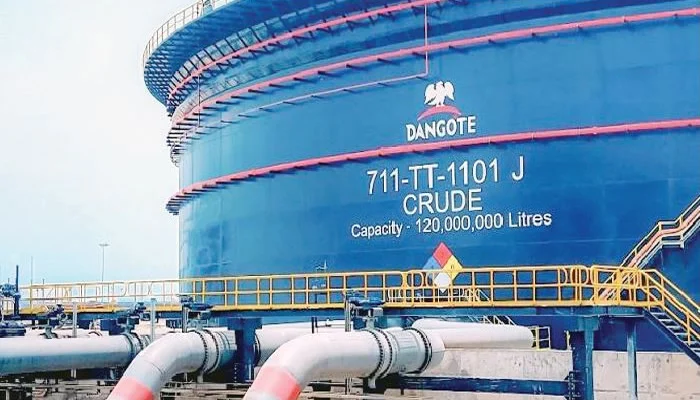
Aliko Dangote, Africa’s richest man, has once again clashed with Nigeria’s petroleum sector regulator, accusing it of allowing excessive fuel imports that undermine his recently operationalized refinery. The feud between Dangote and the Nigerian Midstream and Downstream Petroleum Regulatory Authority (NMDPRA) has escalated, as Dangote claims the regulator’s actions are not just damaging to his business but also to the country’s economy. This battle has implications not only for Nigeria’s oil industry but also for the broader dynamics of local versus imported fuel.
The Power Struggle: Dangote’s Escalation
The conflict between Dangote and the NMDPRA traces back to the commencement of operations at Dangote’s mammoth refinery in 2024. After years of anticipation, the refinery, touted as one of the largest in the world, began producing diesel and petrol to meet Nigeria’s domestic fuel needs. However, Dangote’s public feud with the regulator reached a boiling point when he accused NMDPRA of permitting the importation of what he called “substandard” fuel, which was undercutting market prices and harming his refinery’s ability to fully serve local demand.
In a recent statement, Dangote openly questioned the role of Ahmed Farouk, the head of NMDPRA, and accused him of engaging in “economic sabotage.” Dangote’s comments, made during a briefing in Lagos, included allegations that Farouk had misused public funds, notably criticizing the foreign education expenses for Farouk’s children, which he said could be investigated by the Code of Conduct Bureau. Dangote went further, warning that if Farouk denied the claims, he would take legal action to make the payments public.
NMDPRA’s Response: Fuel Imports a Necessity
In contrast, NMDPRA has defended its stance, emphasizing the necessity of fuel imports to fill the gap left by local refineries that still struggle to meet Nigeria’s growing fuel demand. According to the regulatory body, despite Dangote’s refinery’s contributions, the nation’s domestic fuel output is still not enough to cover consumption, which justifies the continued importation of petroleum products.
NMDPRA’s spokesman, George Ene-Ita, responded to Dangote’s allegations by stating that the regulator would not entertain “unsubstantiated claims” and instead would focus on addressing issues with concrete facts and figures. The regulator’s recent report indicated a surge in fuel imports, with the daily volume of petrol imports jumping from 28.9 million litres to 52.1 million litres in just a month. This increase was partly attributed to the inability of local producers to fill the demand gap.
Dangote’s Accusations of Economic Sabotage
At the heart of Dangote’s anger is his belief that NMDPRA’s approval of such large-scale imports is both unethical and detrimental to the Nigerian economy. He believes the actions of the regulator favor powerful interests in the oil sector, which he suggests are prioritizing personal gains over the national interest. Dangote, whose refinery now has the capacity to process 650,000 barrels of oil per day, contends that the continuous reliance on imports is an affront to the vision of self-sufficiency outlined by the Petroleum Industry Act.
Earlier in the year, Dangote filed a ₦100bn lawsuit against the NMDPRA, the Nigerian National Petroleum Corporation (NNPC), and major fuel marketers, accusing them of enabling the importation of low-quality fuel to harm his refinery’s business. Although he later withdrew the lawsuit, Dangote’s frustrations have not subsided. He continues to criticize what he sees as regulatory favoritism toward importers, despite his refinery’s capacity to meet local demand.
The Fight for the Soul of Nigeria’s Downstream Sector
The battle between Dangote and the regulator highlights deeper tensions within Nigeria’s downstream oil sector. Jide Pratt, a Lagos-based industry analyst, referred to the conflict as a fight for the “soul of the downstream oil sector.” According to Pratt, the accusations being thrown between Dangote and NMDPRA could disrupt the stability and predictability that had started to return to the sector after years of volatility.
As Dangote continues to call for an investigation into the regulator’s practices, some industry observers are questioning whether this is a fight for fair competition or a strategic ploy by Dangote to solidify his control over the Nigerian fuel market. Pratt raised concerns about the potential monopolistic implications of Dangote’s business strategy. He emphasized that while Dangote’s refinery has the capacity to supply the country’s fuel needs, allowing competition in the market is essential for long-term growth.
Increased Fuel Prices and Import Tariffs
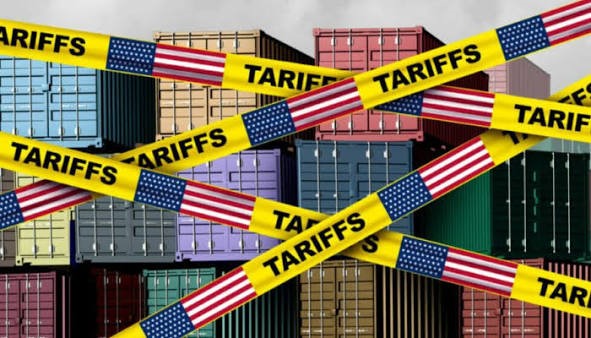
Compounding the issue is the 15% duty on imported fuels, which was approved by the Nigerian government in October 2025 to promote local refining. While this policy was intended to boost domestic production, it raised concerns among fuel importers about the potential for higher fuel prices at the pump. The new duty, initially set to take effect in January 2026, has since been postponed for further review. However, it has already added fuel to the fire of the ongoing regulatory dispute.
The implementation of tariffs on imported fuels, alongside Dangote’s continued expansion of refinery capacity, has the potential to reshape the pricing landscape. As the fight intensifies, Nigerians may soon see how the balance between local refining and fuel imports will impact fuel prices and availability.
Looking Ahead: Will Dangote Prevail?
As Dangote and the NMDPRA continue their public battle, the outcome will have significant implications for the future of Nigeria’s oil industry. Dangote’s influence and wealth provide him with the resources to challenge the status quo, while the NMDPRA and other oil sector regulators must find ways to maintain fuel availability and stabilize prices.
The battle over fuel imports, market dominance, and regulatory control is far from over, but it will be one to watch closely as it unfolds in the coming months. The ongoing conflict raises critical questions about the balance of power in Nigeria’s oil sector, the role of the government in regulating industry practices, and whether true competition can emerge in a sector long dominated by powerful interests.