Communities across northern and central Nigeria are living in constant fear as armed kidnapping gangs tighten their grip on rural villages, forcing thousands into silence and leaving families terrified to speak openly about the violence surrounding them. In regions where government presence is weak and security forces are stretched thin, residents say life has become a daily struggle to avoid provoking heavily armed bandits who roam freely through forests, highways, and farmlands.
For many villagers, the fear is so overwhelming that even acknowledging the gangs’ presence can invite deadly retribution. Survivors recount that armed groups frequently move from village to village, extorting money, abducting residents, stealing livestock, and attacking communities that resist. Nightfall triggers widespread anxiety, with families locking themselves indoors, extinguishing lights, and praying that their homes will be spared.
A Climate of Terror in Rural Communities
Kidnapping for ransom has surged dramatically in Nigeria over the past five years, evolving from sporadic incidents to a highly organized criminal industry. In some states, particularly Kaduna, Katsina, Niger, Zamfara, and Benue, villagers say they no longer venture beyond certain areas for fear of being abducted while farming, fetching water, or traveling to nearby markets.
Armed gangs—often numbering in the dozens and carrying automatic weapons—frequently block rural roads, storm houses, and abduct groups of villagers at once. Residents describe the sound of motorcycles late at night as a chilling reminder that another raid may be imminent.
Local leaders, fearing retaliation, rarely speak publicly about the problem. Many say security agencies respond slowly or lack the resources to confront the well-armed groups who operate from remote forest hideouts.
Families Torn Apart by Ransom Demands
For families whose loved ones have been kidnapped, the ordeal is financially and emotionally devastating. Ransom demands often run into millions of naira, forcing relatives to sell farmland, livestock, and personal property to secure the release of abducted family members. Others resort to borrowing money from community associations or taking high-interest loans.
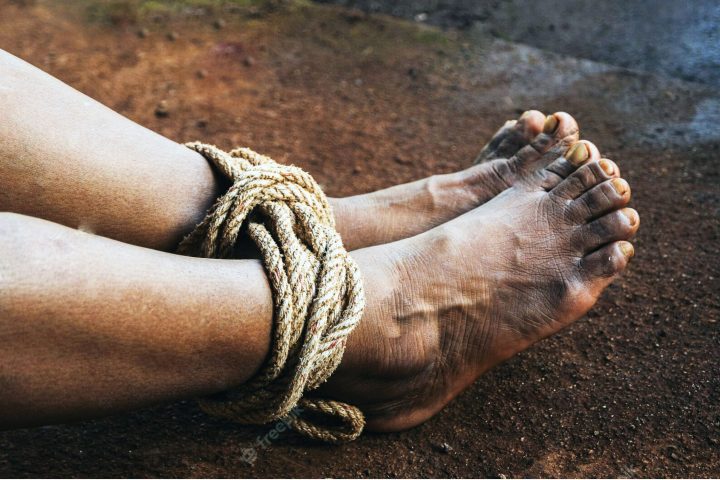
Many villagers say negotiations are risky, and some kidnappers become violent if they believe families have delayed payment. Survivors recount beatings, starvation, and threats of execution during captivity.
In cases where ransom cannot be paid, hostages may be held for months or killed. These tragedies fuel fear across entire districts, deepening the sense of helplessness and silence.
Security Forces Struggle to Contain the Crisis
Nigeria’s security agencies continue to launch operations aimed at dismantling bandit networks, but villagers say the efforts are inconsistent and often fail to provide long-term protection. Forest terrain, limited resources, and shifting political priorities complicate sustained operations in remote areas where gangs operate with near impunity.
Experts argue that the scale of the kidnapping crisis requires a coordinated response across federal, state, and local authorities—combining military pressure with improved intelligence, community policing, and socio-economic reforms. Without such collaboration, villagers remain vulnerable.
A Humanitarian Challenge Growing in Silence
The impact of kidnapping gangs extends beyond physical danger. Schools have closed in several affected communities, as parents refuse to risk sending their children out of sight. Medical emergencies become life-threatening due to fear of traveling to hospitals. Agricultural output has declined as farmers avoid remote fields, impacting local food supplies and incomes.
Aid workers warn that the psychological toll is severe. Many residents suffer trauma from witnessing violence, losing loved ones, or living under constant threat. Yet few speak openly, fearing that even discussing their experiences could make them targets.
Communities Plead for Safety and Stability
Despite the widespread fear, villagers continue to appeal for stronger protection, urging authorities to prioritize long-term security in the region. They ask for consistent military presence, better communication systems, and economic support to rebuild their livelihoods.
For now, however, daily life remains overshadowed by uncertainty. As one resident put it, “We are living quietly, carefully, and prayerfully. You do not talk too much here. You just hope they do not come for you next.”