Nigeria’s oil industry is expanding rapidly. Daily crude production now ranges between 1.7 and 1.83 million barrels. Active drilling rigs rose from 31 in January to 50 by July 2025.
Analysts credit the growth to reforms under President Bola Tinubu. His “Project One Million Barrels” plan and the Petroleum Industry Act (PIA) have created an investor-friendly climate.
Government data shows renewed investor confidence. Clearer regulations and predictable policies have attracted over US $5.5 billion in new investments. These projects may push output even higher and strengthen Nigeria’s role in global energy markets.
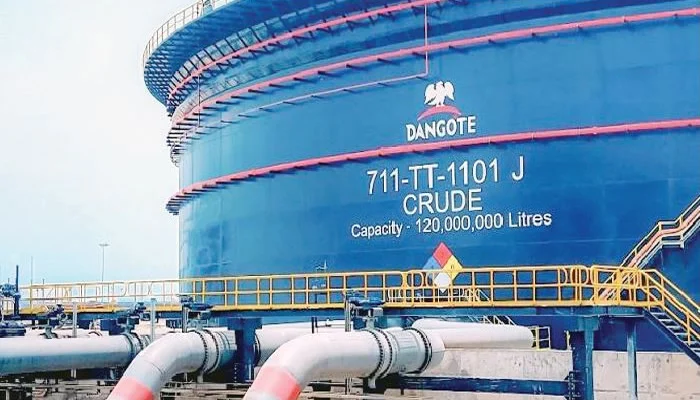
Still, the sector faces risks. A brief strike by the oil workers’ union PENGASSAN cut output by 16%, about 283,000 barrels per day. The protest followed the dismissal of over 800 workers at the Dangote Refinery, Africa’s largest.
During the strike, key facilities—like the Bonga field, Oben gas plant, and NGL trains—paused operations. Power generation dropped by 1,200 MW, and export cargoes faced costly delays.
The government stepped in quickly and negotiated an end to the strike.
The contrast is clear: Nigeria’s reforms are boosting output, but the system remains fragile. Labor unrest, poor infrastructure, and weak planning still threaten progress. Experts urge the government to strengthen labor relations, maintain facilities, and create backup plans.
If Nigeria sustains its reforms, it could reduce dependence on imported fuel. Yet the recent strike shows how a single disruption can erase major gains. For lasting growth, all stakeholders must cooperate to ensure steady, secure production.