Shell Plc, through its Nigerian subsidiary — Shell Nigeria Exploration and Production Company (SNEPCo) — has taken a major step toward strengthening Nigeria’s gas industry. In partnership with Sunlink Energies & Resources Limited, Shell has announced the Final Investment Decision (FID) for the HI offshore gas field, located in Oil Mining Lease (OML) 144, about 50 kilometres off the Nigerian coast.
This project, years in the making, aims to unlock significant gas resources to boost Nigeria’s liquefied natural gas (LNG) supply, increase exports, and reinforce the nation’s energy and economic stability.
Key Facts About the HI Gas Project
Location and Scope:
The HI field sits in relatively shallow waters — about 100 metres deep — offshore Nigeria. It is part of a region rich in untapped gas potential, long identified as critical to Nigeria’s energy diversification strategy.
Ownership and Partnership:
Sunlink Energies holds a 60% operating interest in the field, while Shell, through SNEPCo, holds the remaining 40%. This partnership combines Sunlink’s regional expertise with Shell’s global technical and financial capabilities.
Output and Resource Potential:
At its peak, the HI field is expected to produce around 350 million standard cubic feet of gas per day, equivalent to roughly 60,000 barrels of oil equivalent per day. The recoverable reserves are estimated at about 285 million barrels of oil equivalent.
Infrastructure Development:
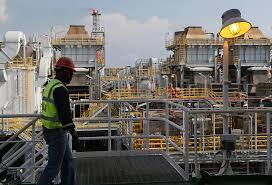
The project will feature a four-well wellhead platform, an export pipeline from the offshore site to Bonny Island, and a gas processing plant onshore. Once processed, the gas will be channelled into the Nigeria LNG (NLNG) network, while condensates will be exported via the Bonny Oil and Gas Export Terminal.
Timeline:
Construction and installation activities are expected to accelerate over the next few years, with production targeted before 2030, provided development milestones remain on track.
Strategic Importance for Shell and Nigeria
For Shell
The HI gas field fits directly within Shell’s Integrated Gas and Deepwater Growth Strategy, which aims to expand LNG feedstock and enhance export capabilities. The company has pledged to increase its LNG portfolio by 4–5% annually through 2030, and projects like HI are key enablers of this target.
In recent years, Shell has shifted away from Nigeria’s onshore oil operations due to operational challenges and security risks. Offshore gas fields like HI offer a safer and more stable environment, aligning with Shell’s long-term strategy for sustainable, lower-carbon growth.
For Nigeria
For the Nigerian government, the HI project represents progress toward energy diversification and economic revival. It will feed directly into Nigeria LNG’s Train 7 expansion, increasing LNG output and export capacity. The project also promises job creation, foreign investment, and technology transfer, supporting Nigeria’s ambition to become a major global gas supplier.
Moreover, it signals renewed investor confidence in Nigeria’s regulatory reforms and efforts to streamline project approvals under President Bola Tinubu’s administration.
Economic and Policy Context
The HI gas field was first discovered in 1985, but development stalled for decades due to fiscal and bureaucratic challenges. The new investment decision marks a breakthrough under Nigeria’s reformed Petroleum Industry Act (PIA) framework, which seeks to attract long-term investment through better fiscal incentives and simplified licensing.
In the past 18 months, Nigeria has witnessed multiple significant FIDs, including Bonga North and Ubeta, reflecting momentum in the energy sector. Each project contributes to Nigeria’s goal of transforming from an oil-dependent economy to a gas-driven powerhouse.
Expected Benefits
1. Increased Gas Supply
The HI field will significantly strengthen gas availability for both domestic and export markets. More gas supply means improved electricity generation, enhanced industrial output, and stronger energy security.
2. Boost to LNG Exports
With direct connections to the NLNG plant, the HI field will help sustain and expand LNG exports to Europe and Asia — vital markets in the global energy landscape.
3. Economic Growth and Job Creation
Thousands of Nigerians are expected to benefit from employment opportunities, especially in construction, engineering, logistics, and maintenance. The influx of foreign capital will stimulate local businesses and service providers.
4. Environmental Advantages
Natural gas, while still a fossil fuel, emits less carbon dioxide than coal or oil. When combined with Shell’s efforts to minimize flaring and methane leaks, the project could support Nigeria’s transition toward cleaner energy.
5. Strengthened Investor Confidence
A successful rollout of the HI project will reassure other potential investors that Nigeria’s energy reforms are producing tangible outcomes. This confidence can attract more exploration and production commitments.
Key Challenges and Risks
Despite optimism, several hurdles remain:
- Regulatory Delays: Nigeria has improved its approval process, but bureaucratic inefficiencies and inconsistent enforcement could still delay progress.
- Environmental Risks: Offshore operations always carry the danger of spills, leaks, and ecological disruption. Environmental monitoring and community engagement will be vital.
- Security Concerns: Maritime insecurity and vandalism in the Niger Delta region could pose operational threats.
- Market Volatility: Global LNG prices and demand fluctuate with economic cycles, renewable energy growth, and climate policies.
- Infrastructure Constraints: Logistics and maintenance remain major concerns. Timely delivery of pipelines and processing equipment will determine the project’s schedule.
Broader Implications for Energy Transition
Gas plays a pivotal role in Shell’s and Nigeria’s energy transition strategies. For Shell, it bridges the gap between traditional hydrocarbons and renewable energy. For Nigeria, it is the backbone of the national “Decade of Gas” initiative — designed to harness domestic gas for power, manufacturing, and exports.
However, environmental groups continue to question the sustainability of new gas investments amid global decarbonization efforts. To maintain credibility, Shell and its partners must adopt strict emission controls, minimize flaring, and enhance transparency around environmental impacts.
Political and Community Response
The Nigerian government has welcomed the project, calling it a “vote of confidence in Nigeria’s energy reforms.” President Tinubu emphasized that investments like HI demonstrate that Nigeria remains a reliable and profitable destination for energy ventures.
Local communities have also shown cautious optimism, hoping the project will translate into real development benefits — including training programs, local procurement, and infrastructure improvements. Effective community relations will be essential to prevent future disputes or disruptions.
Looking Ahead
Over the coming years, progress on the HI field will serve as a litmus test for Nigeria’s ability to manage complex, high-value gas developments efficiently. The project’s success could influence future FIDs in the region and shape West Africa’s position in the global LNG trade.
Observers will be watching the NLNG Train 7 expansion, environmental management plans, and Shell’s performance in maintaining transparency and efficiency.
If executed responsibly, the HI offshore gas project could become one of the most significant energy achievements of the decade, reinforcing Nigeria’s place as a global gas powerhouse.