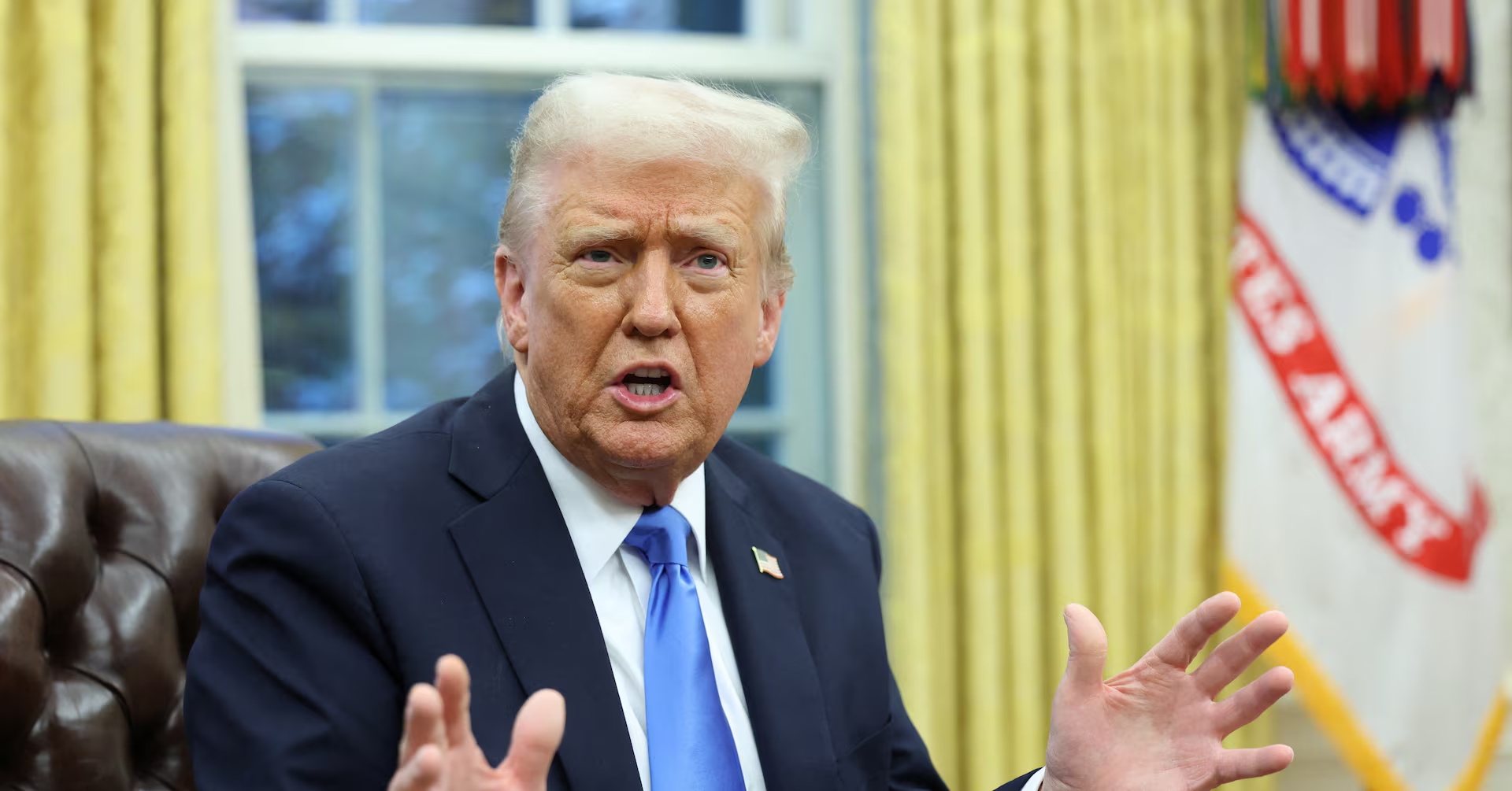
The Announcement
On October 31, 2025, President Donald Trump announced that Nigeria would be designated as a “Country of Particular Concern” (CPC) under the U.S. International Religious Freedom Act due to alleged large-scale violence targeting Christians.
He declared that “Christianity is facing an existential threat” in Nigeria and pointed to thousands of deaths among Christian communities.
He also ordered U.S. Congress members to investigate the claims and report back findings.
Why Nigeria?
- According to reports, Nigeria has seen a marked rise in violence against Christian groups—particularly in the Middle Belt and northern regions—allegedly involving extremist groups such as Boko Haram, Islamic State West Africa Province (ISWAP) and armed herders.
- The U.S. State Department had already flagged deep concern earlier in October about violence against Christians and other religious groups in Nigeria.
- The CPC designation activates U.S. legal mechanisms that allow for possible sanctions, suspension of aid (other than humanitarian), and increased diplomatic pressure.
The Implications
Diplomatic & human-rights impact:
By placing Nigeria on the CPC list, the U.S. signals that it views religious violence there not just as a domestic issue for Nigeria, but as a matter of international concern. This can heighten scrutiny on Nigeria’s government, security forces and responses to violence.
Aid and sanctions:
While the CPC label does not immediately impose sanctions, it opens the door for them. The U.S. could suspend certain forms of support, particularly non-humanitarian assistance, unless Nigeria meets benchmarks for religious freedom.
Nigeria’s response and credibility issues:
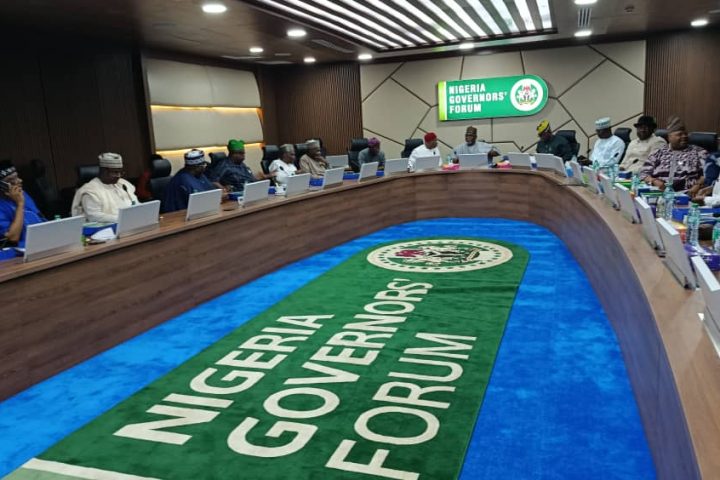
The Nigerian government rejected claims of targeted Christian genocide, saying violence in the country affects both Christians and Muslims and is driven by banditry, herder-farmer clashes and terrorism.
Nigeria, Africa’s most populous country and a major oil producer, also plays a strategic role in the region. Some analysts say this complicates how aggressively the U.S. may act.
Background: What’s Driving the Violence?
- In Nigeria’s Middle Belt, predominantly Christian farming communities clash with mainly Muslim Fulani herders over land and grazing rights. These conflicts increasingly adopt religious narratives.
- Islamist militant groups like Boko Haram and ISWAP operate in the north and have targeted Christian villages, church services and clergy.
- Rights groups report that Nigeria ranks among the highest globally in numbers of Christians killed for their faith.
Challenges Ahead
- Verification and causation: Nigerian authorities say many attacks stem from ethnicity, land disputes or criminals, not purely religion. This makes pinpointing “religious persecution” difficult.
- Implementation of reforms: If Nigeria accepts reforms, the process will require strengthening institutions, security measures and inter-communal dialogue—none of which are quick fixes.
- Geopolitical balancing act: The U.S. must balance religious freedom concerns with strategic, security and economic interests in Nigeria and the broader region.
- Domestic backlash: The CPC designation could provoke nationalistic pushback in Nigeria, possibly hardening the government’s stance instead of encouraging cooperation.
What Comes Next
- U.S. lawmakers have already begun investigations into the violence and Nigeria’s response.
- Nigeria’s government will face pressure both internationally and domestically to clarify statistics, improve protections for religious minorities and act on the CPC list’s benchmarks.
- If Nigeria fails to improve, the U.S. may ramp up sanctions or reduce bilateral cooperation. Conversely, Nigeria could use this as an impetus for reforms to restore its standing.
- Civil society and faith organisations within Nigeria and abroad will likely increase their monitoring of violence, displacement and persecution patterns.
Why It Matters for Africa and Kenya
- Nigeria is a regional giant. How it handles religious violence has ripple effects across West Africa and the Sahel.
- The move sets a precedent for U.S. engagement on religious freedom in Africa—not just in small states but major players.
- For Kenya, which also grapples with interfaith tensions and extremist threats, this story underscores the growing importance of religious-freedom frameworks in international diplomacy and aid policy.
Conclusion
President Trump’s announcement puts Nigeria squarely in the spotlight for alleged massive religious-freedom violations. The CPC designation is a strong signal—but not yet a sanction.
Whether this move leads to meaningful change will depend on Nigeria’s cooperation, verification of claims, and the international community’s ability to follow through with diplomacy, reform and accountability.