1. ICJ Ruling on Gaza: Aid Access and Humanitarian Obligations
On 22 October 2025, the International Court of Justice (ICJ) issued an advisory opinion declaring that Gaza and the occupied Palestinian territories must receive uninterrupted humanitarian assistance. The court stated that Israel, as the occupying power, has a legal duty to allow and facilitate aid.
According to the ruling, Israel must ensure food, water, medicine, and shelter reach civilians without obstruction. It also emphasized that humanitarian agencies, including the UN Relief and Works Agency for Palestine Refugees (UNRWA), should be allowed to operate freely.
Although advisory opinions are not legally binding, they carry significant moral and legal authority. Observers said the ruling strengthens international humanitarian law in conflict zones, especially in Gaza, where the crisis remains severe.
Reactions and Global Response
Israel rejected the ruling, calling it politically biased. It also announced it would not cooperate with UNRWA, citing security concerns. In contrast, many nations and humanitarian organizations praised the ICJ decision. They said it reaffirms the legal standards protecting civilians during armed conflict.
The court’s guidance directly impacts how humanitarian operations function in Gaza. It reinforces that starving civilians or blocking relief is illegal under international law. This decision adds a new layer of accountability for all parties involved in the conflict.
Why the Ruling Matters
This ruling is significant because it defines the legal boundaries of Israel’s obligations as an occupying power. It also strengthens the rights of aid workers and civilians in war-torn areas. In Gaza, where over two million people face food insecurity, this decision provides a lifeline.
However, compliance remains uncertain. Israel’s rejection could limit real-world impact, and aid convoys often face dangers even when legally protected. Enforcement depends largely on global diplomatic pressure.
Challenges Ahead
- Implementation: Without enforcement, legal rulings may remain symbolic.
- Security: Active conflict zones continue to threaten aid convoys and relief staff.
- Political resistance: Ongoing hostilities could delay humanitarian delivery.
Despite the obstacles, the ICJ’s decision represents a crucial reaffirmation of humanitarian law and global solidarity with civilians trapped in war.
2. Ukraine Nuclear Safety: Zaporizhzhia Plant Still at Risk
In Ukraine, nuclear safety remains a top concern. The Zaporizhzhia Nuclear Power Plant (ZNPP), Europe’s largest, has been under Russian control since 2022. Frequent power outages have endangered the plant’s cooling systems, which are essential for preventing radiation leaks.
On 18 October 2025, Ukrainian and Russian engineers agreed to temporary local cease-fires to repair damaged transmission lines. Five days later, on 23 October, power was finally restored to the plant. The International Atomic Energy Agency (IAEA) called this restoration “a vital step for nuclear safety.”
Before the power came back, the facility had relied on emergency diesel generators for nearly a month. Such a situation, experts warned, is unsustainable and dangerous.
Why the Situation Is Critical
Nuclear reactors depend on external power to cool their cores. If cooling fails, it could lead to a meltdown or radiation release. The Zaporizhzhia plant has faced multiple blackouts since the war began, showing how fragile its situation remains.
The facility lies in an active combat zone, where shelling or miscalculation could have catastrophic consequences. It highlights how modern warfare endangers infrastructure that affects millions far beyond the battlefield.
Broader Consequences
A nuclear accident in Ukraine would cross borders, threatening Europe’s environment and public health. The IAEA continues to monitor the plant and negotiate access between both sides. Its mission is to prevent an incident that could echo the disasters of Chernobyl or Fukushima.
Looking Ahead
The world is watching several key developments:
- Whether repaired power lines remain stable.
- If both sides can guarantee safety zones around the plant.
- Whether the IAEA gains full, ongoing access.
Ukraine’s nuclear crisis underscores how wars in the modern era extend far beyond front lines. They threaten ecosystems, health, and long-term regional stability.
3. Nigeria’s IDPs: From Emergency Aid to Lasting Solutions
In Africa, Nigeria continues to face one of the world’s largest internal displacement challenges. Millions of Nigerians have fled their homes due to insurgency, floods, and communal violence — especially in the northeast.
Recently, the United Nations praised Nigeria for advancing durable solutions for its internally displaced persons (IDPs). During a joint mission, agencies like the IOM, UNHCR, and UNDP worked with Nigerian authorities to transition from short-term aid to long-term recovery.
From Relief to Recovery
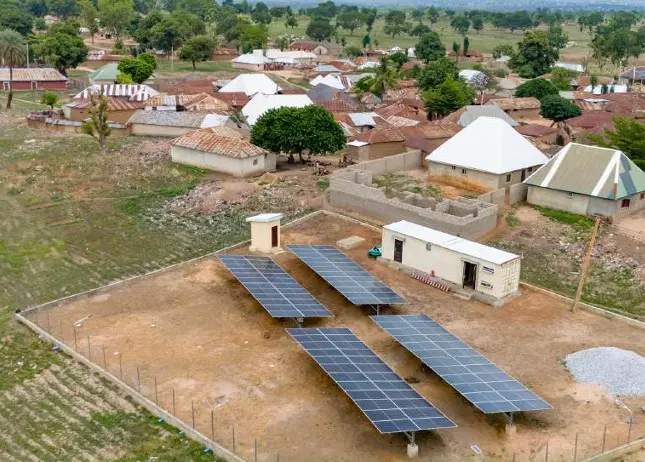
Yobe State offers a leading example. The state now dedicates 24% of its annual budget to a “Durable Solutions Action Plan” for IDPs — one of the largest allocations globally. The plan focuses on rebuilding homes, restoring livelihoods, and integrating displaced people into local economies.
Officials said the goal is to move beyond temporary camps toward stable, self-reliant communities. By investing in development-led recovery, Nigeria aims to reduce dependence on humanitarian aid.
Why It Matters
Protracted displacement weakens economies, limits education, and fuels instability. Nigeria’s new model links development, security, and human welfare. It suggests that long-term peace depends not only on ending violence but also on rebuilding communities.
This approach may inspire other African nations facing similar crises. It also signals a broader UN trend — shifting from emergency response to development-based recovery.
Key Obstacles
- Security: Continued insurgent attacks can reverse progress.
- Funding: Development projects need stable, long-term financing.
- Integration: IDPs must be accepted by host communities to prevent tension.
- Coordination: Federal, state, and local agencies must share accurate data and strategies.
If sustained, Nigeria’s initiative could become a global model for managing displacement through empowerment rather than dependence.
What to Watch
- Whether Nigeria includes durable displacement solutions in its 2026–2030 National Development Plan.
- How effectively the private sector supports reintegration.
- Whether the model inspires regional replication in West Africa.
Connecting the Threads
Though Gaza, Ukraine, and Nigeria face vastly different crises, the themes are deeply connected. Each case reveals how conflict strains humanitarian systems, infrastructure, and governance.
- In Gaza, the issue is legal and moral: enforcing humanitarian access.
- In Ukraine, the threat is environmental and technological: securing nuclear safety in war.
- In Nigeria, the challenge is social and developmental: restoring stability through inclusion and recovery.
Each situation also underscores the importance of international institutions — the ICJ, IAEA, and UN agencies — in safeguarding global norms and offering coordination.
Final Reflection
These stories collectively highlight a truth about our era: humanitarian, legal, and security crises are intertwined. Conflict anywhere now reverberates everywhere.
In Gaza, the ICJ’s ruling reminds the world that law must guide compassion. In Ukraine, nuclear risk warns how fragile safety becomes in war. In Nigeria, resilience through development shows that even amid displacement, recovery is possible.
Together, they show that peace is not just the absence of war — it is the presence of justice, safety, and opportunity for every human being.