About 100 U.S. military personnel have arrived in Nigeria as Washington scales up operations against Islamist insurgents, a Nigerian defence spokesperson confirmed on Monday. The deployment brings additional American troops to support local forces battling militant groups in the country’s volatile northern regions. The arrival follows U.S. airstrikes against Islamic State-linked militants in December.
Major General Samaila Uba, spokesperson for Nigeria’s Defence Headquarters, confirmed that the troops would train and advise local forces. He emphasized that they will not take part in combat operations. The mission focuses on enhancing Nigerian capabilities rather than direct engagement with insurgents. A small U.S. military team has already been operating on the ground to boost Nigeria’s intelligence gathering capacity.
The fact that more US military personnel arrive now reflects deepening security cooperation between the two nations. Flight tracking data reviewed by Reuters showed several planes carrying U.S. troops and equipment heading to Nigeria’s northern states in recent days. This logistical movement preceded the official announcement by Nigerian defence officials.
Context of Recent Operations
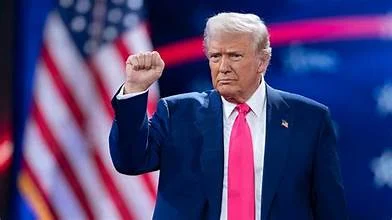
President Donald Trump has publicly accused Nigeria of failing to protect Christians from Islamist militants in the northwest. This criticism adds a political dimension to the security cooperation. Nigeria denies discriminating against any religion, stating that its security forces target armed groups that attack both Christians and Muslims equally.
In December, the U.S. carried out airstrikes targeting Islamic State-linked militants in Nigeria. Those strikes signaled a more active American role in the region’s counterterrorism efforts. The current deployment of additional personnel builds on that operational foundation. The small team already on the ground has focused on improving Nigerian intelligence capabilities, a critical gap in previous counterinsurgency efforts.
Earlier this month, Nigeria’s military indicated it expected around 200 more U.S. troops. The current arrival of approximately 100 personnel represents the first wave of that anticipated deployment. Further arrivals may follow as the cooperation framework expands.
Nigerian Request for Support
Presidential spokesperson Sunday Dare articulated Nigeria’s position on the cooperation. He stated that Nigeria needs “massive support from the U.S. government” in terms of fighter jets and munitions. However, he declined to give specific numbers or a timeframe for such equipment transfers. This request highlights the material challenges Nigerian forces face in their long-running counterinsurgency campaign.
The distinction between personnel and equipment is significant. Training and advisory missions require different authorization than weapons transfers. The U.S. Congress imposes various restrictions on arms sales and military aid, particularly regarding human rights and civilian protection. Nigeria’s military has faced accusations of human rights abuses in its counterinsurgency operations, which could complicate weapons approvals.
When more US military personnel arrive, they bring expertise rather than firepower. The advisory mission aims to improve how Nigerian forces plan and execute operations. Intelligence sharing helps identify insurgent positions and movements. Training programs build capacity that outlasts the American presence.
Security Situation in Nigeria
Nigeria faces multiple security challenges across its vast territory. Boko Haram and the Islamic State West Africa Province have waged a insurgency in the northeast for over a decade. These groups have killed tens of thousands and displaced millions. Despite military campaigns against them, they retain the ability to strike military targets and civilian populations.
The northwest has experienced a different but equally deadly security crisis. Criminal gangs, sometimes with ideological links to insurgent groups, carry out mass abductions, killings, and looting. The region’s kidnapping epidemic has drawn international condemnation and domestic outrage. Trump’s comments about Christian persecution reference attacks in this area, though militants target Muslims as well.
Nigeria’s 240 million people are roughly evenly split between Christians, mainly in the south, and Muslims, mainly in the north. This religious divide adds sensitivity to any discussion of persecution. The government maintains that it protects all citizens equally, but local realities often differ from official position
Operational Scope and Limits
The advisory mission faces inherent limitations. U.S. personnel cannot accompany Nigerian troops on combat operations. They cannot call in airstrikes or provide direct fire support. Their role remains strictly limited to training, advising, and intelligence sharing. This restricted mandate reflects U.S. policy choices and Nigerian sovereignty concerns.
Effectiveness depends on Nigerian willingness to implement advice and Nigerian capacity to conduct operations. Past training missions have produced mixed results. Some Nigerian units have performed well after U.S. training. Others have reverted to previous practices or seen trained personnel reassigned to non-combat roles. Sustained improvement requires institutional change, not just individual training.
Intelligence sharing offers more immediate benefits. U.S. surveillance assets can identify insurgent concentrations and movements. Satellite imagery and signals intelligence provide insights that Nigerian forces cannot generate independently. When combined with Nigerian ground knowledge, this intelligence can enable more effective operations.
Regional Implications
The expanded U.S. presence in Nigeria has implications for neighboring countries. Lake Chad Basin nations, including Niger, Chad, Cameroon, and Nigeria, cooperate against shared insurgent threats. U.S. support for Nigeria could benefit the entire region if information sharing extends across borders. Alternatively, it could create jealousies if neighbors feel excluded.
The Sahel region has seen significant U.S. and European military engagement against Islamist insurgents. Operations in Niger, Burkina Faso, and Mali have involved special forces, drones, and training missions. Political instability in some Sahel nations has complicated these efforts. Nigeria’s relative political stability makes it an attractive partner for sustained engagement.
When more US military personnel arrive in Nigeria, the deployment occurs against this regional backdrop. The U.S. maintains interests across West Africa, including counterterrorism, counter-narcotics, and maritime security. Nigeria, as the region’s largest economy and most populous nation, serves as a anchor for these broader efforts.
Future Trajectory
The current deployment may expand if both governments find the cooperation beneficial. Nigeria’s request for fighter jets and munitions suggests appetite for deeper engagement. U.S. willingness to provide such equipment depends on Nigerian performance and political considerations. Congressional oversight and human rights concerns could limit what Washington provides.
The Trump administration’s public criticism of Nigeria adds complexity. Public statements about Christian persecution create pressure on the Nigerian government. They also generate domestic political support in the U.S. for continued engagement. However, they risk creating resentment among Nigerian officials who feel unfairly characterized.
For Nigerian forces, the additional U.S. personnel offer expertise and intelligence that could improve operational effectiveness. The counterinsurgency campaign has continued for over a decade without decisive victory. New approaches and capabilities could shift the balance. Whether this deployment achieves that outcome depends on implementation and sustained commitment from both nations. As more US military personnel arrive and begin their advisory mission, Nigerian security forces will determine how effectively they translate American support into battlefield results.