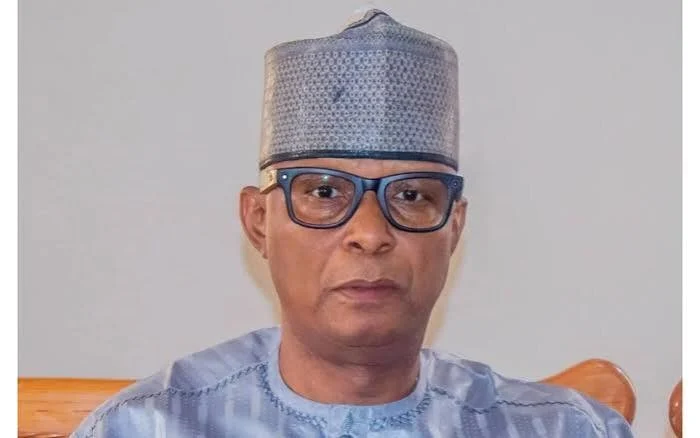
Nigeria’s President Bola Ahmed Tinubu urged citizens to remain hopeful, declaring that the country’s “worst days are over” despite ongoing economic hardship. He made the remarks on October 1, during his Independence Day address marking 64 years since Nigeria’s liberation from British rule.
Tinubu acknowledged the difficulties many Nigerians face, including rising food prices, inflation, and unemployment. He admitted that the government’s economic reforms—particularly the fuel subsidy removal and foreign exchange unification—have caused short-term pain. However, he insisted the policies are necessary to build a stronger economy in the long run.
“We have taken tough decisions, but these sacrifices will yield lasting prosperity. The worst is over,” Tinubu said in a televised broadcast.
He promised targeted relief programs to cushion the impact on low-income households, including cash transfers, food distribution, and youth employment initiatives. Tinubu also highlighted efforts to stabilize the naira and attract foreign investment.
Despite his assurances, many Nigerians remain skeptical. Citizens and labour unions argue that living conditions continue to worsen, with inflation exceeding 30% and food insecurity spreading. The Nigeria Labour Congress (NLC) has threatened further protests if wages are not reviewed.
Economists say the reforms could eventually restore investor confidence but warn of deeper hardship if social safety nets fail.
As Nigeria celebrates its independence, the government faces mounting pressure to deliver on its promises and rebuild public trust.