A Tunisian appeal court has upheld and increased lengthy jail terms for prominent opposition figures and former security officials. The court handed down sentences in a mass trial accusing defendants of conspiring against the state. Among those sentenced were opposition leader Rached Ghannouchi, whose term increased to twenty years, and former presidential chief of staff Nadia Akacha, who received a thirty-five year sentence in absentia. Consequently, this ruling intensifies President Kais Saied’s crackdown on dissent, targeting both political opponents and former insiders who have turned critical.
The court issued verdicts for twenty-one individuals in the conspiracy case. Ten are already in custody, while eleven, including Akacha and former intelligence chief Kamel Guizani, are abroad. The accused uniformly deny the charges, calling them politically fabricated to silence Saied’s opponents. This legal action follows Saied’s 2021 dissolution of parliament and assumption of ruling by decree, which opposition figures label a coup that dismantled Tunisia’s post-Arab Spring democracy. Saied defends his actions as legal measures to end chaos and corruption.
Details of the Sentences and Key Figures
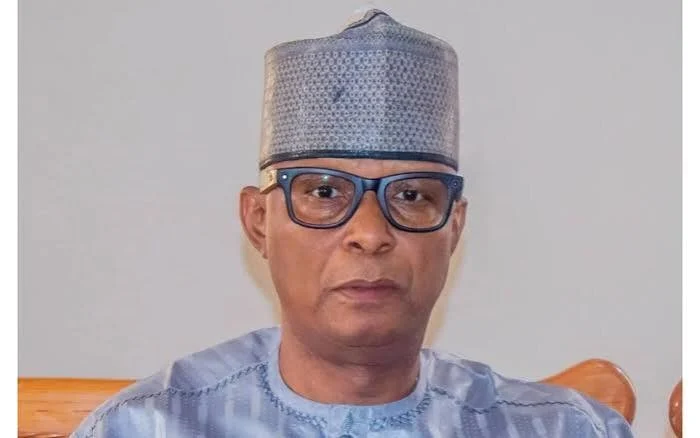
The most prominent figure is Rached Ghannouchi, the 84-year-old leader of the Ennahda party. His sentence was increased from fourteen to twenty years. Combined with previous convictions on other charges, his total jail terms now amount to fifty years, effectively a life sentence. Ghannouchi, the former parliament speaker, has been imprisoned since 2023. His son, Mouadh Ghannouchi, also received a upheld thirty-five year sentence in absentia.
Nadia Akacha, once President Saied’s chief of staff, is a significant target. Her thirty-five year sentence in absentia signals the regime’s pursuit of former allies who have fled. Former foreign minister Rafik Abdessalem and ex-intelligence chief Kamel Guizani also received upheld thirty-five year sentences. The severity of these jail terms, particularly for figures outside the country, appears designed to deter dissent and demonstrate the reach of Saied’s judicial campaign, even against those who have escaped Tunisia.
Political Context of the Crackdown
The mass trial is part of a broader systematic repression since President Saied’s power grab in July 2021. He dissolved the elected parliament, dismissed the government, and began ruling by decree. He later dissolved the independent Supreme Judicial Council and purged dozens of judges, consolidating control over the judiciary. These moves reversed Tunisia’s democratic gains from the 2011 Arab Spring, which began in the country. Opposition leaders, journalists, and critics have been routinely imprisoned on charges widely seen as politically motivated.
Saied justifies his actions as necessary to rescue the state from a corrupt political elite and chronic instability. He frames the legal cases as legitimate prosecutions for conspiracy and other crimes. However, international human rights organizations and Western governments have repeatedly condemned the crackdown, citing the erosion of judicial independence and the use of the legal system to punish political opposition. The latest harsh jail terms will likely deepen Tunisia’s isolation and strain relations with traditional partners like the European Union.
International Reactions and Implications
The international response is likely to be sharply critical. The increased jail terms for an aging opposition leader like Ghannouchi will be seen as particularly harsh. The EU, which has a close association agreement with Tunisia including financial support, faces a dilemma. It seeks cooperation on migration but is committed to upholding human rights and democratic principles. This ruling may force a reevaluation of that relationship and could lead to calls for targeted sanctions against officials involved in the crackdown.
Regionally, the verdict signals that Saied feels secure enough to escalate his repression despite economic difficulties and social discontent. It may embother other authoritarian leaders in the region while discouraging pro-democracy activists. For the Tunisian opposition, both inside and in exile, the ruling is a devastating blow. It narrows any remaining space for legal political contestation and suggests that only regime change or external pressure could alter the current trajectory.
The State of Tunisian Democracy and Future Outlook
Tunisia’s democratic experiment is effectively over. The independence of the judiciary has been destroyed, the legislature is neutered, and the presidency holds unchecked power. The latest jail terms demonstrate the use of the courts as an instrument of political repression. This marks a full return to the pre-2011 authoritarian model, albeit under a different ideological banner. The promise of the Arab Spring has been extinguished in its birthplace.
Looking ahead, further repression is probable. Saied shows no inclination to dialogue or reconciliation. The economy remains troubled, and social tensions are high, but the regime’s security apparatus appears firmly in control. The opposition is fragmented, with its leaders jailed or exiled. Without a dramatic shift, either from internal unrest or overwhelming external pressure, Tunisia’s political future is one of entrenched autocracy, with dissent met by severe jail terms and persecution.