Ugandans head to the polls on January 15, 2026, in a pivotal presidential contest. The election presents a stark generational and political choice. Incumbent President Yoweri Museveni, 81, seeks a seventh term and a fifth decade in power. His main challenger is 43-year-old pop star turned politician Bobi Wine. The campaign has been marked by disruption of opposition activities and allegations of repression. With high youth unemployment in a country where most citizens are under 30, the economy is a central issue. Consequently, this Uganda election is a critical test for the nation’s democratic trajectory.
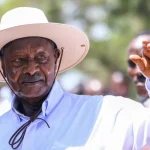
President Museveni first took power by force in 1986. He leads the National Resistance Movement (NRM). Initially seen as a reformer, he now faces growing accusations of authoritarian rule. Constitutional amendments have removed term and age limits, allowing his prolonged tenure. He argues he alone guarantees stability and progress. Conversely, Bobi Wine, whose real name is Robert Kyagulanyi, leads the National Unity Platform (NUP). He is seen as the vehicle for youthful aspirations for change. This Uganda election is a rematch of the 2021 contest, which Museveni won amid allegations of rigging.
Key Candidates and Political Landscape
Eight candidates are on the presidential ballot, but the race is between two front-runners. Yoweri Museveni benefits from entrenched incumbency and state resources. Bobi Wine draws strong support from young, urban, and working-class voters. Since the last election, his NUP party became the largest opposition force in parliament. However, he and his supporters have faced consistent harassment from security forces. Other candidates include Frank Bulira and former military general Mugisha Muntu. Notably, veteran opposition figure Kizza Besigye is absent, as he remains jailed on treason charges.
The campaign environment has been highly uneven. Security forces have repeatedly scattered Bobi Wine’s rallies using tear gas and beatings. Meanwhile, Museveni’s events proceed without disruption. Amnesty International describes a “brutal campaign of repression” ahead of the vote. The government states these measures are necessary to prevent violence. This climate raises serious questions about the fairness of the Uganda election. International observers and UN experts have expressed concern about a pervasive climate of fear affecting the electoral process.
Voter Concerns: Economy and Corruption
The economy is the foremost concern for many Ugandans. Youth unemployment is critically high despite slow growth in average income. Voters also worry about poor infrastructure and unequal access to education and healthcare. However, Uganda has avoided the severe cost-of-living spikes seen elsewhere in the region. Corruption remains a major issue. The country ranks 140th out of 180 on Transparency International’s Corruption Perceptions Index. Reports of widespread bribery and nepotism in government institutions fuel public frustration.
These issues dominate the campaign discourse. Bobi Wine promises a revolution in governance and sweeping reforms to address corruption and create jobs. Museveni campaigns on his record of maintaining stability and incremental development. The electorate’s decision will hinge on whether they prioritize continuity or demand radical change. The Uganda election thus serves as a referendum on forty years of NRM rule. The outcome will signal the direction of the country for the coming decade.
Electoral Process and Fairness Concerns
The electoral commission states the vote will be free and fair. However, independent analysts are skeptical based on past cycles. Critics question the commission’s independence from the executive. Furthermore, there are fears of an internet shutdown on election day to hinder independent verification of results. The NUP claims it has a vote-monitoring app using Bluetooth technology to circumvent this. Officials urge voters to cast ballots peacefully and leave, but Bobi Wine urges supporters to stay and guard votes against rigging.
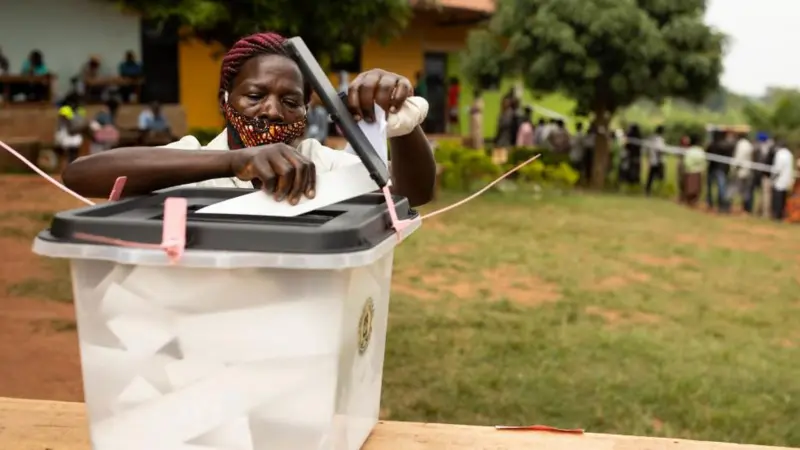
Voting will occur across three elections: presidential, parliamentary constituency, and women representatives. Over 21.6 million people are registered to vote. Polls open at 07:00 local time and close at 16:00. To win outright, a presidential candidate must secure more than 50% of the national vote. Otherwise, a run-off between the top two candidates occurs within 30 days. Historically, Museveni has always cleared the 50% threshold in the first round. The legitimacy of the result will be closely scrutinized both domestically and internationally.
What Happens After the Vote?
Results are expected by Saturday, January 17. By law, the electoral commission must declare the presidential result within 48 hours of polls closing. Counting begins immediately at each polling station, with results transmitted to a central tallying center. Given the tense atmosphere, the announcement of results is a potential flashpoint. The opposition has hinted it may not accept a result it deems fraudulent. Meanwhile, the government has warned against any protests it labels unlawful.
The long-term implications of this Uganda election are significant. A Museveni victory would entrench a regime in power since 1986. A Bobi Wine upset would represent one of the most dramatic political shifts in modern African history. Regardless of the winner, the deep societal divisions and economic challenges will remain. The new administration will need to address the legitimate grievances of a young, impatient population. The world will watch to see if this vote marks an evolution or another chapter of stagnation in Uganda’s political story.