Nigeria’s 2026 climate financing agenda has been significantly shaped by its ambitious Green Bond Initiative, a bold strategy designed to mobilize N500 billion toward sustainable development and environmental resilience. As the impacts of climate change intensify, from flooding and desertification to coastal erosion and heat waves, Nigeria is turning to innovative financing mechanisms to support green infrastructure, renewable energy, and climate‑adaptive projects. The Green Bond Initiative reflects a growing commitment by the government, private sector, and development partners to align economic growth with environmental sustainability.
Green bonds are debt securities issued to raise capital specifically for projects that deliver environmental benefits. Unlike conventional bonds, the funds raised through green bonds must be invested in initiatives that address climate change mitigation and adaptation, such as renewable energy, afforestation, clean transportation, energy efficiency upgrades, and sustainable agriculture. Nigeria’s move into this space signals both recognition of the urgent climate challenge and an attempt to broaden its financial toolkit beyond traditional public spending and foreign aid.
The N500 billion Green Bond program, announced in early 2026, builds on earlier green financing efforts and global trends that see countries, cities, and corporations raising capital through environmentally‑linked financial instruments. Nigeria’s Ministry of Finance, in collaboration with the Debt Management Office (DMO) and the Central Bank of Nigeria (CBN), structured the initiative to attract institutional investors, pension funds, and international development partners. The scale of the program underscores the government’s desire to position Nigeria as a leader in climate finance within Africa.
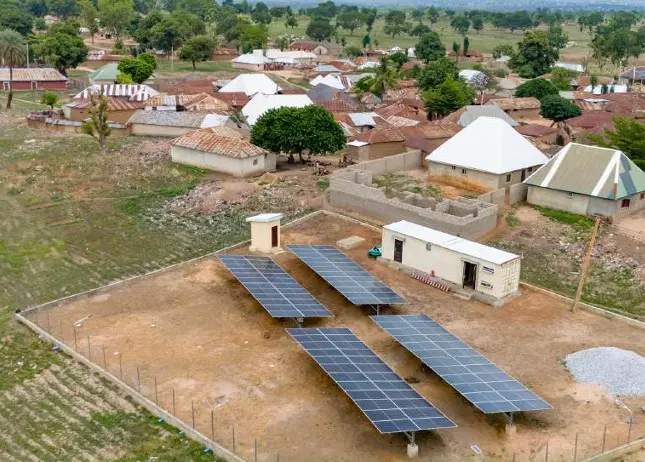
One area of focus for the Green Bond funds is renewable energy. Nigeria faces chronic energy challenges, with frequent power outages and heavy reliance on fossil fuels for electricity generation. By channeling capital into solar farms, wind projects, and mini‑grid solutions for rural communities, the Green Bond Initiative aims to expand access to reliable and clean energy. This not only contributes to emissions reduction but also stimulates job creation, supports small businesses, and improves quality of life in underserved areas.
Another major category of investment is climate‑resilient infrastructure. Nigeria’s coastal cities, such as Lagos and Port Harcourt, are increasingly vulnerable to sea level rise and flooding. Inland regions are grappling with drought and soil degradation. Green bond proceeds are being earmarked for projects such as flood‑control systems, sustainable urban drainage, reforestation efforts, and climate‑smart agricultural programs. These projects are expected to protect communities, sustain agricultural productivity, and reduce long‑term disaster costs borne by governments and households.
The initiative also places emphasis on sustainable transportation. Urban congestion and air pollution have become pressing concerns in cities such as Abuja and Lagos. Funds from the Green Bond are directed toward electric public transit systems, development of bike lanes, and incentives for cleaner vehicles. These measures are designed to reduce greenhouse gas emissions while improving urban mobility and public health.
Private sector engagement has been critical to the success of the Green Bond Initiative. Nigerian banks, asset managers, and pension funds have shown growing interest in sustainable finance, driven by both regulatory encouragement and investor demand for environmentally responsible assets. International corporations and development finance institutions have also partnered with local entities, bringing technical expertise and co‑financing arrangements that enhance the viability and scale of projects. This blend of domestic and international participation strengthens Nigeria’s financial ecosystem and helps mitigate risks for investors.
Transparency and accountability are central to the credibility of the program. To ensure that proceeds are used effectively, the Nigerian government established a Green Bond Steering Committee responsible for project selection, oversight, and impact reporting. Independent auditors and environmental experts are involved in monitoring the use of funds and verifying that financed projects meet established green criteria. Annual impact reports provide investors and the public with data on emissions reductions, energy generated from clean sources, hectares reforested, and other key performance indicators.
The Green Bond Initiative also aligns with Nigeria’s commitments under the Paris Agreement and the African Union’s Agenda 2063. By raising domestic capital for climate action, Nigeria reduces its dependence on external borrowing and conditional foreign grants. This financial autonomy supports long‑term planning and enables the country to pursue climate solutions tailored to its unique needs.
However, challenges remain. Nigeria’s broader economic environment, characterized by inflationary pressures and currency volatility, can affect investor confidence. Ensuring that green bond yields remain attractive to both local and international investors requires careful calibration of risk and return. Additionally, building capacity among project developers to design bankable, environmentally compliant proposals is an ongoing task that requires training, technical support, and institutional strengthening.
Public awareness and participation are equally important. Educating citizens about the purpose and benefits of green bonds helps build societal support for climate initiatives and encourages transparency. Local communities need to understand how proposed projects will affect their livelihoods, environment, and access to services. Open channels of communication and community engagement can foster trust and reduce resistance to change.
Despite these challenges, Nigeria’s Green Bond Initiative represents a significant step forward in climate financing. The N500 billion funding target has already catalyzed interest across multiple sectors and has the potential to unlock further investments in sustainability. Financial markets in Nigeria are becoming more attuned to environmental, social, and governance (ESG) considerations, and the green bond market could expand further as investor demand for sustainable assets grows globally.
In conclusion, Nigeria’s Green Bond Initiative in 2026 is more than a financial instrument. It is a strategic platform for advancing climate resilience, fostering sustainable development, and galvanizing public and private sector collaboration. Successfully deploying the N500 billion toward clean energy, climate‑smart infrastructure, and sustainable urban projects could yield long‑lasting benefits for Nigeria’s economy and environment. As the world grapples with climate change, Nigeria’s efforts offer an example of how emerging economies can mobilize innovative finance to address pressing environmental challenges while driving inclusive growth.