As Nigeria enters 2026, its trade sector is poised for transformation, with several key events set to shape the year ahead for businesses and investors. From new tax laws to significant global trade reviews, these moments will offer valuable insights into Nigeria’s evolving trade landscape. For investors eyeing opportunities in the Nigerian market, staying on top of these events will be crucial to making informed decisions.
January: The Year Starts with New Tax Laws and Key Deadlines
The beginning of the year will see the implementation of new tax laws across Nigeria. These changes are set to directly affect businesses, from small traders in Anambra to major shipping lines moving goods across Nigeria. Additionally, by mid-January, the Lagos Chamber of Commerce and Industry will release its economic review, offering a snapshot of what to expect for the year. Also, by the end of the month, the deadline for traders to transition to the Customs’ Authorized Economic Operator programme will test the practical impact of the promised facilitation measures.
February to March: Key Trade Reports and Global Reviews
In February, the UK will release a trade factsheet detailing its evolving relationship with Nigeria, particularly in the non-oil sector. This will be a vital read as Nigeria continues its push to expand non-oil exports. By March, the United Nations Conference on Trade and Development (UNCTAD) will release key indices measuring Nigeria’s port and liner shipping connectivity. These insights will reveal how well Nigeria’s ports are integrated into global shipping networks.
April to June: The Launch of the National Single Window and Critical Data Releases
The first quarter concludes with the launch of the National Single Window platform, which aims to streamline Nigeria’s port operations by digitalizing multiple trade agencies. If successful, this reform could revolutionize cargo clearance processes in the country. In June, the National Bureau of Statistics will release Nigeria’s first-quarter foreign trade data, providing a reality check on how the country is performing on the global trade stage.
July to September: Continued Trade Data and Tariff Effects
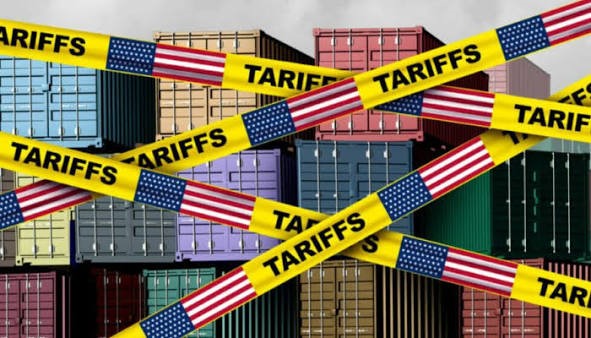
By September, the second-quarter trade data will offer a clearer picture of Nigeria’s export and import performance, revealing the early effects of any new tariffs imposed by the United States. Additionally, Nigeria will observe World Maritime Day, where the focus will be on the implementation and enforcement of maritime policies, a key area for Nigeria’s trade growth.
October to December: Year-End Reviews and Major Industry Events
As the year progresses, the annual UNCTAD Review of Maritime Transport will shed light on global shipping trends and port performance, while the Lagos International Trade Fair will bring together policymakers and trade professionals to discuss key issues. The year will conclude with final-quarter trade data, offering a comprehensive view of Nigeria’s trade performance for 2026.
2026 promises to be a pivotal year for Nigeria’s trade sector, with a series of events that will guide business and investment decisions. From tax reforms and global trade reviews to the transformative launch of the National Single Window, Nigeria’s trade landscape is set for significant changes. Investors and businesses alike should stay attuned to these developments to navigate the evolving economic environment successfully.