Nigeria stands at a pivotal moment in 2026 as it seeks to recover from persistent economic challenges and chart a path toward sustainable growth. Under President Bola Ahmed Tinubu’s leadership, the federal government has outlined a bold vision to revive the economy, enhance competitiveness, and improve the quality of life for millions of Nigerians. With strategic reforms, renewed investor confidence, and targeted policy interventions, Nigeria’s economic rebound appears increasingly possible. This article explores the key components driving this resurgence and how Tinubu’s vision is shaping the nation’s economic landscape in 2026.
When Tinubu assumed office, Nigeria’s economy was grappling with high inflation, currency instability, infrastructural deficits, and a heavy reliance on oil revenues. The impact of global market shifts and domestic structural weaknesses had slowed growth, reduced purchasing power, and constrained development. Recognizing these challenges, the Tinubu administration embarked on an ambitious reform agenda geared toward macroeconomic stabilization and diversification.
A central pillar of this vision has been fiscal discipline. The government prioritized narrowing the budget deficit, streamlining public expenditure, and strengthening revenue generation beyond oil. By implementing reforms in tax policy and enforcement, Nigeria has broadened its revenue base. Improved customs procedures and efforts to curb revenue leakages have contributed to stronger fiscal performance, which in turn support public investments in critical sectors such as infrastructure, health, and education.
Another cornerstone of Nigeria’s economic rebound is monetary stability. The Central Bank of Nigeria (CBN), working in tandem with the government, adopted measures to control inflation and stabilize the naira. Though progress has been gradual, sustained efforts to manage liquidity, enhance foreign exchange availability, and rebuild investor confidence have yielded positive results. As inflation rates eased in 2026 relative to previous years, consumer purchasing power improved, supporting higher levels of economic activity.
Diversification away from oil dependence has been a strategic focus. Agriculture, technology, manufacturing, and services sectors have received particular attention through incentives, policy support, and infrastructure investments. In the agricultural sector, targeted programs have aimed to boost productivity, improve supply chains, and expand export opportunities. By modernizing farming techniques and facilitating access to finance, Nigeria has strengthened food security and reduced import dependency.
The technology and innovation sector has also emerged as a key driver of growth. Nigeria’s tech ecosystem, one of the fastest‑growing in Africa, continues to attract venture capital and support startups focused on fintech, digital services, e‑commerce, and renewable energy solutions. Government initiatives to improve digital infrastructure and create enabling regulatory environments have further accelerated private sector engagement. These developments are not only diversifying the economy but also creating jobs—especially for young Nigerians entering the workforce.
Manufacturing has seen renewed interest as well. Policies aimed at reducing barriers to production, coupled with improved access to power and logistics infrastructure, have encouraged both local and foreign investments in manufacturing. Special economic zones and incentives for export‑oriented industries have helped position Nigeria as a competitive player in regional and global value chains.
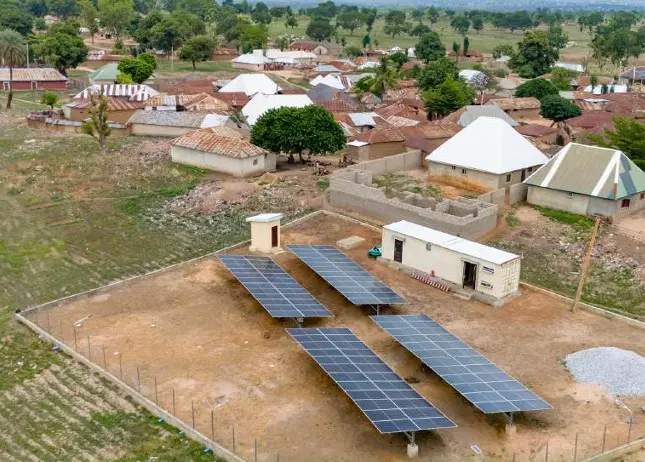
Infrastructure development remains a cornerstone of Tinubu’s economic vision. Recognizing that inadequate power supply, dilapidated roads, and insufficient transport networks hamper growth, the administration has prioritized public‑private partnerships (PPPs) to accelerate infrastructure projects. Investments in railways, ports, and energy distribution systems are designed to lower production costs, improve market access, and attract further investments. These projects also aim to stimulate economic activity in rural and underserved areas, enhancing nationwide development.
President Tinubu’s approach to economic reform also emphasizes inclusive growth. Programs aimed at supporting small and medium enterprises (SMEs), expanding financial inclusion, and enhancing vocational training are intended to ensure that more Nigerians benefit from economic progress. By providing targeted support to women entrepreneurs, youth innovators, and rural communities, the government hopes to reduce poverty and promote broad‑based prosperity.
Despite these positive strides, Nigeria’s economic recovery is not without challenges. Inflationary pressures, global economic uncertainties, and security concerns continue to test resilience. Addressing these complex issues requires sustained commitment from both government and the private sector. Strengthening governance, reducing corruption, and improving the business environment are critical for maintaining momentum and ensuring long‑term stability.
International partnerships have played a supportive role in Nigeria’s rebound. Collaboration with multilateral institutions, foreign investors, and development partners has facilitated access to finance, technical expertise, and market opportunities. These partnerships have helped Nigeria implement reforms, attract capital infusion, and expand trade relationships. Continued engagement with global partners will be vital in reinforcing confidence and advancing economic objectives.
Public sentiment in 2026 reflects cautious optimism. Many Nigerians acknowledge the tangible progress made in stabilizing the economy and creating opportunities, while also recognizing the hardships still faced by ordinary citizens. The symbolic and practical significance of improving market conditions, stabilized prices of essential goods, and visible infrastructure projects have bolstered confidence. However, the government’s ability to sustain reforms, demonstrate measurable improvements in living standards, and ensure transparency will largely determine how Nigerians perceive and support the ongoing transformation.
Looking ahead, Nigeria’s prospects hinge on building resilient institutions that can adapt to evolving economic realities. Strengthening governance frameworks, promoting private sector development, and fostering a culture of innovation remain central to long‑term success. The emphasis on diversification and inclusive growth positions Nigeria to capitalize on emerging opportunities while reducing vulnerabilities to external shocks.
In conclusion, President Tinubu’s vision for Nigeria’s economic rebound in 2026 reflects a comprehensive strategy aimed at stability, diversification, and inclusive development. Through fiscal reforms, monetary stabilization, sectoral growth initiatives, and infrastructure investments, Nigeria is laying the foundation for sustainable recovery. While challenges persist, the progress achieved so far underscores renewed confidence in the nation’s economic trajectory. If sustained, these efforts could not only restore growth but set the stage for a more prosperous and resilient Nigeria in the years to come.