The Nigeria Satellite Debt dispute has escalated after a Chinese aerospace firm warned it could deactivate Nigeria’s communications satellite if unpaid bills remain unresolved. The company responsible for managing the satellite says Nigeria’s operator owes more than $11 million in outstanding payments accumulated over several years.
China Great Wall Industry Corporation (CGWIC) issued a formal 30-day ultimatum to Nigerian Communications Satellite Limited, known as NigComSat. The firm demanded immediate payment of approximately $11.44 million or a legally binding guarantee that the debt will be settled.
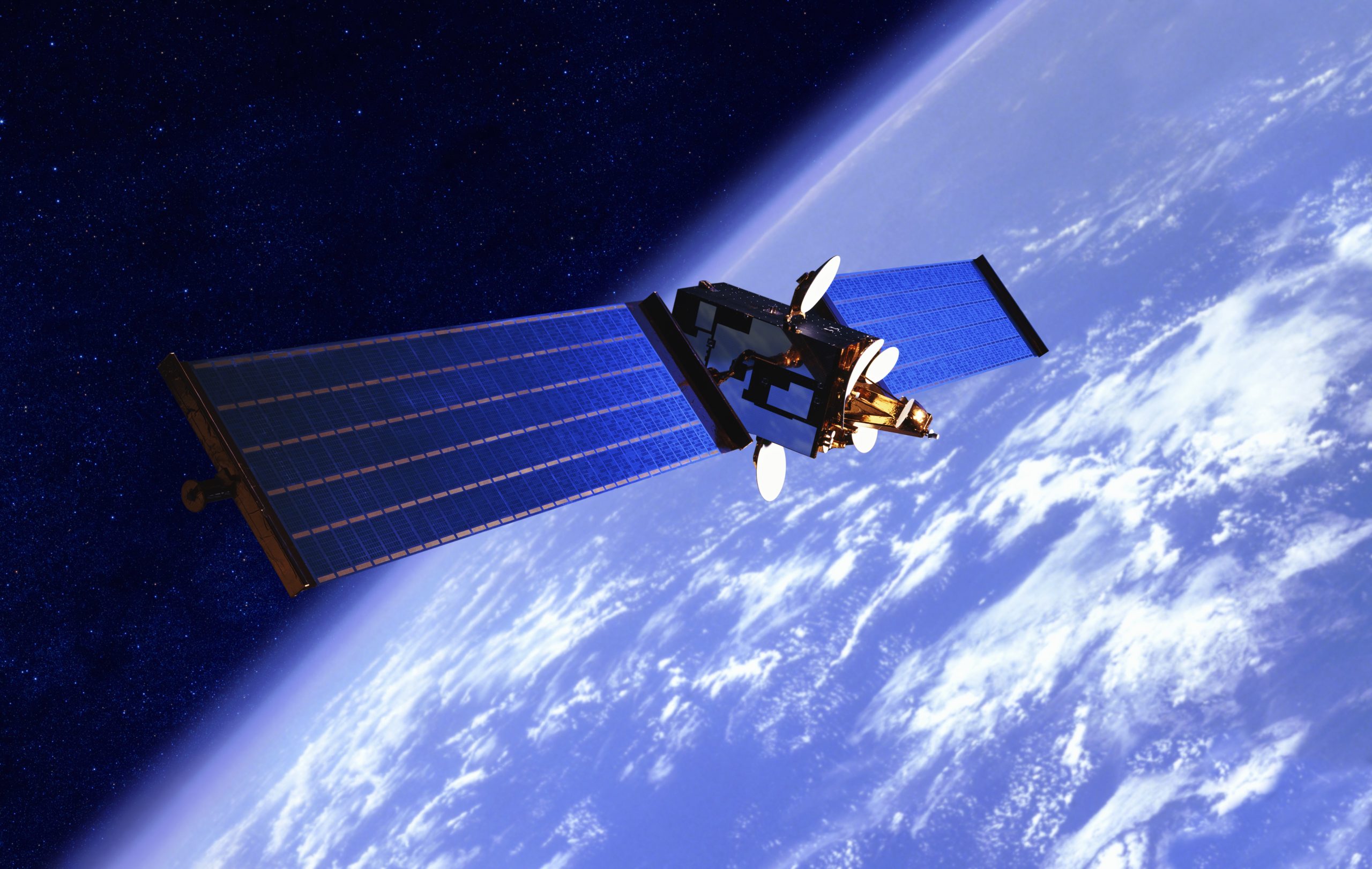
If NigComSat fails to comply within the deadline, CGWIC says it will suspend services on the active transponders of the NigComSat-1R satellite. Such a move could disrupt communications services that depend on the spacecraft.
The warning highlights the seriousness of the Nigeria Satellite Debt issue and raises concerns about the future of the country’s space infrastructure.
CGWIC conveyed the ultimatum through an official letter addressed to NigComSat’s managing director. The company also copied the communication to the President of Nigeria.
Liu Lan, CGWIC’s Director of Marketing for Africa, signed the letter. In the document, the company detailed years of unpaid service fees linked to satellite management operations.
According to the letter, the total outstanding balance stood at $11,442,335.89 as of December 31, 2025. CGWIC explained that the amount already reflects deductions for services the Nigerian company received.
Despite these adjustments, the debt remains unresolved.
The letter also noted that CGWIC has continued to provide essential Telemetry, Tracking and Command services for the satellite from its facility in Kashi, China. These services allow operators to monitor the spacecraft, maintain its orbital position, and control its systems.
However, CGWIC says NigComSat has not made any payments since 2019.
The Chinese firm stated that it delayed formal debt collection for several years in order to keep Nigeria’s satellite operational. Nevertheless, internal financial pressure now forces the company to demand immediate resolution of the Nigeria Satellite Debt.
CGWIC also warned that it cannot guarantee the performance of the NigComSat-1R payload if payments remain outstanding.
In addition, the company asked NigComSat to notify its customers about the situation. The warning indicates that potential service interruptions could affect businesses and organizations relying on the satellite.
The Nigeria Satellite Debt dispute has deep roots in technical and operational challenges that began years earlier.
Nigeria launched its first communications satellite, NigComSat-1, in May 2007. The spacecraft cost approximately $400 million and was designed and built by CGWIC.
However, a power system fault forced operators to deorbit the satellite in November 2008. Nigeria later replaced it with NigComSat-1R in December 2011, again built by the same Chinese manufacturer.
The replacement satellite carries an expected operational lifespan of about fifteen years. Based on that timeline, NigComSat-1R is scheduled for deorbiting around 2027.
Under the original arrangement, CGWIC charged about $350,000 annually to manage the satellite from its Kashi facility on a standby basis.
However, circumstances changed dramatically in 2019 when Nigeria’s ground control station in Abuja stopped functioning.
A thunderstorm severely damaged the facility, preventing engineers from issuing commands to the satellite. Without a functioning control station, NigComSat risked losing control of the spacecraft.
At that moment, CGWIC intervened to prevent a potential crisis in orbit.
Engineers in Kashi took over primary control of NigComSat-1R. Without that intervention, experts say the satellite could have drifted away from its designated orbital slot at 42.5 degrees.
Such a drift could have triggered dangerous collisions with other satellites.
Following the emergency intervention, NigComSat entered into a management agreement with CGWIC. The contract required the Nigerian company to pay roughly $1.6 million per year for operational control services.
Since then, engineers in China have managed the satellite continuously because the Abuja ground station remains inactive.
As a result, unpaid management fees accumulated steadily over several years. By late 2025, the outstanding Nigeria Satellite Debt had reached more than $11 million.
Internal documents reveal that NigComSat leadership previously acknowledged the difficulties.
In a 2021 letter to CGWIC, former managing director Abimbola Alale explained that financial constraints prevented repairs to the Abuja control station.
She wrote that the thunderstorm damage occurred shortly before the global pandemic disrupted repair plans. Consequently, the company struggled to fund the recovery and upgrade of the facility.
Although NigComSat expressed commitment to restoring the ground station, the situation has remained unchanged.
Five years after that correspondence, the control station in Abuja still does not operate fully. Meanwhile, the Nigeria Satellite Debt continues to grow.
Industry insiders say the debt now exceeds N16 billion when converted into local currency.
The dispute raises broader questions about Nigeria’s space ambitions. The country began developing its satellite program more than two decades ago as part of a strategy to expand telecommunications, broadcasting, and data services.
However, the current situation suggests that key operational infrastructure remains vulnerable.
If CGWIC follows through with its threat to suspend services, NigComSat-1R could face serious operational risks. Commercial users of the satellite may also suffer service interruptions.
Furthermore, affected companies might pursue legal action against the Nigerian satellite operator if disruptions occur.
Such developments could damage Nigeria’s reputation within the global space industry.
When reporters contacted NigComSat’s current managing director, Jane Egerton-Idehen, she declined to comment on the matter.
She said the issue was already in the public domain and did not require further response.
Nevertheless, the Nigeria Satellite Debt dispute now places Nigeria’s only operational communications satellite under significant pressure. Unless the parties reach a financial settlement soon, the country could face the possibility of losing control of a critical national space asset.